Getting and sharing the facts about COVID-19, trusting science can help turn the tide for pandemic-strapped communities of color
COVID-19 has killed more than 230,000 people in the U.S., and the death toll continues to rise at a rate of about 1,000 per day.
We know, however, that families and communities don’t count their losses in thousands or hundreds; they count them one-by-one – a father, a teacher, a sister, a friend, a nurse, a son, a Tribal elder, a church member. And these losses hurt.
But some communities feel the impact of COVID-19 more than others. Latinos, along with African Americans and American Indians, account for more than half of all COVID-related cases, even though they represent just a third of the population.
According to the Centers for Disease Control and Prevention (CDC), these groups require hospitalization at a rate about five times higher than whites, due to the severity of their illnesses or lack of early access to health care.
And the mortality outcomes reflect this as well: Latinos and American Indians die at 1.5 times the rate of whites, and African Americans, at 2.4 times the rate.
As scientists and NIH colleagues with more than 60 years of combined research experience in health disparities, we are not surprised by these discouraging statistics.
But these awful numbers also feel deeply personal: they represent our friends, our family, our loved ones, too, as our roots are in these very communities—Philadelphia’s African American neighborhoods, Miami’s Cuban immigrant diaspora.
COVID-19, the disease caused by the novel coronavirus SARS-CoV-2, has simply shone a spotlight on health disparities that have long affected underrepresented communities like ours.
We know, for example, that obesity, diabetes, and heart disease are more prevalent among people of color. If you have any of these conditions and contract COVID-19 you run a much higher risk for severe complications and death.
But biology and behavior are just part of the picture. Where we work, whether we have access to quality health care, what we eat, and other socio-economic conditions also drive health disparities.
As we grapple with the effects of these health inequities on our daily lives, we can
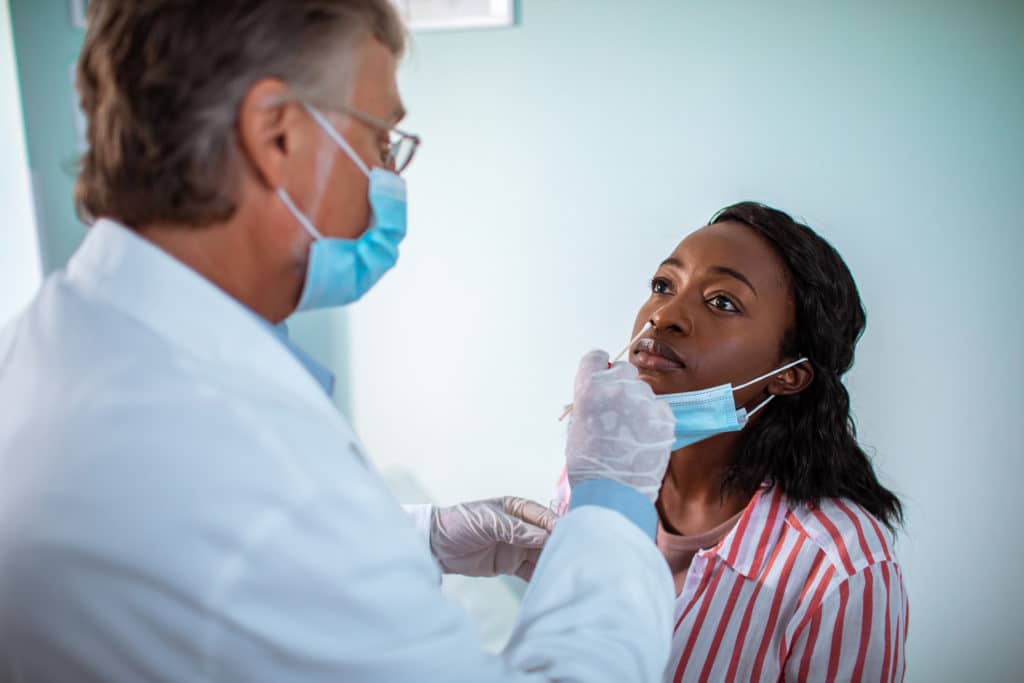
take simple public health measures to help prevent the immediate spread of this disease, starting with wearing a mask, washing our hands, and maintaining six feet of distance from others. But that won’t be enough to end the pandemic in communities of color.
As the leaders of two public health research agencies, we know we can’t just devise solutions from Washington, D.C. We must also work with those who are most trusted, respected, and closest to these hard-hit communities.
Through joint local efforts, we believe we can ensure that the best, most accurate information reaches these communities, and that they are informed about, and included in, diverse research studies essential for developing safe, effective treatments, and vaccines for all.
That is why the National Institutes of Health (NIH) has issued a $12 million award to support teams in 11 states to establish the Community Engagement Alliance (CEAL) Against COVID-19 Disparities.
This Alliance has already brought together community- and faith-based organizations, doctors, patients, researchers, community advocates and minority-serving educational institutions.
For weeks, from Sacramento, California to Jackson, Mississippi, we have been listening carefully—to concerns, fears, very practical questions, and ideas.
Our sincere hope is that, working together, we will find ways to overcome COVID-19 in a manner that takes into account the history, cultural differences, and unique input and needs of the people it affects most.
How do we do this? We start by offering reliable and easily understood information based on science, by dispelling myths, and by explaining the importance of research.
CEAL is working with trusted members in communities like yours to ensure access to information that can be shared through virtual town halls, infographics, animated videos, and in many other ways – like social media posts.
Importantly, we also will be encouraging participation in research studies designed to stamp out COVID-19 in high-risk communities.
That’s because clinical trials, the fundamental part of the scientific process, show whether new medicines and vaccines are effective at protecting you against disease.
When a drug gets approved and your doctor prescribes it for you, you are not wrong to wonder
whether it has been tested and shown to work — and especially shown to work for people like you.
This is why it is so important for research studies to include people from all races, genders, ages, socio-economic classes and more.
We simply need to learn who is likely to benefit the most from any given treatment. In other words, we can’t develop effective drugs and vaccines to conquer COVID-19 in communities of color without the active participation of the people who live there.
We strongly believe that when done right, inclusive research leads to solutions that get us where we need to be. We already have safeguards in place to ensure historic wrongs are not repeated, and that safe and ethical standards are practiced consistently.
The Food and Drug Administration, review boards, and expert panels at the NIH—indeed, each institution and company conducting medical research—rigorously review every phase of a clinical trial, from before it begins until after it ends.
These review boards include not just scientists, doctors, and experts, but also community advocates who keep a watchful eye on the process.
While these factors are critical to ending this public health emergency, we must keep our eyes on an even bigger prize—a nation without the disturbing health inequities that compromise the health of our whole society.
As clinicians who have cared for countless patients of color, as mentors who have supported underrepresented groups, and as members of communities where each one teaches one, we fully understand the power of community to make a difference in the long fight against this conquerable problem.
We firmly believe that by traveling this journey together—by sharing sound information, by squashing misinformation, by being responsible citizens and building trust in science—we can push this deadly pandemic into retreat.
Hopefully when that happens, we can embark on a path of inclusion that gives everyone in America a fighting chance for a long and healthy life.
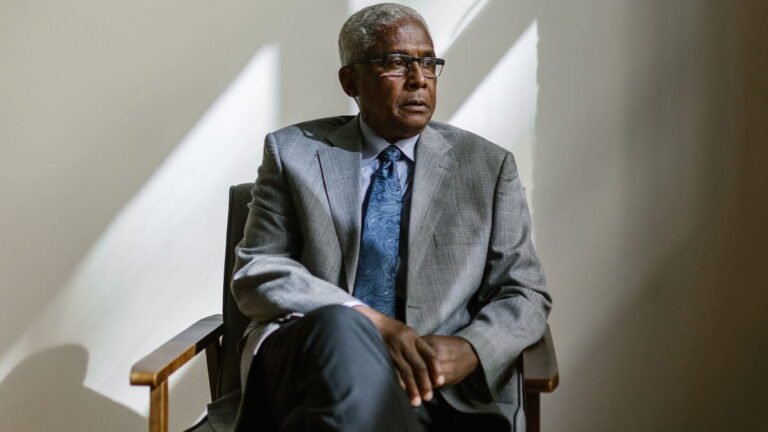
Gary H. Gibbons, M.D., Director National Heart, Lung, and Blood Institute

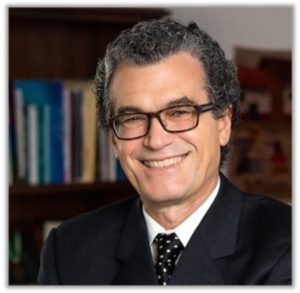
Eliseo J. Pérez-Stable, M.D., Director National Institute on Minority Health and Health Disparities


By subscribing, you consent to receive emails from BlackDoctor.com. You may unsubscribe at any time. Privacy Policy & Terms of Service.