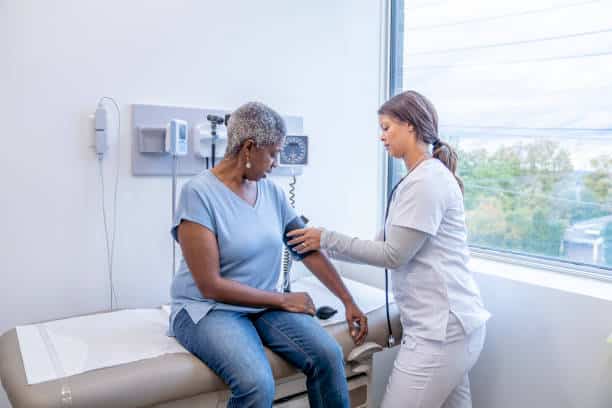
High blood pressure, or hypertension, is often referred to as a “silent killer” due to its lack of noticeable symptoms until it reaches a dangerous level. This condition disproportionately affects the Black community, making awareness and education crucial.
Cardiologist Mary Branch, a fourth-generation physician and the first Black female to have a Cardiovascular Disease fellowship from Wake Forest Baptist Medical Center, has overcome significant challenges, including systemic racism and the rigors of medical training. She now serves as a beacon of inspiration for many aspiring medical professionals. BlackDoctor.org spoke with Dr. Branch about what Black Americans need to know about high blood pressure and the importance of early detection and lifestyle changes.
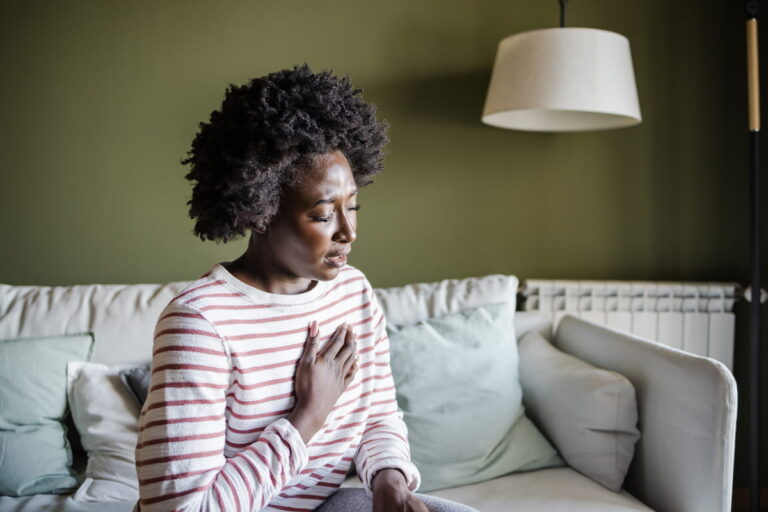
Headaches, blurred vision, chest pain, and nausea can all be signs that your blood pressure is high. However, in most cases, hypertension presents no symptoms, earning it the nickname “the silent killer.”
“Some people will feel it, but you don’t usually feel it until your blood pressure is around 180 over 90, and at that point, you’re at risk for a stroke. That’s too late in terms of identifying whether you have hypertension or not. It’s known as a silent killer because you can have uncontrolled high blood pressure for a long time, which can impact your heart and put you at risk for stroke and heart failure, and you just might not know it,” Dr. Branch says.
Genetics also play a significant role in high blood pressure. While no single gene has been found to correlate with hypertension, certain genetic factors may make it more difficult to regulate blood pressure.
Several factors contribute to high blood pressure, including:
Early detection of hypertension is vital in preventing long-term health complications. “Uncontrolled high blood pressure can lead to various health issues within the cardiovascular system and kidney disease. What I really want to emphasize is that we’re seeing this in younger people, in their 30s and 40s. Some people think these are issues they won’t have to deal with until their 60s, so they wait to see a doctor until they’re 50, but that’s too late. We’re seeing a lot of disease in young people. I would recommend starting to check your blood pressure in your 20s to know if you’re at risk. Let your doctor know if you notice your blood pressure is getting higher, especially if you have a family history of kidney disease or stroke,” Dr. Branch advises.
Steps for Effective Monitoring:
High blood pressure can lead to serious health complications, including:
“High blood pressure can lead to a brain bleed, which can be very devastating and often fatal. If you have high blood pressure for a long time, your heart is pumping against high pressure, which can make the heart weaker and lead to heart failure,” Dr. Branch notes. “If your heart fails, you can feel short of breath, experience swelling in your legs, or feel congestion in your lungs because the heart isn’t pumping effectively. This can lead to earlier heart failure. There’s no cure once you develop it, though medications can help manage it.”
High blood pressure can also lead to kidney disease, which impacts the filtering function of the kidneys and may eventually require dialysis.
“Dialysis involves going for treatment three times a week, sitting there for several hours each time as blood flows in and out of your body. This puts you at risk for infections and other complications,” Dr. Branch adds.
The damage to your kidneys may also require a kidney transplant, which poses its own set of challenges for our community.
“There are options for kidney transplants, but it’s often harder within our communities to get the transplant rates we’d like to see,” Dr. Branch says.
Fortunately, adopting a healthy lifestyle can significantly reduce the risk of developing hypertension and help manage it if already diagnosed. Dr. Branch suggests:
“One thing you can do, even if you have it in your family, is to not just say, ‘Well, my family has it, there’s nothing I can do.’ They’ve looked at studies on lifestyle and genetics and found that if you have a good lifestyle, you can offset the genetics,” Dr. Branch notes. “For one, a healthy lifestyle can help offset whatever genetic predispositions you have for high blood pressure and hypertension.”
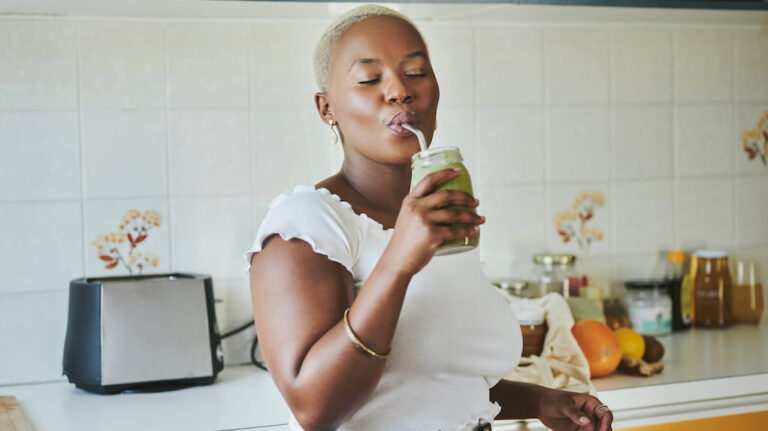
“Data supports more of a plant-based diet for heart health. You should try to eat more lean meats, vegetables, and protein, and avoid red meats, fried food, and fatty foods. Focus on things like egg whites, fruits, and vegetables. It’s also important to make it taste good. Lean away from red meat and opt for options like tuna or salmon,” she adds.
If you need further help, tracking your food intake can be helpful. Apps like MyFitnessPal can be useful.
“These apps allow you to type in the food you’re eating and will tell you if it’s good or not. It helps gauge how much food you’re actually consuming. I was surprised when I gained like 20 pounds while working and felt like I wasn’t eating much. When I started tracking my food, I realized I was consuming a lot of sugar and calories. Changing to foods with more variation in colors and more green foods with less sugar helped me maintain weight loss,” Dr. Branch shares.
“Exercise is key. Being active, even if it’s just five minutes a day, helps get your heart rate up. This can significantly help lower your blood pressure,” Dr. Branch adds.
Engage in activities that reduce stress, such as meditation, yoga, or hobbies.
Losing excess weight can greatly improve blood pressure levels.
Sleep apnea, common in the Black community, can contribute to high blood pressure. Signs include loud snoring or stopping breathing during sleep. A sleep study can help diagnose and manage this condition.
RELATED: How to get an Accurate Blood Pressure Reading at Home
If diagnosed with hypertension, your doctor may start you on medication. Initially, frequent blood pressure checks are essential to monitor the medication’s effectiveness. “For the first two weeks of new medication, check your blood pressure daily. Once stable, weekly checks are usually sufficient,” Dr. Branch recommends.
Making lifestyle changes and adhering to medication can potentially reverse high blood pressure, especially in younger individuals.
“The biggest thing is weight loss. When people lose a good amount of weight, it can certainly contribute to reducing high blood pressure. If you get your weight down by losing 25 pounds, then you can start to scale back on blood pressure medications and see how you do. If you’re doing that and want to check your blood pressure off the medications, you need to let your doctor know,” Dr. Branch shares. “You could say, ‘Hey, I checked for two weeks, I’ve lost some weight, and I would like to try to scale back on my blood pressure medication.’ Typically, they will be open to cutting back and seeing how you do, but everyone’s different. It may take some initiative on the patient’s side to try to scale back on the medications, but again, it takes that work to completely change your lifestyle, not just your diet, but also how you live.”


By subscribing, you consent to receive emails from BlackDoctor.com. You may unsubscribe at any time. Privacy Policy & Terms of Service.