
On November 24, 2014 a grand jury in Ferguson, Missouri failed to bring an indictment against Ferguson police officer Darren Wilson for killing 18-year-old Michael Brown. The following week on December 3, 2014 a grand jury in Staten Island, New York also failed to indict NYPD police officer Daniel Pantaleo for the death of Eric Garner, 43, a man killed on July 17th while Pantaleo attempted to arrest him using a controversial chokehold technique prohibited by the New York Police Department. Both grand jury decisions set off protests and ignited racial tension throughout the country and world.
These incidents have highlighted the disparate treatment of ethnic minorities, particularly African American men, by law enforcement. People of all races and nationalities have been crying out against the diminished value the judicial system seems to place on the lives of minorities versus the lives of the majority population. Continued exposure to incidents of police brutality and social injustice leave many people to experience symptoms of trauma and post-traumatic stress.
Individuals begin to feel as though their lives have less value simply because of their race, gender or ethnicity and subsequently experience feelings of helplessness and hopelessness, shock, anger, sadness, disbelief, aggressiveness, anxiety and fear.
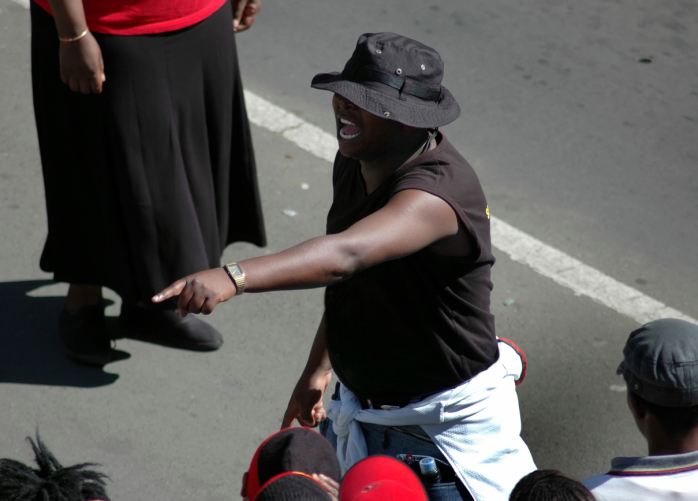
In response to these triggered emotions, Americans mobilized into organized ad-hoc groups across the country to demonstrate their displeasure with the judicial system. While most have been peaceful, some have questioned the effectiveness of these “die-in” protest marches and have difficulty understanding their purpose.
In addition to being a catalyst for societal change, there are therapeutic benefits collective protesting can provide to those exercising their first amendment rights:
When faced with systemic injustices, people often find it difficult to identify a place for them to personally make a difference. By aligning with others and allowing opportunities for self-expression, relationships are built and opportunities for learning are created; people begin to come out of their anger and into their purpose.
Protesting does not change the system, however it does bring attention to injustice and provides an incentive for collective action toward ensuring that all lives matter in this country.
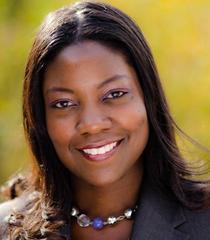
Cheryl Donald, LMFT, MBA is a Federal public health official and licensed psychotherapist and Federal public health official with a private practice in Brooklyn, NY. Ms. Donald specializes in the treatment of depression, anxiety, trauma, & relationship difficulties; follow her on Twitter @BrooklynMFT and like her Facebook page at http://www.facebook.com/BrooklynMFT.


By subscribing, you consent to receive emails from BlackDoctor.com. You may unsubscribe at any time. Privacy Policy & Terms of Service.














