Menopause is high on the list of unavoidable life changes that women will go through. If you’re getting older, it’s important to know what signs to look for and how to deal with them well. With the right information, you’ll be able to manage the changes and continue with your daily life.
The signs of menopause can vary from one person to the other. Some women have reported much milder symptoms than others. With that said, typical signs of menopause include:
The first sign most women notice is the change in their menstrual cycle. For those who already had an irregular cycle, it might take the onset of other symptoms to highlight the possibility of menopause’s onset.
Regardless of which symptoms women experience, they usually level out over time. Unfortunately, the same can’t be said for African American women. According to recent studies, black women are more likely to experience stronger symptoms of menopause. Additionally, their symptoms have been shown to worsen as they age.
For African American women who are experiencing menopause because of a hysterectomy, the news is just as discouraging. While some women may experience an ease in their symptoms with hormone replacement therapy, women of color reported no such change. Studies also show that black women spend much longer in the transitional phase than others.
Recent statistics show that the average age of menopause for African American women in the United States is 49 years old. This is 2 years younger than the general average. Even so, menopause can set in much earlier. Anyone who experiences menopausal symptoms before the age of 40 is said to be in early menopause.
The symptoms of early menopause are
similar to that of the regular one with a few additions. During early menopause, women may experience:
Persons who have undergone chemotherapy treatments or a hysterectomy can expect early menopause. However, the early onset of symptoms can also be caused by lupus, Grave’s disease, and certain autoimmune diseases.
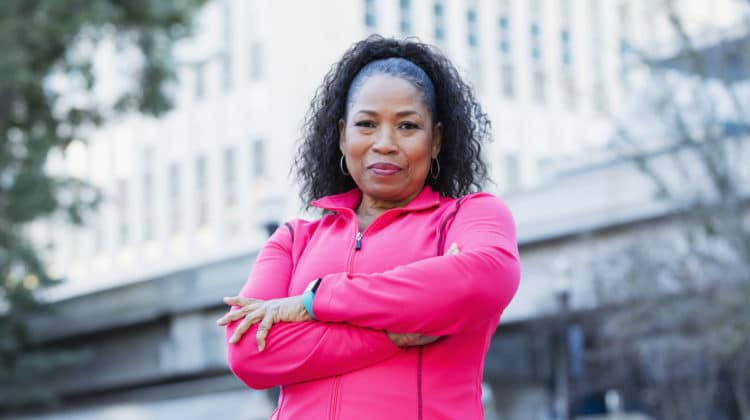
If you’ve started to transition into menopause, there are a few tricks that can help to make things easier. For example, keeping track of what sets off your hot flashes and headaches can make it easier to cut triggers out of your routine.
Since hot flashes can be longer and worse at night, putting on light clothing or keeping a bag of frozen peas under your pillow can help you get a good night’s sleep.
Some health professionals also suggest looking into natural therapies that can ease the discomfort from hot flashes. These therapies can include consuming foods such as soy, tofu, tempeh, wild yam, and valerian root.
Physical activity can help to boost your mood and increase your chances of sleeping well. If mood swings are becoming a bother, studies show that meditating or doing yoga and tai chi can help. To deal with the changes in your hair and skin, spruce up your beauty care products. It’s time to look for products that will moisturize and protect you.
In some cases, women can experience trouble concentrating. To combat that, find activities that stimulate your brain such as games or learning a new language. Some symptoms of menopause like vaginal dryness and depression may need your doctor’s intervention. If you’ve tried to handle your symptoms on your own without any relief, it’s best to see what your doctor recommends.
While menopause happens to all women eventually, it doesn’t mean you can’t learn a few ways to make the transition easier. It’s also important to note that women who are experiencing menopause need to see the doctor more often as they’re more at risk for osteoporosis, gum disease, and ovarian cancer.

By subscribing, you consent to receive emails from BlackDoctor.com. You may unsubscribe at any time. Privacy Policy & Terms of Service.