
The worst of menopause can strike when you least expect it. You’re sitting there, doing nothing in particular, and then all of a sudden, your body turns into a furnace! Your face flushes, your heart races, and suddenly your clothes feel soaked.
Here’s the good news: you’re not alone. About 75% of women experience the vasomotor symptoms of hot flashes and night sweats, and for many, these episodes seem to come out of nowhere. Which is why they’re so troublesome. They can disrupt your sleep, hurt your work, and even strain your relationships, making you feel like you’re trapped in your own skin.
Fortunately, you don’t need to rely solely on drugs, like prescription hormones, if you don’t want to. There are plenty of safe, evidence-informed natural strategies that can help. Based on research from the National Center for Complementary and Integrative Health (NCCIH), many treatment approaches are helping menopausal women everywhere.
And these aren’t quick fixes or wishful thinking. They’re real remedies that address some of the main drivers of your menopause symptoms. They address your hormone shifts, help with your overactive nervous system, and keep you from being so sensitive to temperatures.
What’s better than that?
Let’s uncover all the tools you need to turn down the temps on your menopause…
RELATED: 10 Ways Black Women Can Sleep Better with Hot Flashes
These well-studied botanicals are great for directly cooling vasomotor symptoms, while also supporting overall menopausal comfort. The first is black cohosh, a root extract that helps regulate temperature and reduce hot-flash frequency. In fact, many standardized extracts, particularly those approved in Europe, are associated with meaningful reductions in vasomotor symptoms compared with placebo.
It’s all about the proper dosing and the best products. For starters, consider brands like Nature’s Bounty, Nature’s Way, and Gaia Herbs. Typically, you want to take 40 mg per day of a standardized extract, which is often labeled as 2.5–5% triterpene glycosides. Just ensure you take it with food once per day, in the evening or the morning. Give it eight to 12 weeks before assessing the full benefit, although you’ll likely notice milder hot flashes by weeks four to six.
In most cases, don’t take longer than 12 months unless your doctor advises otherwise. Mild side effects like an upset stomach or headache are uncommon, but can occur, as can potential issues with the liver if taken for a very long time. As always, stay in touch with your healthcare provider throughout.
Black cohosh alone is effective, but when paired with pycnogenol, which is a French maritime pine bark extract, women report even greater relief.
This potent antioxidant is very promising based on multiple randomized trials. At 100 mg daily, women often see climacteric symptom scores drop dramatically. In other words, the severity of their menopausal symptoms lessens. And this isn’t just night sweats and hot flashes. We’re talking about sleep quality, mood swings, joint issues, and more. Lower doses of 60 mg and higher doses of 200 mg have also been linked to marked improvements.
Start with 100 mg daily, split into 50 mg twice with meals, for the first four weeks. After that, maintain 100-200 mg per day, based on how you respond. The benefits will build and continue through eight weeks, usually with little to no side effects.
To combine pycnogenol with black cohosh, first check with your doctor, especially if you have liver issues or take particular medications. Many women pair 40 mg of black cohosh with 100 mg of for increased benefits. You should notice peak effects within eight to 12 weeks, but it’s always a good idea to track symptoms in a daily journal.
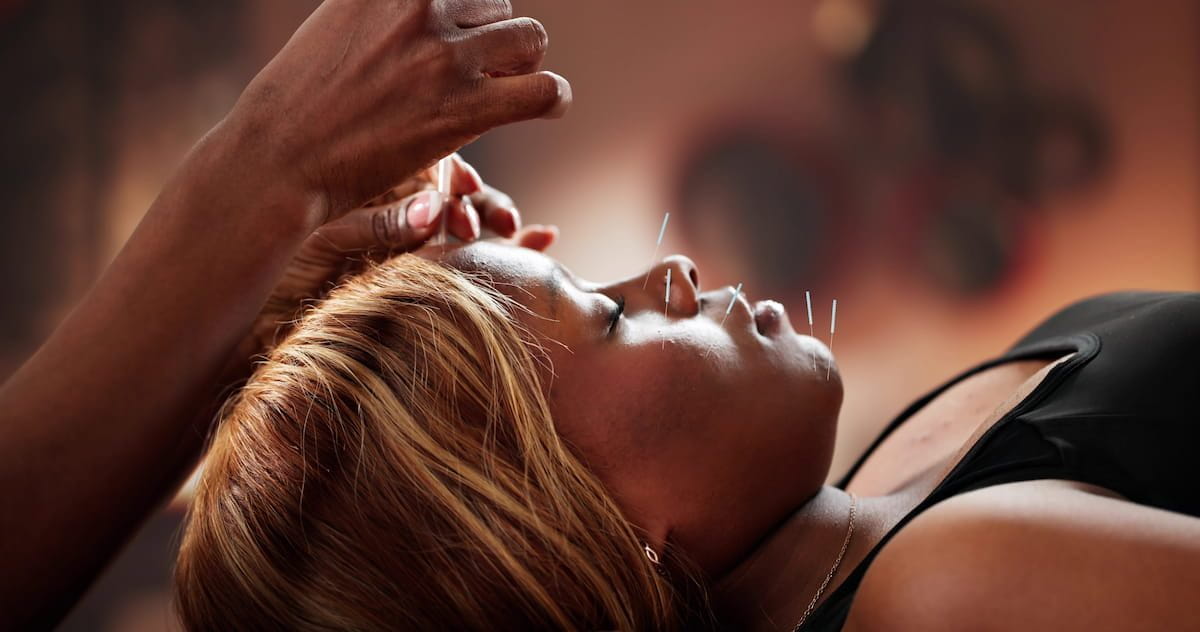
Acupuncture works by modulating the autonomic nervous system, calming the hypothalamus, and reducing central sensitization linked to hot flashes. What this means, in plain terms, is that acupuncture directly affects critical brain regions responsible for menopausal symptoms. According to the NCCIH, acupuncture often outperforms self-care alone, and benefits can last months after you stop treatment. Sometimes, significant results occur after just a few sessions!
To get started, first seek a licensed acupuncturist experienced in women’s health. The typical course will include eight to 12 sessions over six to eight weeks, followed by maintenance sessions as needed. Professional acupuncturists target specific points on your body, from the inner thigh to the inner ankle, the crown of the head, your ears, and beyond.
Many women feel cooler and sleep better after just three to four sessions.
But of course, you don’t need to go to a specialist to enjoy the benefits. You can do self-acupressure anytime, anywhere. To do this, press firmly but gently (with a thumb or finger) for one to two minutes per point, breathing slowly. Repeat it two or three times per day or at the first sign of a flash.
Not sure where to begin? There are four main points to target. First, the SP6, which is three to four finger-widths above the inner ankle bone. Then, the KD3, which is the depression between your inner ankle bone and Achilles tendon. Next, the HT6, on the inner wrist just above the wrist crease toward the pinky. And finally, the DU20, which is the top of your head, midway between the ears.
Apps like MeTime for Acupressure and Acupressure: Heal Yourself can help if you’re still not sure.
If you do this weekly and combine it with acupuncture, you will get the fastest, most significant relief possible.
RELATED: 4 Natural Remedies for Hot Flashes
Breathing is also important, and is one of the simplest, most powerful non-drug interventions. How does it work? Well, to put it simply, breathing activates the parasympathetic “rest-and-digest” system. This keeps your nervous system from going into overdrive, which is a great way to reduce hot flash intensity.
Clinical trials have even shown an over-50% reduction when practiced consistently.
To begin, sit or lie comfortably and place one hand on your belly. Then, inhale slowly through your nose for a count of four or five, with belly rises. Slowly exhale through your mouth or nose for a 6-8 count, with your belly falling.
Overall, aim for six breaths per minute, which comes out to roughly 10-second cycles.
If you practice 15 minutes once or twice daily, in the morning and before bed, you’ll definitely notice a difference. There are plenty of free apps and YouTube guides for “paced breathing menopause” that can assist.
And, if you’re suddenly experiencing a hot flash, switch immediately to this pattern for two to five minutes. This can help reduce the intensity of the flash while reducing its duration. In the long run, you’ll enjoy better sleep, less anxiety, and an improved mood.
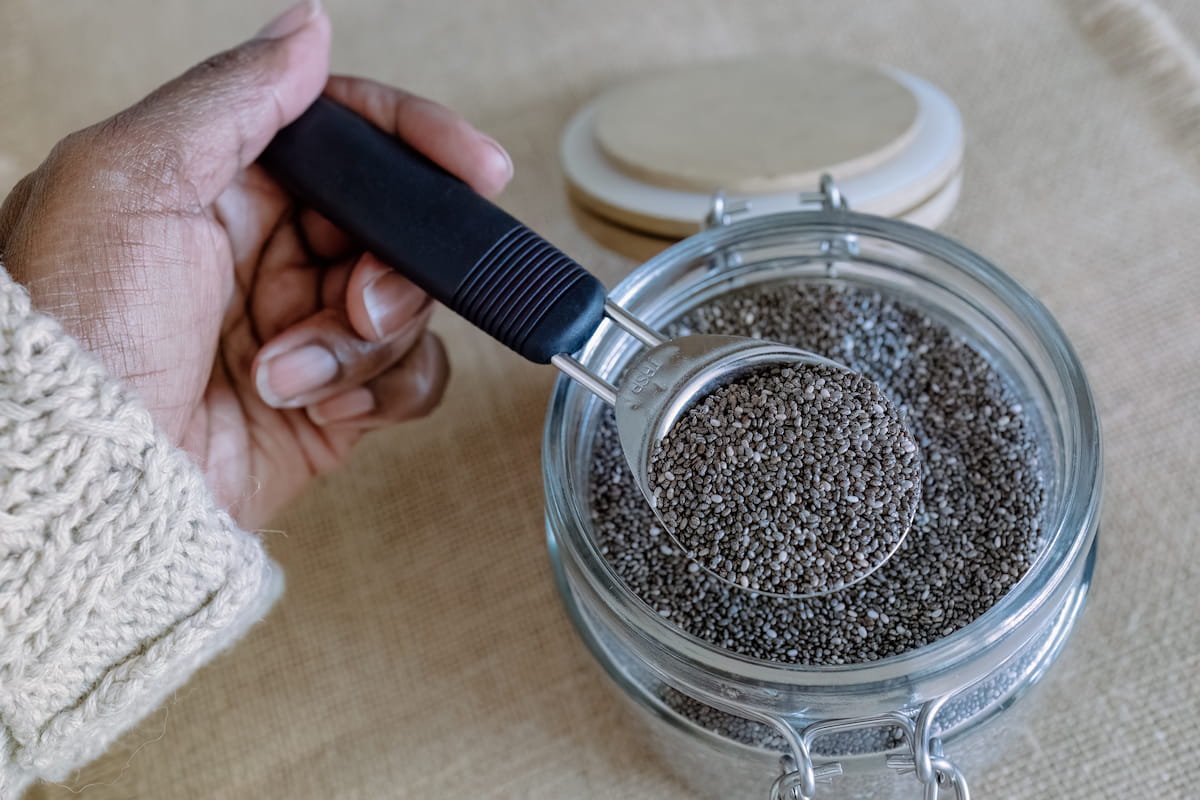
All this talk of supplements, acupuncture, and breathing, but what about regular food? Turns out, plant compounds, such as isoflavones and lignans, are known to gently support estrogen receptors. They also come without the risks of synthetic hormones.
So, consider a daily flaxseed protocol.
All it takes is 25–40 grams of ground flaxseed, which is about two to four tablespoons per day. Just make sure they’re freshly ground for the most potency. You can use a coffee grinder to do this, and once ground, stir them into your chosen food. Whether it’s oatmeal, yogurt, smoothies, or baked into muffins, flaxseed is quite versatile.
Women using this protocol usually experience drops in hot flash frequency and intensity after six to 12 weeks. Some studies have even found benefits comparable to those of low-dose estrogen, which is pretty impressive!
Aside from flaxseed, you can try other phytoestrogen powerhouses. For instance, aim to include one to two servings of soy foods daily. This can be anything from tofu to tempeh, edamame, or unsweetened soy milk.
Other good sources include chickpeas, lentils, sesame seeds, apples, and carrots. Whatever you choose, don’t rush it. Start gradually to aid digestive adjustment, and always drink plenty of water.
These foods aren’t just great for menopause symptoms. They also support heart health, bone density, and gut microbiome.
Sometimes, we all could use a little therapy. There’s no shame in seeking professional support, and with cognitive-behavioral therapy (CBT), it’s more than simply ‘thinking positive.’ What you’re actually doing is rewiring your brain to interpret and respond to hot flashes differently, which can dramatically reduce their emotional and functional impact.
Believe it or not, the North American Menopause Society guidelines endorse CBT as a first-line non-hormonal option. As a result of this therapy, women are less bothered by menopausal symptoms and report better sleep, mood, and overall quality of life.
You have two main options. (1) You can choose to do four to six sessions with a menopause-trained therapist in-person or virtual; or (2) you can use validated self-help, whether it’s books like “Managing Hot Flushes and Night Sweats: A Cognitive Behavioural Self-Help Guide” or structured online programs.
You won’t regret giving it a go.
Because that’s what it’s all about. Being honest, being optimistic, and applying science-backed strategies that work. You may have heard the saying, cooler heads prevail. Well, by implementing the various approaches detailed in this article, you’ll find out just how true that statement is!


By subscribing, you consent to receive emails from BlackDoctor.com. You may unsubscribe at any time. Privacy Policy & Terms of Service.