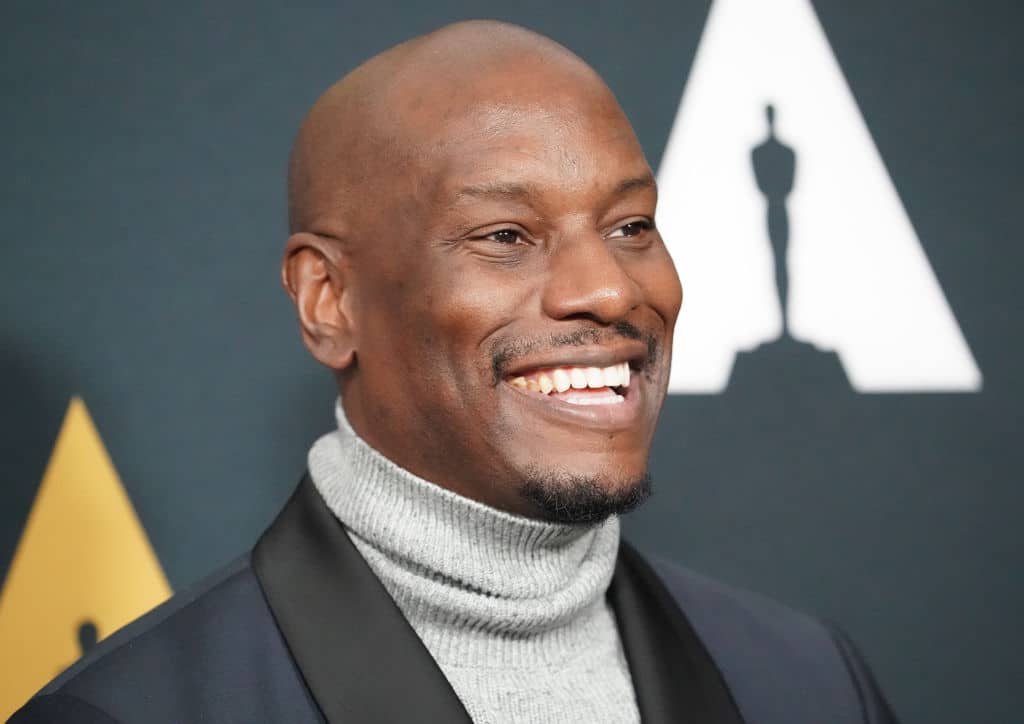
 (Photo by Rachel Luna/Getty Images)
As a guest on TV One’s Uncensored, singer and actor Tyrese opened up about the trauma he faced growing up due to the jokes about skin tone throughout his childhood.
The actor runs down a list of names he was called for being dark-skinned. There are probably names you have heard of them before. Everything from:
What Tyrese describes is colorism.
In her 1983 book, In Search of our Mothers’ Gardens, famed writer, Alice Walker defined colorism as “prejudicial or preferential treatment of same-race people based solely on their color.”
Light-skin preference had been common practice in the black community for generations, but Walker gave it a name and marked it as an evil that must be stopped in order for African Americans to progress as a people.
Colorism actually shows up in even more deeply-rooted ways: the difference in pay rates between darker-skinned and lighter-skinned men mirrors the differences in pay between whites and blacks.
Darker-skinned women are given longer prison sentences than their light-skinned counterparts. And this discrimination starts young – if you are a dark-skinned girl, you are three times more likely to be suspended from school than your light-skinned peers.
“I had never felt a piece of handsome, I had never felt a piece of being cute. I have never heard compliments throughout my childhood. I never got any attention from the ladies,” he revealed.
“I caught every joke in the dark skin community ever. I was Black, burnt, tarp. I was all teeth and eyes. I was ‘blurple’, black and purple. I just never felt attractive, ever.”
Colorism even affects how we are remembered. Lighter-skinned black people are perceived to be more intelligent.
Educated black people, regardless of their actual skin color, are remembered by job interviewers as having lighter skin.
The daily toll of living with colorism can be hard. Darker-skinned people report higher experiences of microaggressions; heavier-set dark-skinned men report the highest levels of microaggressions.
All of this affects our mental health and wellbeing. Darker-skinned black women report more physiological deterioration and self-report worse health than lighter-skinned women.
It was Tyrese’s success as an actor that turned things around for him. It was something that convinced him that he was more than just his skin tone. He began to even look at his skin as beautiful.
“After I had that moment, it did more for my confidence than you could ever imagine because it was a high that I would hope to experience for the rest of my life,” the Fast And Furious franchise star said.
The singer also shared details on Sweet Lady, and how the hit record came to life although it almost did not.
“Anthony [Morgan] played a song for me called Sweet Lady, and I said to Anthony Morgan, I don’t like it.”
Black Americans are not the only people obsessed with how light or dark a person’s skin is. Colorism is a societal ill felt in many places all around the world, including Latin America, East and Southeast Asia, the Caribbean and Africa.
Here in the U.S., because we are such a diverse population with citizens hailing from all corners of the earth, our brand of colorism is both homegrown and imported.
And make no mistake, white Americans are just as “colorist” as their brown brothers and sisters.


By subscribing, you consent to receive emails from BlackDoctor.com. You may unsubscribe at any time. Privacy Policy & Terms of Service.