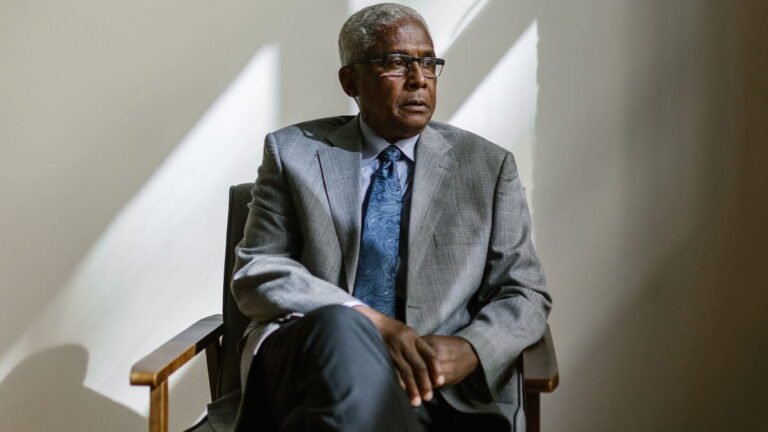
Unseenism is a pervasive yet often overlooked phenomenon that deeply impacts individuals, particularly women over the age of 40. It describes the feeling of being ignored, overlooked, or unheard, stemming from societal biases based on age and gender. This concept, eloquently articulated by actress Tina Lifford, sheds light on the challenges faced by many (particularly Black women) who feel marginalized or unseen in various aspects of their lives. Whether in healthcare settings, professional environments, or everyday interactions, unseenism can have profound effects on mental, emotional, and physical well-being.
Lifford’s personal experiences have deeply resonated with the concept of unseenism. Despite growing up in a household that encouraged speaking up, she has still encountered moments where she felt unseen or ignored.
Lifford’s mother, who recently passed away at 91, served as a role model for advocating for yourself, highlighting the importance of speaking up, especially in healthcare settings.
“My mom was 91 years old and at 91 she was in the hospital advocating for herself. We were right there with her,” Lifford tells BlackDoctor.org.
Unfortunately, many people overlook the crucial role of self-advocacy in their health journey. According to a new Insmed Incorporated study, 58 percent of women who chose not to speak up during a visit with their doctor said it was because their health concerns were previously ignored.
The survey of over 2,000 participants aimed to uncover how “Unseenism” can shape the health decisions of people aged 40+ years, according to a press release. Key insights from the survey indicate that:
Although speaking up for yourself can be challenging, it is crucial to your well-being. In a panel discussion organized by Insmed’s “Speak Up in BE” initiative, Lifford, alongside actress Jane Seymour and a bronchiectasis (BE) patient sat down to discuss unseenism and its impact on patients living with BE. The diagnosis of BE is frequently missed or delayed leaving many patients feeling overlooked or underrepresented. Notably, around two-thirds of BE patients are women, with the average age of diagnosis being 68.
Lifford advises those feeling like victims and unheard to advocate for themselves by taking notes, conducting their own research, trusting their instincts when they sense something is amiss, persisting in the face of rejection, and always being unafraid to ask questions.
“The conversation doesn’t stop because someone isn’t listening to you. It needs to go on.” Lifford shares.
For those, living with a chronic condition, Lifford suggests allowing yourself to go through the grieving process. “You’re now living in a new body and it’s going to take some time to adjust,” Lifford, the Speak Up in BE panel moderator, adds. “Allow yourself the grace to go through the grieving process and then move on to manage.”

Although Lifford can relate to the feeling of being unseen, she has managed to age gracefully in an industry that often places stereotypes on women as they age.
One role she is incredibly proud of is her portrayal of Aunt Vi in the television series “Queen Sugar”, who she credits for allowing her to challenge stereotypes about aging and visibility.
“She truly impacted the depiction of women over the age of 60 because prior to that, I can’t think of a show with a woman over 60 being vibrant in front of the screen,” Lifford says.
Outside of acting, Lifford is the CEO of the Inner Fitness Project, which focuses on mental, emotional, and spiritual well-being. The project aims to empower individuals to take control of their inner health, paralleling the themes of advocacy and self-empowerment discussed in the panel.
Moving forward, Lifford hopes the future of the conversation around gender and aging will continue to model the change we want to see.
“I think it’s super important that we take our possibilities seriously, that we name them. If you are challenged by unseenism, a powerful question is, ‘How can I move beyond this feeling of unseenism?'”
Lifford’s advice for those feeling pressured by societal norms is to start with themselves. By envisioning how you want to feel and articulating your desires, you can begin to attract positive change in your life. Recognizing your uniqueness and inherent worthiness is key to reshaping thoughts and actions about yourself.
She also emphasizes the importance of community and finding people who understand you, help strengthen you, and help you feel seen.
“Forcing yourself to say wait a minute, I matter helps you rewire that habit of strength and courage,” Lifford says. “I walk, noting that I am adding value to everyone.”


By subscribing, you consent to receive emails from BlackDoctor.com. You may unsubscribe at any time. Privacy Policy & Terms of Service.