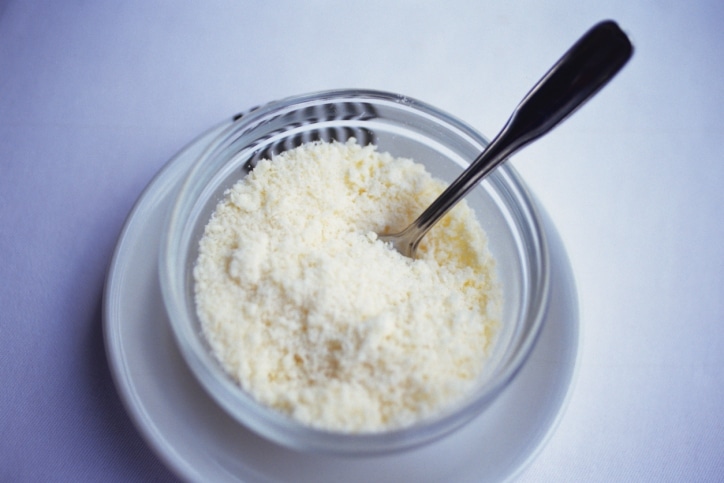
Americans love their Italian cheeses. Last year, U.S. Parmesan output rose 11 percent from 2014 to around 336 million pounds, while Romano production grew 20 percent, to 54 million pounds, according to U.S. Department of Agriculture data.
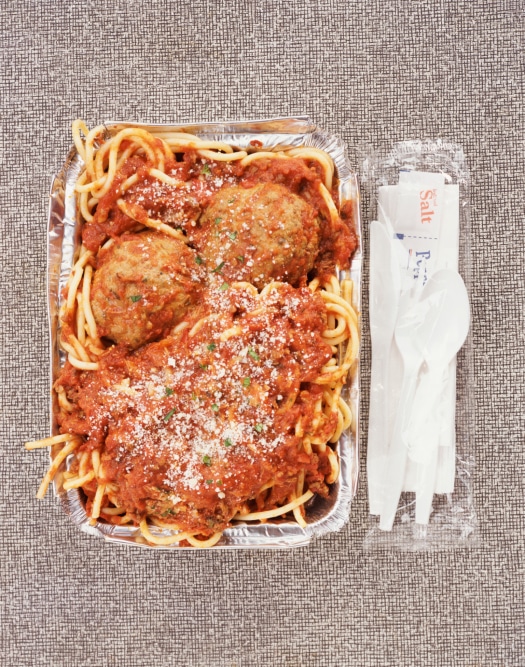
We sprinkle it on our spaghetti. May put a little bit in our cesear salad. Or even some of us put some on our pizza. But what we’re eating may not be what we think it is.
Acting on a tip, agents of the U.S. Food and Drug Administration paid a surprise visit to a cheese factory in rural Pennsylvania.
What they found may shock you. Their investigation found evidence that Castle Cheese Inc. was doctoring its “100 percent real” parmesan with substitutes and fillers as wood pulp and distributing it to some of the country’s biggest grocery store chains.
Parmesan sold at places such as Walmart and Whole Foods contain cellulose, which is an anti-clumping additive made of wood pulp. Tests by Bloomberg News found Walmart’s Great Value 100 percent grated parmesan cheese registered 7.8 percent cellulose and Jewel-Osco’s Essential Everyday 100 percent grated parmesan had 8.8 percent.
Those are cellulose levels above what is considered acceptable, which is around 2 to 4 percent. Kraft had 3.8 percent.
According to one of the largest natural cheese makers in the U.S., “less than 40 percent of the packaged grated parmesan cheese sold is actually a cheese product.”
Cheese makers and retailers told Bloomberg they were investigating the test results further.
According to the report, Whole Foods doesn’t list cellulose as an ingredient, but the Whole Foods 365 parmesan tested at .3 percent cellulose. The company said it thinks the test might have been a false positive.
The FDA regulates what can legally be called Parmesan or Romano according to standards established in the 1950’s to ensure that manufacturers wouldn’t sell cheeses wildly different in composition.
Of all the popular cheeses in the U.S., the not-as-common Italian varieties are the most likely to have fillers because of their expense. It’s simple: cheaper ingredients plus higher prices for “real” Italian cheeses equals greater profit margins.
Normally, Parmesan wheels sit in curing rooms for months, losing moisture, which result in…
… a smaller yield than other cheeses offer. While 100 pounds of milk might produce 10 pounds of cheddar, it makes only eight pounds of Parmesan. That two-pound difference means millions of dollars to manufacturers.
So with all this new knowledge, what do you do?
Take a stroll over to the deli counter and get the real deal instead of packaged cheese sitting on a shelf. It may cost you a little bit more, but at least you’re eating the real thing.


By subscribing, you consent to receive emails from BlackDoctor.com. You may unsubscribe at any time. Privacy Policy & Terms of Service.