If you are a lover of seafood, specifically shell fish, you need to keep reading. According to new late 2016 research, rising ocean temperatures are leading to a rise in shellfish infected with a potentially deadly toxin.
Shellfish containing toxic levels of this deadly toxin don’t look or taste any different from shellfish that are safe to eat. It also cannot destroyed by cooking or freezing.
There have been a number of vast blooms of algae — so large they can be seen from space — off the west coast of the US in recent years.
One nasty side effect is that some of them produce a potent neurotoxin called domoic acid, which then accumulates in shellfish, particularly filter feeders like razor clams.
If humans eat shellfish containing enough of the poison it can lead to seizures, memory loss or, on rare occasions, death.
Domoic acid poisoning has also been linked to mass deaths of sea lions, dolphins, whales and other marine mammals.
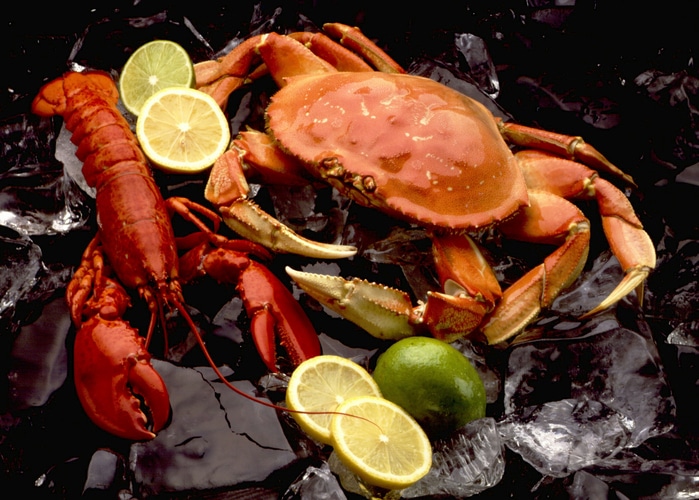
Seafood lovers got a glimpse of the horrible toxin in 2015, when record high ocean temperatures and lingering toxic algae blooms raised the domoic acid in shellfish to unsafe levels, shutting down the West Coast Dungeness crab fishery from Alaska to Southern California for several months. Though less dramatic, the problem emerged again this season, when harvesting was again delayed for portions of the coasts.
Now researchers working on a way to predict when these algal blooms will occur — so monitoring can be increased to spot the affected shellfish before they are sold for human consumption — have discovered a link with warmer ocean temperatures.
Scientists warned that if ocean temperatures rise because of global warming, this could lead to an increase in the numbers of poisonous shellfish.
All molluscan shellfish (those having a hinged shell) including clams, mussels, oysters, geoduck, and scallops are capable of being toxic. So can moon snails and other gastropods. Other marine species, such as…
… sea cucumbers, might also be affected.
But, not all shellfish react the same way. Mussels, for example, are able to rid themselves of the toxin within a few weeks, while domoic acid may linger in clams for several months, even up to a year.) Those delicious Dungeness crabs have a taste for clams, which is where domoic acid can be passed up the food chain to us humans.
Officials are able to test for unsafe levels, keeping tainted seafood out of restaurants and away from seafood counters, but many people go get fresh seafood from farmers markets and other places close to shares that have not been tested. Also, with the number of shellfish affected, it can vastly rise the price of your crab or lobster dinner.
Crab feed on other shellfish, so crab gut can contain unsafe domoic levels, although the toxin is not known to accumulate in crab meat. To be safe, clean crab thoroughly, removing all butter (the white-yellow fat inside the back of the shell), and discard the gut.
If you have digested this toxin, early symptoms include tingling of the lips and tongue, which may begin within minutes of eating toxic shellfish or may take an hour or two to develop. Symptoms may progress to tingling of fingers and toes and then loss of control of arms and legs, followed by difficulty in breathing. Some people feel nauseous or experience a sense of floating. If a person consumes enough toxin, muscles of the chest and abdomen become paralyzed, including muscles used for breathing, and the victim can suffocate.
Before harvesting any kind of shellfish yourself, check our shellfish safety mapping site here, or call the Marine Biotoxin Hotline at 1-800-562-5632 to find out what


By subscribing, you consent to receive emails from BlackDoctor.com. You may unsubscribe at any time. Privacy Policy & Terms of Service.