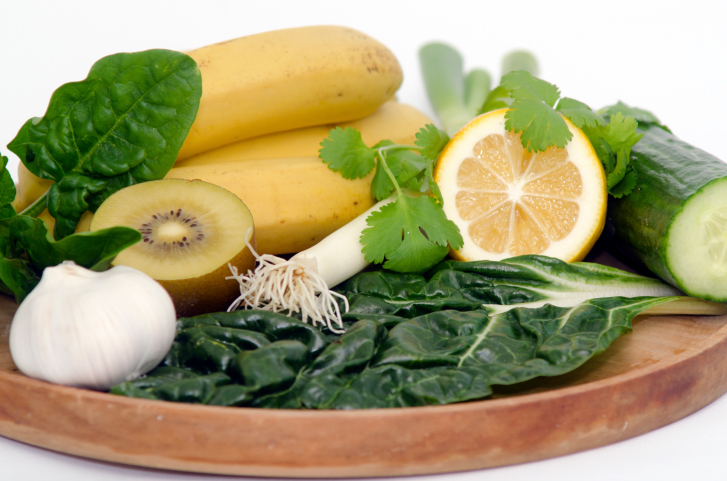
Fact: To lose weight, you need to use more calories than you eat. It is possible to eat any kind of food you want and lose weight. You need to limit the number of calories you eat every day and/or increase your daily physical activity. Portion control is the key. Try eating smaller amounts of food and choosing foods that are low in calories.
Tip: When trying to lose weight, you can still eat your favorite foods—as long as you pay attention to the total number of calories that you eat.
Fact: A low-fat or nonfat food is often lower in calories than the same size portion of the full-fat product. But many processed low-fat or nonfat foods have just as many calories as the full-fat version of the same food or even more calories. They may contain added sugar, flour, or starch thickeners to improve flavor and texture after fat is removed. These ingredients add calories.
Tip: Read the Nutrition Facts Label on a food package to find out how many calories are in a serving. Check the serving size too it may be less than you are used to eating. For more information about reading food labels, read the brochure Energize Yourself and Your Family, from the Weight-control Information Network (WIN) or visit the U.S. Food and Drug Administration (FDA) online at www.cfsan.fda.gov/~dms/foodlab.html.
Fact: Fast foods can be part of a healthy weight-loss program with a little bit of know-how.
Tip: Avoid supersize combo meals, or split one with a friend. Sip on water or nonfat milk instead of soda. Choose salads and grilled foods, like a grilled chicken breast sandwich or small hamburger. Try a “fresco” taco (with salsa instead of cheese or sauce) at taco stands. Fried foods, like French fries and fried chicken, are high in fat and calories, so order them only once in a while, order a small portion, or split an order with a friend. Also, use only small amounts of high-fat, high-calorie toppings, like regular mayonnaise, salad dressings, bacon, and cheese.
Fact: Studies show that people who skip breakfast and eat fewer times during the day tend to be heavier than people who eat a healthy breakfast and eat four or five times a day. This may be because people who skip meals tend to feel hungrier later on, and eat more than they normally would. It may also be that eating many small meals throughout the day helps people control their appetites.
Tip: Eat small meals throughout the day that include a variety of healthy, low-fat, low-calorie foods. For more information about healthy eating, read the WIN brochure Healthy Eating and Physical Activity Across Your Lifespan: Tips for
Adults.
Fact: It does not matter what time of day you eat. It is what and how much you eat and how much physical activity you do during the whole day that determines whether you gain, lose, or maintain your weight. No matter when you eat, your body will store extra calories as fat.
Tip: If you want to have a snack before bedtime, think first about how many calories you have eaten that day. And try to avoid snacking in front of the TV at night it may be easier to overeat when you are distracted by the television.
Fact: Lifting weights or doing strengthening activities like push-ups and crunches on a regular basis can actually help you maintain or lose weight. These activities can help you build muscle, and muscle burns more calories than body fat. So if you have more muscle, you burn more calories—even sitting still. Doing strengthening activities 2 or 3 days a week will not “bulk you up.” Only intense strength training, combined with a certain genetic background, can build very large muscles.
Tip: In addition to doing at least 30 minutes of moderate-intensity physical activity (like walking 2 miles in 30 minutes) on most days of the week, try to do strengthening activities 2 to 3 days a week. You can lift weights, use large rubber bands (resistance bands), do push-ups or sit-ups, or do household or garden tasks that make you lift or dig.
Food Myths
Fact: In small amounts, nuts can be part of a healthy weight-loss program. Nuts are high in calories and fat. However, most nuts contain healthy fats that do not clog arteries. Nuts are also good sources of protein, dietary fiber, and minerals including magnesium and copper.
Tip: Enjoy small portions of nuts. One-third cup of mixed nuts has about 270 calories.
Fact: Eating lean meat in small amounts can be part of a healthy weight-loss plan. Red meat, pork, chicken, and fish contain some cholesterol and saturated fat (the least healthy kind of fat). They also contain healthy nutrients like protein, iron, and zinc.
Tip: Choose cuts of meat that are lower in fat and trim all visible fat. Lower fat meats include pork tenderloin and beef round steak, tenderloin, sirloin tip, flank steak, and extra lean ground beef. Also, pay attention to portion size. One serving is 2 to 3 ounces of cooked meat—about the size of a dec


By subscribing, you consent to receive emails from BlackDoctor.com. You may unsubscribe at any time. Privacy Policy & Terms of Service.