A diverse team of healthcare professionals and support staff can dramatically improve outcomes for expectant mothers. Doulas, in particular, play a vital role in these teams, offering essential support during pregnancy, childbirth, and the postpartum period. This is especially true for Black women, who face a disproportionately higher risk of pregnancy-related complications.
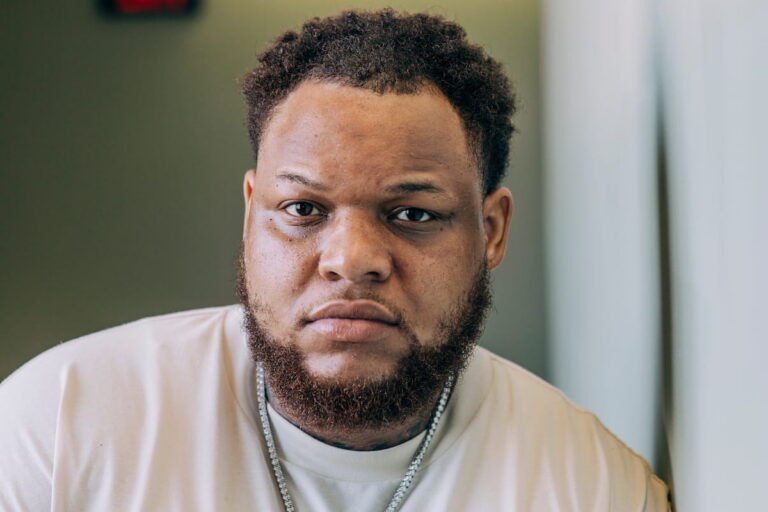
BlackDoctor spoke with LaToshia Rouse, CD/PCD, Certified Birth and Postpartum Doula, Owner of Birth Sisters Doula Services. Rouse shares insights into the work of a doula, its critical importance and what expectant mothers must know about their rights.
RELATED: 5 Reasons to Consider Having a Doula Before, During AND After Pregnancy
Doulas are more than just birthing companions; they are emotional and physical lifelines, helping a mother navigate every complexity that accompanies pregnancy.
“I am a doula who also works on the ground with parents and families in preparing for birth and helping them understand their rights and options, walking them through the birth process, helping them with information they need to make decisions and assisting them with helping it to go smoother. And then in the postpartum [period], I work with families with making sure they’re connected, if they haven’t already been during the birth process, to resources in the community. A lot of people just have a really hard time, especially families of color,” Rouse explains.
The need for this type of personalized care is especially urgent for Black women, who, according to the Centers for Disease Control and Prevention (CDC), are approximately three times more likely to die from pregnancy-related causes than white women.
“A big part of the work of a doula is the prenatal care, where you are educating them and their families so that they understand when something’s going wrong, they know what those things are, and they know who to call and when. You are helping them to understand where to go for good care. Oftentimes, people having a baby for the first time don’t necessarily know that all places are not equal. All hospitals aren’t equal,” Rouse shares.
Separate from the work of a midwife, doulas focus on emotional and informational needs that may be traditionally missed in a hospital setting.
“The doula is there to provide emotional, physical, and informational support. And those are things that midwives are not able to do within their time constraints. But if you put those together, a doula and a midwife, you have a holistic approach to personalized care. You have someone who is specifically there for you and knows what your needs are from that whole process. And then you have a midwife…there to make sure that physiological birth happens,” Rouse shares.
As noted above, all hospitals aren’t equal, which makes it crucial to be aware of red flags and know how to address them. So what are those red flags?
Rouse outlines several red flags that expectant mothers should be aware of when navigating maternity care:
“We are so used to taking care of everybody and everything as Black mothers, that’s what we do, but we say yes to things that other people can do. So that’s our self-care piece…So, preparing people to start saying no, preparing people to start having their support system raised up around them so that it’s not such a shock when you have a baby and people are trying to figure it out,” Rouse shares.
RELATED: Why Are Black Women 25% More Likely to Have C-Sections?

Although sometimes necessary, the recommendation of a C-section can also be a red flag. According to the Leapfrog Group 2025 Maternity Care Report, one in five hospitals shows significant disparities in C-section rates across races. Furthermore, data from a study last year in New Jersey found that Black women were 25 percent more likely to have C-sections than white women.
“When you’re going to your appointments, you should be asking questions about their C-sections and how often those are happening? What are their rates? You want to know their reasoning for most of those cesareans, their reasoning for inductions? You want to know how they’ve done any training around cultural humility? Do they understand the needs of different patients? Are they welcoming to your support people in that space? Have they been responsive to your partner?” Rouse notes.
In her practice, Rouse sees a lot of time pressure placed on hospitals, especially when a patient is considered high-risk.
“There’s this clock that people are on in a hospital system, and there’s this need to move to the next phase, to get things going, to hurry things up, and birth doesn’t necessarily always work that way,” Rouse notes.
In these cases, Rouse stands in the gap, offering tools like the BRAIN acronym—Benefits, Risks, Alternatives, Intuition, Nothing.
“We want to know anytime we’re making a decision, what are the benefits, what are the risks, what are the alternatives, what does your intuition say, what happens if we don’t do this now or not at all? That’s the information you need to be able to make decisions around those interventions that are brought towards you,” Rouse advises.
One of Rouse’s most memorable experiences involves a client whose baby flipped to a breech position late in pregnancy. The hospital immediately scheduled a C-section, but with seven days until the surgery, Rouse introduced the client to repositioning techniques and exercises that could encourage the baby to turn.
“When she went for that last appointment, her baby had turned. So she did have a vaginal birth. She did not have to have a cesarean. I don’t think a lot of people even understand that it is a possibility that there are things that are not necessarily medical that you can do that will help in those scenarios, as far as even reducing unnecessary [procedures],” Rouse says.
Beyond medical interventions, Rouse also emphasizes the importance of lifestyle modifications during pregnancy, focusing on holistic well-being. This includes:
Beyond her hands-on work with families, Rouse also contributes to research and serves on several advisory boards to ensure patient voices—especially Black voices—are included in the policies and practices shaping maternal care.
“Oftentimes, decision-makers think they know what’s best without talking to the people directly impacted,” she says. “I make sure the perspective of the people on the ground is heard.”
Rouse’s final advice to families navigating maternal care is to utilize the resources available. Here are some ways to get started:


By subscribing, you consent to receive emails from BlackDoctor.com. You may unsubscribe at any time. Privacy Policy & Terms of Service.