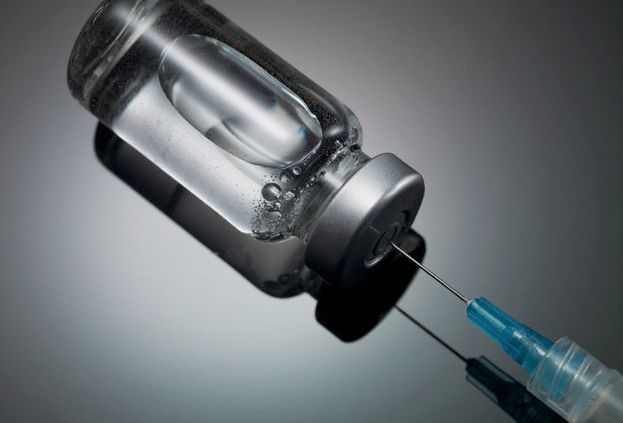
(BlackDoctor.org) — The relationship between diabetes and insulin is complex – meaning that there is a lot of insulin information out there, some correct, some false.
Here are answers to some of the most common insulin-related questions:
1. What is insulin?
“Insulin is a hormone produced by the beta cells in the pancreas,” says Jennifer L. Miller, MD, a pediatric endocrinologist at La Rabida Children’s Hospital in Chicago. “When you eat, your body turns carbohydrates into glucose, or sugar, which enters the bloodstream. Insulin is the key that helps get glucose from the bloodstream into the cells, so the cells can use the glucose for energy,” explains Dr. Miller.
2. Does insulin help the body maintain a healthy weight?
As mentioned above, insulin’s role is to move glucose, or sugar, out of the bloodstream and into cells. It’s the hormone that regulates blood sugar levels; however, this function may also help you maintain a healthy weight.
3. What’s the difference between type 1 and type 2 diabetes?
Actually, the two conditions are quite different from one another. “Type 1 diabetes occurs because the body mistakenly fights off insulin-producing cells in the pancreas,” says Miller. People with type 1 diabetes need insulin treatments because their body can no longer make enough insulin. “Type 2 diabetes occurs because the body becomes resistant to insulin,” says Miller. “It needs more insulin to get the same amount of glucose into the cells for energy. Eventually, the pancreas cannot make enough insulin to keep up, and type 2 diabetes develops.”
4. Does everyone with type 2 diabetes need supplemental insulin?
While most people with type 2 diabetes eventually need supplemental insulin, this is not the case initially. “Many people can live with type 2 diabetes for many, many years before needing supplemental insulin,” says Miller. “Some people with type 2 diabetes can modify their diet and increase their exercise, and no medication is needed for a period of time. There are also oral and daily injectable medications besides supplemental insulin that can help the body respond better to insulin or make more of it.”
5. Can diabetes be managed with insulin treatments alone?
Insulin helps to regulate blood glucose levels, but it is far from the only step needed to manage diabetes. “It is important to eat properly — a healthy, well-balanced meal with appropriate portion sizes and caloric intake — as well as exercise and lead an active lifestyle,” says Miller. “These things, along with insulin or other medications for type 2 diabetes, can help with optimal diabetes control.”
6. Do all insulin injections hurt?
Many people fear needles, which makes this a common misconception about treatments for diabetes. In reality, insulin injections hurt very little, if at all, says Miller. And once you get used to them, they will be just a simple and painless part of your everyday routine.
7. Is insulin always injected with a needle?
You can also receive insulin through an insulin pump, which delivers a metered dose of insulin through a soft tube and into the body through a cannula (a small, soft plastic needle), usually on the abdomen. The cannula is changed every two days.
Pre-filled insulin pens are also available for delivering insulin. These pens inject insulin into the body through a more efficient and easy-to-use delivery system than traditional syringes and vials of insulin.
Other methods, such as inhaled insulin for the mouth and nose, have been tried in the past, but they never gained much traction. “There are some needle-free delivery devices, but most people don’t go to the trouble to use them because they are harder to use, and the needle injections are relatively painless,” says Miller.
8. Once you start taking insulin, can you ever stop?
People with type 1 diabetes always need to take supplemental insulin. Those with type 2 diabetes, however, may make enough lifestyle changes in terms of diet and exercise and be able to wean themselves off supplemental insulin. Eventually, however, most people will need to go back on insulin therapy to manage type 2 diabetes symptoms.
9. Does insulin cause weight gain?
People who take insulin therapy often gain weight, but it’s still possible to maintain a healthy weight. Supplemental insulin helps move sugar from the bloodstream into your cells. People who continue eating as much as they did before starting insulin gain weight because that sugar is entering into cells instead of being removed from the body during urination. Glucose in the cells that doesn’t get used up as energy turns into fat. “If you don’t overeat, then the appropriate diet with the appropriate amount of insulin should not cause any excessive weight gain,” says Miller.
10. Does the amount of insulin you need depend on what you eat?
The general rule is that the amount of insulin you need is based on the amount and type of carbohydrates that you eat. As you exercise more, you should also need less insulin. “This is something you will work out with your health care provider and dietitian or diabetes educator, as it is very individualized,” Miller says.


By subscribing, you consent to receive emails from BlackDoctor.com. You may unsubscribe at any time. Privacy Policy & Terms of Service.