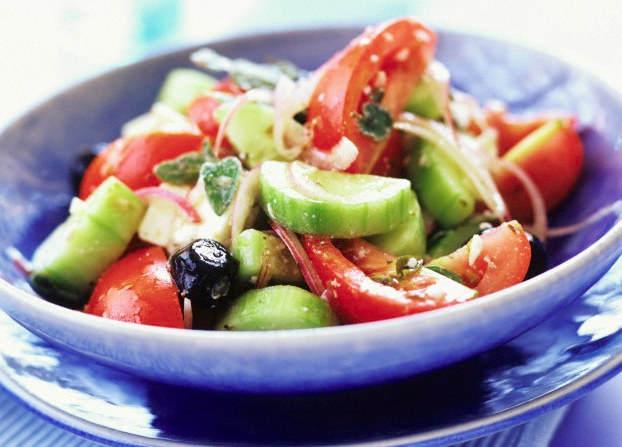
What is the Mediterranean Diet? Why does it have a history of promoting weight loss, heart and brain health, cancer prevention, and diabetes prevention and control?
READ: 10 Foods That Burn Belly Fat
Middle-aged women who follow a heart-healthy Mediterranean diet may live a healthier, longer life, a new study suggests. For the study, researchers evaluated the diet and medical records of more than 10,000 women.. The women were in their late 50s or early 60s between 1984 and 1986, and were free of major chronic diseases. About 15 years later, they again provided information on their diet and their health.
The Mediterranean diet is characterized by greater intake of [fruits, vegetables, legumes, whole grains] and fish; lower intake of red and processed meats; moderate intake of alcohol; higher amounts of [monounsaturated fats, mostly provided by olive oil from Mediterranean countries]; and lower amounts of [saturated fats]. Saturated fats are found in baked goods, fatty meats and other foods.
READ: Fall Foods That Burn Fat
So what is the Mediterranean diet?
Fresh, healthy food. The staples of the Mediterranean diet include fresh fruits and vegetables, whole grains, nuts and seeds, legumes, seafood, yogurt, olive oil, and small amounts of wine. Food should be eaten in season and locally grown, and Mediterranean dieters avoid processed food. The Mediterranean diet focuses on small portions of high-quality food. When food tastes delicious, a little is enough because your senses have been satisfied. And healthy fats like olive oil and nuts, which are staples of the Mediterranean diet, keep you feeling fuller longer than diets that restrict fat or forbid it altogether.
READ: What Is Brown Fat?
What are the ingredients in the Mediterranean diet?
Healthy fats. Unlike most diets, the Mediterranean diet doesn’t cut fat consumption across the board. Rather than limiting total fat intake, the Mediterranean diet makes wise choices about the type of fats that are used. On the menu are the monounsaturated fat found in olive oil, nuts, and avocados; and polyunsaturated omega-3 fatty acids, found in fatty fish (salmon, tuna, sardines, and trout); and fat from plant sources, like flaxseed. Limiting processed and packaged foods keeps the diet extremely low in unhealthy trans fats, which have been shown to increase the risk of heart disease and strokes.
Olive oil. The Mediterranean people use olive oil in almost everything they eat, including pastas, breads, vegetables, salads, fish, and even cakes and pastries. It’s the principal fat in the Mediterranean diet, replacing other fats and oils, including butter and margarine. What’s so healthy about olive oil? Researchers at the Monell Chemical Senses Center in Philadelphia found that oleocanthal, a compound in olive oil, may reduce inflammation, which could help prevent conditions like heart disease, diabetes, arthritis, Alzheimer’s, and autoimmune diseases, as well as certain cancers.
Omega-3 fatty acids. Found in abundance in the Mediterranean diet, omega-3 fatty acids are bursting with health benefits. Fatty acids have been shown to reduce the incidence of heart attacks, blood clots, hypertension, and strokes; and may prevent certain forms of cancer and lower the risk of neurological disorders like Alzheimer’s disease.
More vegetables, less meat. A diet higher in plant foods and lower in animal products has been linked to decreased incidence of heart disease, diabetes, and many cancers. The traditional Mediterranean diet is practically vegetarian, with lots of fish and very little meat. As for vegetables, Mediterranean people feast on tomatoes, broccoli, peppers, capers, spinach, eggplant, mushrooms, white beans, lentils, and chick peas.
Wine. Many Mediterranean people drink a glass or two of wine each night with dinner. But portions are small, generally about three ounces (a third of a small wine glass or two shot glasses). When taken in small amounts, wine has been linked to lower rates of heart disease, likely due to the presence of antioxidants like transresveratrol and oligomeric proanthocyanidin (OPC), which keep blood circulation healthy and prevent blood clots from forming.
Whole grains. Whole grain foods like bread, pasta, potatoes, polenta, rice, and couscous are a key part of the Mediterranean diet. In their natural state, grains are full of cancer and heart disease-fighting fiber, vitamins, minerals, and nutrients. But stripping the grain’s outer layers to make white flour and white rice eliminates these benefits, reducing the healthy whole grain to little more than empty calories. Whole grains provide energy and calories with little fat, and because they’re slow to digest (thanks to their high-fiber content), they help you feel fuller longer.


By subscribing, you consent to receive emails from BlackDoctor.com. You may unsubscribe at any time. Privacy Policy & Terms of Service.