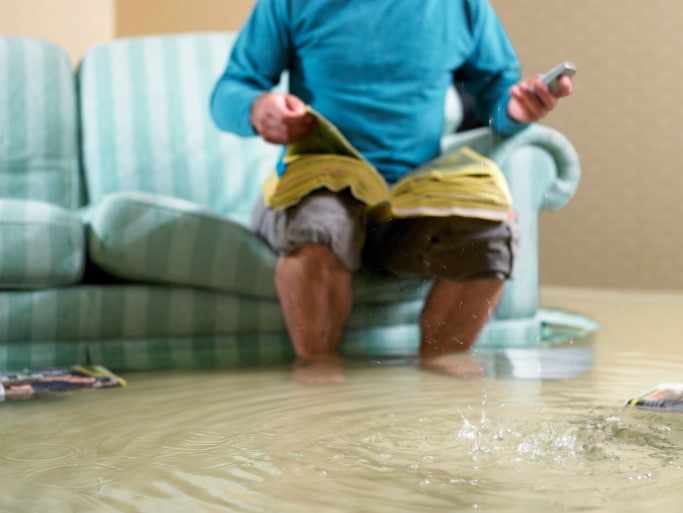
With recent flooding in the news, we want to make sure that you and your family are prepared. So here’s what to do to make sure your loved ones are always safe before, during and after a flood.
BEFORE A FLOOD (When flooding has been forecast)
- Be alert.
- Monitor your surroundings.
- Monitor local television and radio stations, or go to www.weather.gov.
- If a flash flood warning is issued for your area: Climb to safety immediately.
- Flash floods develop quickly. Do not wait until you see rising water.
- Get out of low areas subject to flooding.
- If driving, do not drive through flooded roadways!
- Assemble disaster supplies:
> Drinking water – Fill clean containers.
> Food that requires no refrigeration or cooking.
> Cash.
> Medications and first aid supplies.
> Clothing, toiletries.
> Battery-powered radio.
> Flashlights.
> Extra batteries.
> Important documents: insurance papers, medical records, bank account numbers.
- Be prepared to evacuate.
- Identify places to go.
- Identify alternative travel routes that are not prone to flooding.
- Plan what to do with your pets.
- Fill your car’s gas tank.
- If told to leave, do so quickly.
- Review your Family Disaster Plan.
- Discuss flood plans with your family.
- Decide where you will meet if separated.
- Designate a contact person who can be reached if family members get separated. Make sure every family member has the contact information.
- Protect your property.
- Move valuables and furniture to higher levels.
- Move hazardous materials (such as paint, oil, pesticides, and cleaning supplies) to higher locations.
- Disconnect electrical appliances. Do not touch them if you are wet or standing in water.
- Bring outside possessions indoors or tie them down securely. This includes lawn furniture, garbage cans, and other movable objects.
- Seal vents to basements to prevent flooding.
DURING A FLOOD
-
- Be alert.
- Monitor your surroundings.
- Monitor NOAA Weather Radio, local television and radio stations, or go to www.weather.gov.
- Don’t drive unless you have to.
- If you must drive, travel with care.
- Make sure your vehicle has enough fuel.
- Follow recommended routes. DO NOT sightsee.
- Avoid disaster areas. Your presence might hamper rescue or other emergency operations and put you at further risk.
- Watch for washed out roads, earth slides, and downed trees or power lines.
- Be especially cautious at night, when it is harder to recognize flood dangers.
- If the vehicle stalls, abandon it.
- If water rises around your car, leave the vehicle immediately. Climb to higher ground as quickly as possible.
- NEVER drive through flooded roadways. STOP! Turn around.
- The roadbed may be washed out.
- You can lose control of your vehicle in only a few inches of water.
- Your car may float. Vehicles can be swept away by less than 2 feet of water.
- Do not drive around a barricade. Turn around and go another way!
- Get to high ground – Climb to safety!
- Get out of low areas that may be subject to flooding.
- Avoid already-flooded areas and do not attempt to cross flowing water.
- Stay away from power lines and electrical wires.
- Evacuate immediately, if you think you are at risk or are advised to do so!
- Act quickly. Save yourself, not your belongings.
- Move to a safe area before access is cut off by rising water.
- Families should use only one vehicle to avoid getting separated and reduce traffic jams.
- Shut off water, gas, and electrical services before leaving.
- Secure your home: lock all doors and windows.
- If directed to a specific location, go there.
- Never try to walk or swim through flowing water.
- If flowing water is above your ankles, STOP! Turn around and go another way.
- If it is moving swiftly, water 6 inches deep can knock you off your feet.
- Be aware that people have been swept away wading through flood waters.
- NEVER allow children to play around high water, storm drains, creeks, or…
-
- Shut off the electricity at the circuit breakers.
- If someone falls in or is trapped in flood water:
- Do not go after the victim!
- Use a floatation device. If possible throw the victim something to help them float, such as a spare tire, large ball, or foam ice chest.
- Call 911. Call for assistance and give the correct location information.
AFTER A FLOOD
- Wait until it is safe to return.
- Monitor NOAA Weather Radio or local television and radio stations.
- Do not return to flooded areas until authorities indicate it is safe to do so.
- Do not visit disaster areas following a flood. Your presence may hamper urgent emergency response and rescue operations.
- Travel with care.
- Follow recommended routes. DO NOT sightsee.
- Watch for washed out roads, earth slides, and downed trees or power lines.
- Stay away from downed power lines.
- If a building was flooded, check for safety before entering.
- Do not enter a building if it is still flooded or surrounded by floodwater.
- Check for structural damage. Inspect foundations for cracks or other damage.
- Turn off any outside gas lines at the meter tank.
- Do not enter a building that has flooded until local building officials have inspected it for safety.
- Use extreme caution when entering buildings.
- Wear sturdy shoes. The most common injury following a disaster is cut feet.
- Use ONLY battery-powered lighting. Flammable material may be present.
- Look for fire hazards (such as damaged gas lines, flooded electrical circuits, or submerged furnaces).
- Check for gas leaks. If you smell gas or hear a blowing or hissing noise, open a window and quickly leave the building. If possible turn off the gas at the outside main valve. Call the gas company.
- Report broken utility lines to appropriate authorities.
- Check for electrical system damage (sparks, broken or frayed wires, or the smell of burning insulation). Turn off the electricity at the main circuit breaker if you can reach it without stepping in water.
- Examine walls, floors, doors, windows, and ceilings for risk of collapsing.
- Watch out for animals that might have entered with the floodwaters.
- Let the building air out to remove foul odors or escaping gas.
- Take pictures of the damage, both of the building and its contents, for insurance claims.
- Get professional help.
- Seek necessary medical care. Do not neglect minor wounds or illnesses.
- Food, clothing, shelter, and first aid are available from the American Red Cross.
- If the gas has been turned off for any reason, it must be turned back on by a professional.
- Have an electrician check the electrical system and appliances.
- Wells should be pumped out and the water tested for purity before drinking.
- Your home is no longer a safe place.
- Throw away medicine, food, or water that had contact with floodwaters (including canned goods).
- If water is of questionable purity, boil drinking water for 10 minutes.
- Restrict children from playing in flooded areas.
- Keep windows and doors open for ventilation.
- Pump out flooded basements gradually (removing about 1/3 of the water volume each day) to avoid structural damage.
- Keep the power off until an electrician has inspected the system for safety. All electrical equipment should be checked and dried before being returned to service.
- Clean and disinfect everything that got wet.
- Service damaged sewage systems as soon as possible.
- When making repairs, protect your property from future flood damage.
- Follow local building codes.
- Use flood-resistant materials and techniques.
- Elevate electrical components above the potential flood height.
- Elevate utilities (washer, dryer, furnace, and water heater) above the level of anticipated flooding.
- Consider elevation of the entire structure.
- Install a backflow valve in the sewer system.