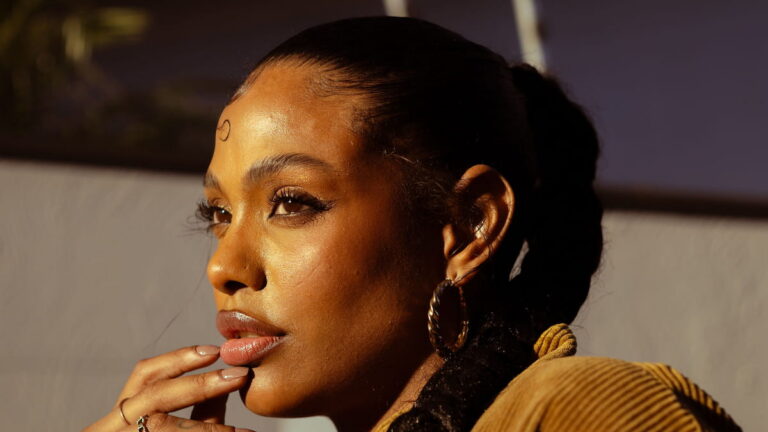
Black History Month is here, and parents, teachers, and students are faced with what history is taught, who decides, and who pays the price. This dilemma makes information inequality explanation and access with agency necessary to prepare all students for more diverse views, but also might leave some wondering why this month is set apart or if it is even still culturally relevant. Many may acknowledge that some progress has been made for Blacks, but those same folks who recognize that progress may not also agree that we, Black Americans, still have a lot further to go as a diverse people. Meanwhile, the nature of civil rights is swiftly changing application as the spotlight shifts from Black to brown with immigration issues. Is there a shared burden to determine how to make Black history more complete, and is it possible to make it more inclusive? Is affirming that Black history is American history enough? If so, who gets to be that voice for Black students? Or are competing voices necessary to paint the full picture of how American history is taught?
Giving a teacher that much power and influence can do more harm than good. Lastly, it underlines the question of who gets to have a voice and who decides what that voice should present as historical truth. This is more important than a 28-day highlight that fades away for the rest of the year. This constructs how Black students and students of other ethnicities see themselves in the American history story and influences what materials are used to teach it. It can determine what kind of dialogue is encouraged about it if all students and their teachers are allowed to share their voices when it comes to the “hard history” questions that are still crucial after slavery and after the Civil Rights movement.
Teacher-authored history provides students with the exchange of one lens that is replaced by another lens to see themselves through. It strongly influences their personal truth of how they see themselves fitting in the greater picture, “without that knowledge, we don’t know who we have been, who we are now, or…who we could become.
RELATED: ‘I’m Not My Ancestors’… and That’s the Problem: Lessons We Forgot From Black History
This results in “shuttering access to history… [that] impoverishes us all”.
Parents may be displeased with history teachers, Black or white, for example, sneaking their version of history to their students under the guise of trying to broaden and balance “our story” as Black people in America. Alternatively, teachers may be stepping beyond what’s comfortable by choosing to teach the traditional and expected views about the tried and true highlighted figures of Black excellence and those individuals’ contributions. Combining many truths but with limited time may be necessary to create Black students’ personal ownership of the Black experience throughout American history, however. Furthermore, the dialogue that results could raise challenging questions that history teachers initiate, but parents are often left to address, and many may not be adequately prepared to do so.
Whether many truths or one voice, many parents want consistency. Whether teachers encourage critical thinking about race in American history or establish a single educational standard, most would agree that the American history their children learn should not be based on a teacher’s personal views, views that parents may not agree with, and that change each academic year.

This does not successfully result in the goal of seeing how everyone and many voices are part of the American history story. This is where artful and skilled teaching is required. Black History Month can be more inclusive when lessons are curated to highlight the contributions of Black Americans, ensuring they are not confined to February and are never used as a tool of shame, but rather to complete the story of the country to which Black people have so significantly contributed.
Giving one group, textbook, or person the power to decide how to teach America’s history is neither the complete answer nor the best solution. American history will always require dialogue, and it starts in the classroom. The education of Black students about Black history is an opportunity to be more intentional about beginning to tell the full story of a multicultural country like America. The complexities inherent in teaching Black history as an integral part of American history, acknowledging the contributions of diverse individuals, necessitate input from many, without privileging the views of a select few.

By subscribing, you consent to receive emails from BlackDoctor.com. You may unsubscribe at any time. Privacy Policy & Terms of Service.