The question of why African-Americans have disproportionate rates of high blood pressure continues to puzzle the medical community and requires further research, according to a new report.
MUST READ: 12 Weeks to a Heart Healthy Lifestyle
The report, which was posted this week and will be published in the November issue of the American Heart Association journal Hypertension, zeroed in on several areas where research is needed to help narrow the divide between African-Americans and others when it comes to high blood pressure, also known as hypertension.
“We’ve made tremendous progress in the area of hypertension in African-Americans in recent decades, but it’s still a huge problem,” said the report’s lead author Paul Whelton, M.D., chair of global public health at Tulane University. “African-Americans still have considerably lower hypertension control rates and more complications for any given level of high blood pressure compared to whites. It’s the biggest problem in high blood pressure in this country, and we need to find ways to close the gap for disparities.”
“It’s an incredibly important topic to report on,” said University of Michigan cardiologist and researcher Kenneth Jamerson, M.D., who wasn’t involved in the report. “If everyone has the same access to therapies that remediate disease, why wouldn’t everyone have a parallel reduction in disease?”
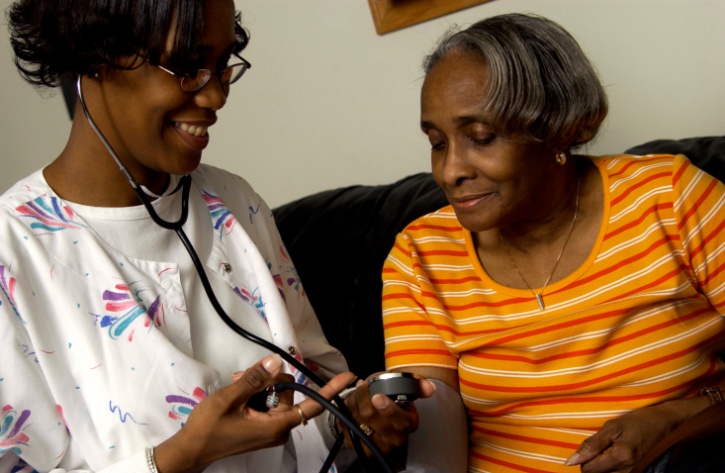
The report noted hypertension is less well controlled in African-Americans compared to non-Hispanic whites (49.5 percent vs. 53.9 percent) despite higher awareness and higher usage of blood pressure-lowering medications. As a result, African-Americans also have a higher risk of blood pressure-related cardiovascular disease and renal (kidney) disease, according to the report.
A group of 33 scientists assembled by the National Heart, Lung, and Blood Institute concluded in the report that more research is needed in the areas of surveillance, nonpharmological approaches, and the use of public health strategies. Another area singled out for research was environmental and social and determinants.
“We need more studies on how hypertension is related to race and people’s perception of unfair treatment and the hostility and anger that comes with that,” Whelton said.
“There are lots of social factors that affect blood pressure, but when you’re talking about blacks, it’s tough not to come back to factors related to discrimination and racism,” said Jamerson. “Racism is so pervasive, and we really do need more research on that particular stressor.”
The report also called for more research in the area of genetic and pharmacogenomics and how they relate to heart and kidney disease caused by high blood pressure.
But Whelton cautioned that scientists should be judicious when it comes to genetic-related “precision medicine.” He points out that the report concludes “environmental, behavioral and psychosocial factors probably play a more important role than genetics in the higher prevalence of hypertension in African-Americans.”
Whelton said more studies are needed to see what the relationship is between diet and hypertension in African-Americans — especially healthy diets with reduced sodium and increased potassium.
“There may be an insufficient intake of potassium products like fruits and vegetables, especially in areas where you have so-called ‘food deserts’ where you don’t find fresh vegetables,” Whelton said. “Also, in some parts of the country, it may have to do with traditional preparation methods where vegetables are boiled and strained and the potassium is extracted in the process.”
Jamerson said a healthy diet and an active lifestyle are keys “to making it easier to control hypertension and add to your longevity.” Some examples are increasing physical activity or increasing potassium intake with green leafy vegetables or avocados.
In addition to calling for further research, the report also stressed the need for customized training programs to help young scholars learn better methods of addressing racial disparities in the rate and control of high blood pressure.
Training the general public about hypertension may be just as important, Whelton said.
“Resistant hypertension is a huge problem, especially among young black men,” Whelton said. “The treatments are good, but they don’t show up for treatment. We have a lot of work to do there.”
Jamerson agreed.
“You have to facilitate your own visit with the doctor and not wait for your mother or wife to do it,” Jamerson said. “I have so many patients who I ask ‘What medications are you taking?’ and they turn to their wives and say ‘What am I taking?’ … You have to facilitate your own care and come up with your own questions to ask your doctor. You have to prioritize your own health.”


By subscribing, you consent to receive emails from BlackDoctor.com. You may unsubscribe at any time. Privacy Policy & Terms of Service.