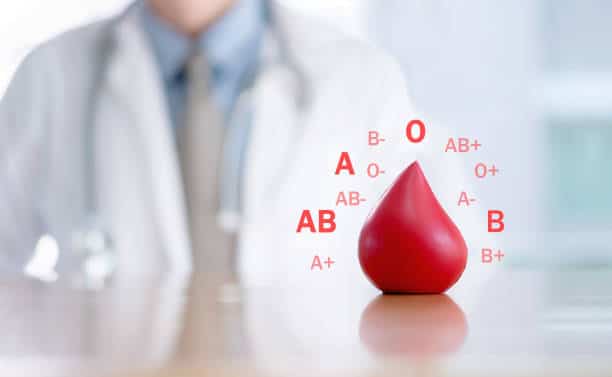
The letters A, B, and O symbolize the ABO gene, which programs our blood cells to create blood types.
AB blood types generate A and B antigens in red blood cells. Type O blood lacks antigens. Blood is “positive” or “negative,” depending on whether red blood cells have proteins. Rh positive means your blood contains proteins. Type O-negative blood has no antigens or proteins; thus, anybody may take it in an emergency.
What causes blood types? Dr. Douglas Guggenheim, a hematologist at Penn Medicine, says ancestry and prior illnesses may have contributed to the variety.
Type O blood may be more susceptible to cholera, whereas type A or B blood may cause coagulation problems. Blood can’t keep up with real-time biological or viral dangers, but it can reflect the past.
“The body has evolved to guard its surroundings,” Guggenheim remarked.
RELATED: The Blood Type Chart Explained
According to the American Heart Association, those with type A, type B, or type AB blood are more likely to suffer a heart attack or heart failure.
While the increased risk is minimal (types A or B had a combined 8% greater risk of heart attack and 10% higher risk of heart failure), the difference in blood clotting rates is substantially bigger, the AHA notes.
People with type A and B blood were 51% more likely to suffer deep vein thrombosis and 47% more likely to develop a pulmonary embolism, which may cause heart failure.
According to Guggenheim, type A, B, and AB blood may be more prone to inflammation. Type A and type B blood proteins may produce vein and artery “blockage” or “thickening,” increasing clotting and heart disease risk.
Guggenheim believes this may also represent the anecdotal (but inconclusive) reduction in risk of severe COVID-19 illness in type O blood donors. COVID-19 may cause cardiac difficulties, blood clotting, and other complications.
RELATED: Are You Eating Right For Your Blood Type?
People with type O blood have a decreased risk of heart disease and blood clots but may be more prone to hemorrhaging. Research on postpartum blood loss indicated an increased risk among type O women.
The research found that people with type O blood may fare worse after trauma due to higher blood loss. People with type AB blood may be more prone to cognitive impairment than those with type O. Memory, attention, and decision-making problems are cognitive impairments.
RELATED: Can Your Blood Type Determine Your Fitness Regimen? risk of heart attack
Blood type may affect a person’s risk of heart disease, although diet, exercise, and neighborhood pollution are bigger contributors. Guggenheim recommends a heart-healthy diet that decreases inflammation for all patients, regardless of blood type.
Future studies might give more definite blood type treatments, he says. A patient with good cholesterol and type A blood may benefit from daily aspirin, whereas a person with type O blood may not.
“Any doctor will advocate a heart-healthy diet, and ABO doesn’t alter that,” Guggenheim added. “I don’t believe type O blood protects you,” he said.
New research reveals that blood type O protects against heart attack and stroke, whereas AB increases risk. Blood pressure, cholesterol, and weight are quantifiable heart disease risk factors.
Blood type may also be relevant, says Harvard researcher Lu Qi, MD, Ph.D. “Blood types can’t be changed.” This information may help us evaluate a patient’s heart disease risk and how to treat them.
Type O is 50% of Americans. About 45% of whites, 51% of African-Americans, 57% of Hispanics, and 40% of Asians have the blood type. AB blood is uncommon. Only 4% of whites and Blacks, 2% of Hispanics, and 7% of Asians have it. Qi and colleagues integrated two major studies that tracked 90,000 people for at least 20 years.
AB blood types are 23% more prone to heart disease than type O. Blood type A was 5% riskier. Blood type B was 11% riskier. A blood type is connected to higher amounts of LDL (“bad”) cholesterol and AB to inflammation, which is linked to heart disease. Arteriosclerosis, Thrombosis, and Vascular Biology published the results.


By subscribing, you consent to receive emails from BlackDoctor.com. You may unsubscribe at any time. Privacy Policy & Terms of Service.