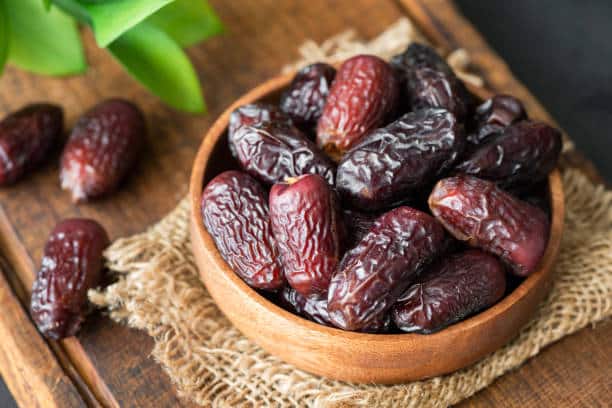
Dates have long been a snack full of sweetness and significance. Cultivated for at least 6,000 years, the palm date tree plays a role in several religious faiths. Among Muslims, a taste of date is given to infants as a ceremonial first meal, and the fruit is prominent during Ramadan, a month for fasting from sunrise to sunset.
“It’s customary for Muslims all around the world to break their fast with dates and water, or dates and milk,” says Sara Elnakib, chair of the department of family and community health sciences at Rutgers University in New Brunswick, New Jersey. She has a doctorate in public health education.
Their combination of fiber, nutrients and energy mean dates are “a great way to break your fast,” she adds. And as a snack for other times, they’re “on the healthier side.”
Around the world, you’ll find thousands of varieties of dates. In the United States, you’re most likely to encounter the plump medjool or the smaller Deglet Noor.
Their flavor and nutritional profiles vary, but overall, dates tend to be good sources of fiber, vitamin B and minerals such as potassium and magnesium, Elnakib shares. Let’s take a deeper look at their benefits.
RELATED: 7 Amazing Health Benefits of Black Grapes You Should Know
Adding dates to your diet as can instantly reduce your cholesterol and help you manage your weight.
The antioxidants that can be found in dates protect your cells from free radicals that may cause harmful reactions in your body and lead to disease. Dates are rich in the following antioxidants:
Dates are rich in copper, selenium and magnesium. Both are vital to keeping your bones healthy. Dates are also rich in vitamin K, which helps metabolize your bones.
Dates are also great for those living with osteoporosis because they can strengthen your bones.
Dates contain choline and vitamin B. Both are beneficial for the learning and memory process. Regular consumption of dates has also been linked to a lowered risk of neurodegenerative diseases such as Alzheimer’s disease and better cognitive performances in older individuals.
Reduced inflammation and plaque prevention formation in the brain is yet another benefit of consuming dates.
Dates are high in natural fiber, which helps regularize bowel movements and improve your overall digestive health. When you have healthy digestion, it leads to better nutrient absorption, better liver and kidney health and keeps you mentally relaxed. Suffering from constipation? Dates can also help with that.
Dates and date extracts help to support liver health and prevent liver fibrosis. This allows your body to detoxify in a natural way because your liver works to keep waste and harmful substances out of your body.
Research suggests that dates are helpful to reduce blood sugar and fat levels. Dates can also lower your risk of diabetes by increasing the production of insulin and reducing the rate of absorption of glucose from the intestine.
RELATED: 7 Surprising Health Benefits of Magnesium
Dates contain natural sugar, which is great for reducing your cravings for unhealthy sweet products and sugar. They are also a great substitute for white sugar due to their sweetness.
Dates are an excellent source of vitamins C and D. Both can help you maintain your skin elasticity and keep your skin smooth. Due to their anti-aging properties, dates also prevent the accumulation of melanin.
Because dates are high in fiber, which makes you feel full longer, they are great for weight loss. Try consuming dates on an empty stomach before your workout for an extra burst of energy.
If you have been suffering from insomnia, dates may be the solution. Make a drink with dates, fox nuts and milk all blended and drink before going to bed for a couple of weeks and you are sure to see improvements.
Dates have antioxidant properties that help prevent the formation of atherosclerosis and prevent cardiac diseases.
In addition to these benefits, dates also provide several benefits specific to you gender, according to PharmEasy:
Benefits of dates for males:
Benefits of dates for females:
Such sweetness does come with calories: 66 per medjool date – which can add up.
Elnakib recalls one woman who would break her Ramadan fast by eating 10 dates. “And then she was complaining that she was gaining weight during Ramadan. I was like, ‘You know, maybe don’t break your fast with 10 dates.'”
Still, Elnakib is a fan. Her family originated in Egypt, where chopped dates are boiled with milk. “It’s similar to rice pudding, but not as gelatinous,” she shares. At the end of Ramadan, on the holiday of Eid al-Fitr, she’ll enjoy a shortbread-style cookie with date paste, a food that can trace its history to the time of the pharaohs.
Keep in mind that dates by themselves don’t make a dessert healthy. And even eaten alone, you have to be mindful of how many dates you consume, Elnakib warns. “Because they’re so sweet, and they’re not that big, it’s easy to eat a lot of them.”
Some people enjoy dates pitted and stuffed with heart-friendly almonds. They also are handy to have in the car, Elnakib notes. She might munch on three or four if she’s hugry and stuck in traffic.
Overall, she considers dates to be “a really great healthy snack,” and not just for special occasions. “You can have them every day.”
By the American Heart Association


By subscribing, you consent to receive emails from BlackDoctor.com. You may unsubscribe at any time. Privacy Policy & Terms of Service.