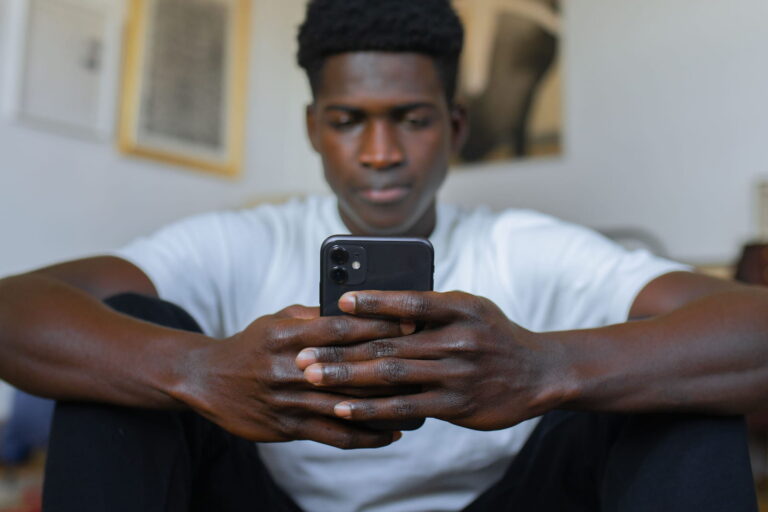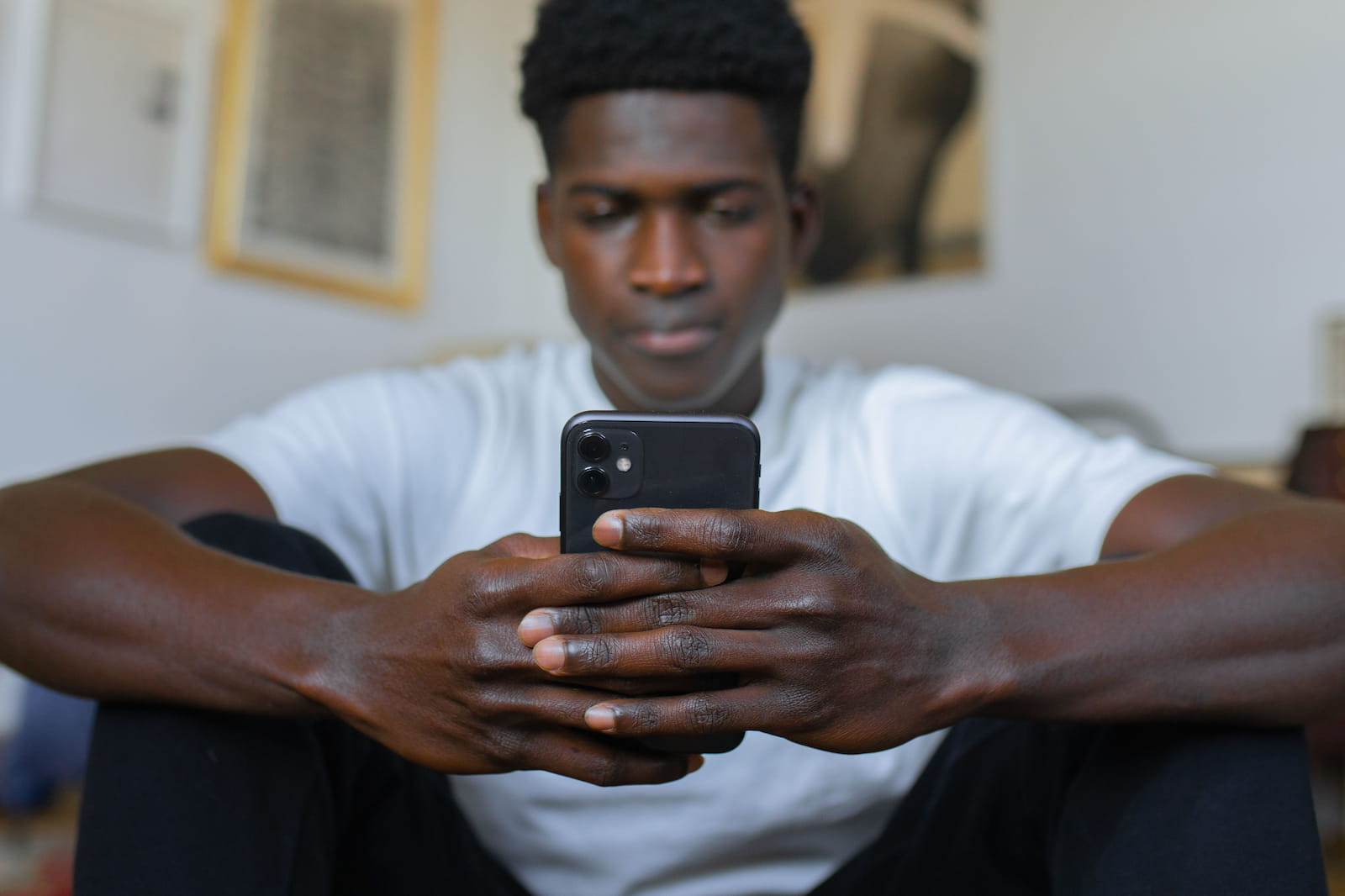
Maybe you opened TikTok looking for something funny and ended up watching a video about fibroids. Then another creator described symptoms you’ve had for years. Suddenly, you’re wondering, Wait, could this be what’s happening to me?
Social media can be useful for health information. Black doctors, nurses, therapists, medical students, patients, and advocates have used these outlets to discuss conditions that don’t always get enough attention. Some creators have also called attention to racial bias in medicine and helped Black patients find words to describe what they’ve experienced. For example, the Association of American Medical Colleges highlighted medical creator Joel Bervell, whose videos have addressed racial prejudice and myths in healthcare.
But a viral video isn’t the same as a medical evaluation. Social media can also spread self-diagnosis, misleading supplement claims, miracle cures, and health advice that leaves out important details. The National Center for Complementary and Integrative Health (NCCIH) recommends checking who created health information, whether they have expertise in the subject, and whether scientific research supports what they’re saying.
You don’t have to stop watching health content. Instead, learn how to use it wisely. Here are five things to check before letting an online post influence your health decisions.
A white coat, scrubs, a microphone, or “Dr.” in someone’s username doesn’t tell you everything you need to know. Look at the person’s actual credentials. Are they a physician? Registered nurse? Registered dietitian? Pharmacist? Psychologist? Physical therapist? Medical student? Patient advocate? Fitness coach? Then ask whether their training corresponds to the subject they’re discussing.
Someone may be highly qualified in one area without being an expert in another. A dermatologist, for example, has different training from a cardiologist. A fitness coach may know a great deal about exercise but isn’t automatically qualified to diagnose hormone problems. Personal experience matters too, but it is different from medical expertise. A Black woman sharing what it took to finally receive a fibroid diagnosis can help another woman recognize symptoms worth discussing with her doctor. Her story doesn’t prove that everyone with similar symptoms has fibroids. That’s an important difference.
The NIH Office of Dietary Supplements recommends checking the background and medical expertise of people providing online health information. It also recommends looking for the authentic source of medical claims instead of assuming the person sharing them has interpreted them correctly.
RELATED: Leaning on AI for Advice? Read This First
“Studies show” isn’t enough. Which study? When someone makes a major health claim, look for the source. Reliable creators will often link to research, medical organizations, government health agencies, or other evidence. Take another step and look at what the research actually says.
A creator might say, “This study proves this supplement balances hormones.” But the research may have included only 30 people. It may have been performed in animals rather than humans. The study may show an association rather than proving that one thing caused another. Or the study may not have tested the promoted product at all.
You don’t have to become a medical researcher every time you watch a Reel. Just slow down before accepting a strong claim. Look for information from trusted sources such as the CDC, NIH, FDA, major medical organizations, hospitals, universities, and peer-reviewed medical journals. Compare what you’re hearing with at least one other reliable source.
Pay attention when a health video suddenly becomes a sales pitch. Maybe the creator explains that your fatigue, bloating, headaches, acne, mood changes, poor sleep, and trouble losing weight are all signs of one problem. Then comes the solution: Their supplement. Their detox. Their hormone program. Their tea. Their test. Their coaching package.
That doesn’t automatically mean the information is false. Healthcare professionals and other creators can have legitimate partnerships and businesses. But you deserve to know when money is involved.
The Federal Trade Commission says influencers should clearly disclose financial, employment, personal, or family relationships with brands. That includes receiving free products or other benefits for promoting something. Be especially careful with expressions like detox, cleanse, reset, cure, miracle, hormone balance, toxin removal, or guaranteed results.
Strong evidence doesn’t support many commercial detox programs. Some can also be unsafe. NCCIH reports that research supporting detoxes and cleanses is limited, and federal agencies have taken action against some products marketed with false health claims or containing hidden ingredients.
“Natural” doesn’t automatically mean safe either. Herbs and supplements can have side effects and may interact with medications. Before starting a supplement you saw online, ask your doctor or pharmacist whether it’s safe for you.

This is one of the easiest ways to make social media useful. Suppose you watch a video about PMOS and recognize several symptoms. Instead of deciding, I definitely have PMOS, save the video or write down the symptoms that sound familiar.
For example: “I’ve noticed my periods have become irregular.” “I’ve been unusually tired for several months.” “I’ve noticed more hair growth on my face.” “My headaches usually happen around my period.” “My stomach pain happens after I eat certain foods.”
Now you have useful information to bring to an appointment. You can say, “I saw something online that made me realize I’ve been having these symptoms. Could we talk about what might be causing them?” That’s very different from walking in and saying, “TikTok diagnosed me.”
Many conditions share symptoms. Fatigue alone, for example, can have many possible causes. The same is true for headaches, weight changes, stomach problems, hair loss, irregular periods, and sleep problems.
Use social media to help you observe patterns, not make the final diagnosis. The National Institute on Aging recommends using online health information as one tool, not as the only source. It also recommends discussing what you find with your healthcare provider before changing your care.
Health communities can feel surprisingly personal. You find people living with the same condition. They understand symptoms your family doesn’t. Someone finally talks openly about something you’ve been embarrassed to discuss. That connection can be valuable. But remember that a comment section isn’t a doctor’s office.
Think carefully before posting your full medical history, medications, test results, date of birth, insurance information, phone number, home address, or other identifying information.
Be especially cautious if someone messages you privately after you comment about a health problem. A stranger saying, “DM me, and I’ll tell you how I cured mine,” should cause you to hesitate. You also shouldn’t have to send private medical information to an influencer to find out whether their product is right for you. When in doubt, keep personal medical details between you and your healthcare team.
One of the best ways to use online health content is to turn it into questions. Save the post that caught your attention and bring it to your appointment. You might ask: “Could my symptoms be related to this condition?” “Are there other conditions that cause the same symptoms?” “Would testing make sense for me?” “What symptoms should I keep track of?” “Is there evidence behind this treatment?” “Is this supplement safe with my medications?”
You aren’t telling your provider how to practice medicine. You’re showing them what raised your concern and asking for their medical opinion. A good healthcare conversation should leave room for questions.
Sometimes a patient brings up something they saw online and immediately hears, “Stop Googling.” That isn’t particularly helpful. Yes, the information you found could be wrong. But your symptoms are still your symptoms. Bring the discussion back to what you’re experiencing.
Try saying: “I understand the video may not be medically accurate. I’m more concerned because I recognize several of the symptoms. May we discuss what else could cause them?” Or: “If you don’t think this condition fits my symptoms, can you explain why?” You can also ask: “What should I watch for?” “Would any testing be appropriate?” “When should I come back if this continues?” If you repeatedly feel dismissed, consider getting a second opinion when you can.
One reason medical social media has become meaningful for Black audiences is representation. Seeing Black physicians and other health professionals discuss fibroids, maternal health, sickle cell disease, mental health, skin conditions, textured hair, medical bias, and other concerns can help people feel validated. Black healthcare professionals online can also introduce you to questions you didn’t know to ask.
But representation and reliability are separate. You should still check credentials, sources, sponsorships, and health claims—even when you like and trust the creator. The goal isn’t to distrust everyone. It’s to know the difference between education, personal experience, advertising, and medical care. Trusted Black Health Influencers to follow:
Health information online can be useful. A 60-second video might give you the words to explain a symptom you’ve struggled with for years. A Black doctor discussing racial differences in a condition might help you realize that the pictures you’ve always seen online don’t represent how that condition looks on your skin. A patient sharing her experience may remind you that you’re not the only person going through something. That matters. But the next step is checking the information.
Before trusting health advice online, ask five questions: Who is saying it? Where did the information come from? Are they selling something? Am I learning about symptoms or diagnosing myself? And what personal information am I being asked to share?
Save useful posts. Write down your symptoms. Check reliable sources. Bring questions to your appointments. Speak up when you feel your concerns haven’t been fully addressed. Social media can help you become a better-informed patient. It just shouldn’t have the final word on your health.
RELATED: The TikTok Health Trends That Are Harmful To Black People


By subscribing, you consent to receive emails from BlackDoctor.com. You may unsubscribe at any time. Privacy Policy & Terms of Service.