Federal health advisers are backing a blood test that could help detect signs of multiple cancers in people without symptoms.
But the panel that voted recently also raised questions about whether the test can reliably find cancer early enough to improve outcomes.
The Food and Drug Administration’s advisory panel voted 7-2, with one abstention, that the potential benefits of Grail Inc.’s Galleri test outweigh its risks. The panel’s separate vote on whether there was enough evidence to show the test is effective was closer, 6-4. The FDA is not required to follow the panel’s recommendations.
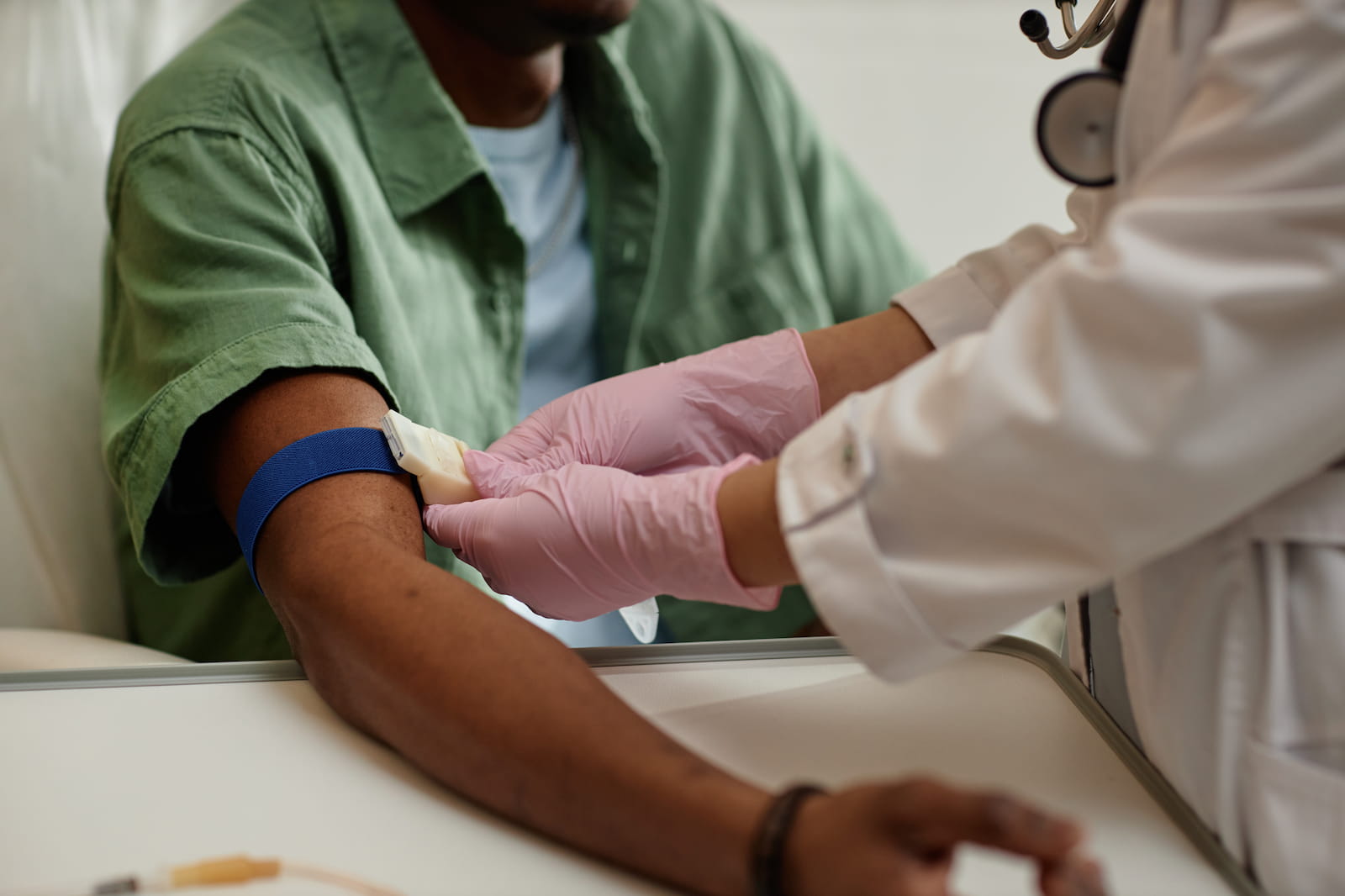
Galleri uses a blood sample to look for DNA-based signals associated with cancer. It is designed to detect signals from more than 50 types of cancer, including some cancers without recommended screening tests, according to reporting from The Associated Press.
But a positive result does not mean a person has cancer. Additional testing is needed to confirm a diagnosis. A negative result also does not mean a person is cancer-free. The test is intended to be used alongside recommended cancer screenings, not instead of them.
The panel’s concerns included false-positive results, which can lead to additional tests and procedures, as well as false reassurance when the test misses cancer. FDA reviewers also noted that the test was less effective at finding some early-stage cancers.
Still, the FDA panel did not endorse calling the test proven “early detection,” according to the Associated Press. The test is already available in the United States as a prescription laboratory-developed test and generally costs hundreds of dollars out of pocket. FDA approval could potentially expand access and affect future insurance coverage, but approval has not yet been granted.
RELATED: 7 Ways a New Cancer Vaccine Could Change Cancer Care for Black Americans
The discussion around earlier cancer detection is particularly important for Black Americans, who face some of the largest disparities in cancer outcomes.
The CDC reported that Black people have the highest overall cancer death rate and a lower overall five-year cancer survival rate than white people. Black people are also more likely than white people to be diagnosed at a late stage with female breast, lung and colorectal cancers.
Those differences matter because cancers diagnosed after they have spread are generally harder to treat. The American Cancer Society has also reported that Black people have been among the least likely racial groups to receive an early-stage diagnosis for several cancers with recommended screening.
That does not mean a multi-cancer blood test would solve these disparities. The Galleri panel specifically raised questions about how well the test performs at finding cancers at earlier stages. More research is needed to determine whether using the test leads to better health outcomes.
For now, people should continue following recommended screening guidelines for cancers such as breast, colorectal, cervical and lung cancer when eligible.
While there is no guaranteed way to prevent cancer, health agencies say people can lower their risk by making everyday choices that support long‑term health.
The Centers for Disease Control and Prevention says avoiding tobacco, staying active, eating nutritious foods and keeping up with routine screenings are some of the most effective steps people can take.
Ditching cigarettes is one of the strongest protective actions. The CDC reports that cigarette smoking causes most lung cancer deaths in the United States and is linked to several other cancers, including cancers of the throat, mouth, pancreas and bladder. Quitting at any age can lower the risk.
Healthy eating also plays a role. The American Cancer Society says diets that include fruits, vegetables, whole grains and lean proteins may help reduce cancer risk. Limiting red meat, processed meats and foods high in added sugars can also support better health.
Physical activity helps too. The CDC recommends at least 150 minutes of moderate exercise each week. Regular movement can help maintain a healthy weight, which is important because obesity is linked to several cancers, including breast, colon and kidney cancer. According to the CDC, being physically active can lower the risk of at least eight types of cancer.
Limiting alcohol can also help. Health experts also say drinking alcohol increases the risk of several cancers, including breast and colorectal cancer. Cutting back or avoiding alcohol may reduce that risk.
The FDA will make the final decision on Grail’s application. The advisory panel’s vote is not an approval, and the agency can reach a different conclusion.
The debate highlights both the promise and uncertainty surrounding blood tests designed to look for multiple cancers at once. Finding cancer earlier can matter, but a screening test also needs to show that it can find disease accurately without causing unnecessary harm.
For patients, the main message remains the same: A blood test marketed for multiple cancers should not replace established cancer screenings or a medical evaluation when symptoms develop.


By subscribing, you consent to receive emails from BlackDoctor.com. You may unsubscribe at any time. Privacy Policy & Terms of Service.