
Antimicrobial resistance (AMR) is a growing public health threat that places vulnerable communities at risk, limits the effectiveness of antibiotics, and requires action from healthcare systems to ensure Black communities are informed and equipped to confront these significant challenges.
The “Race Against Antimicrobial Resistance,” which was sponsored and powered by Pfizer, explored those issues and the critical role that healthcare professionals, pharmaceutical companies, and everyday consumers must play in addressing it on Oct. 14 at the Black Doctor Film Festival in Washington, DC.
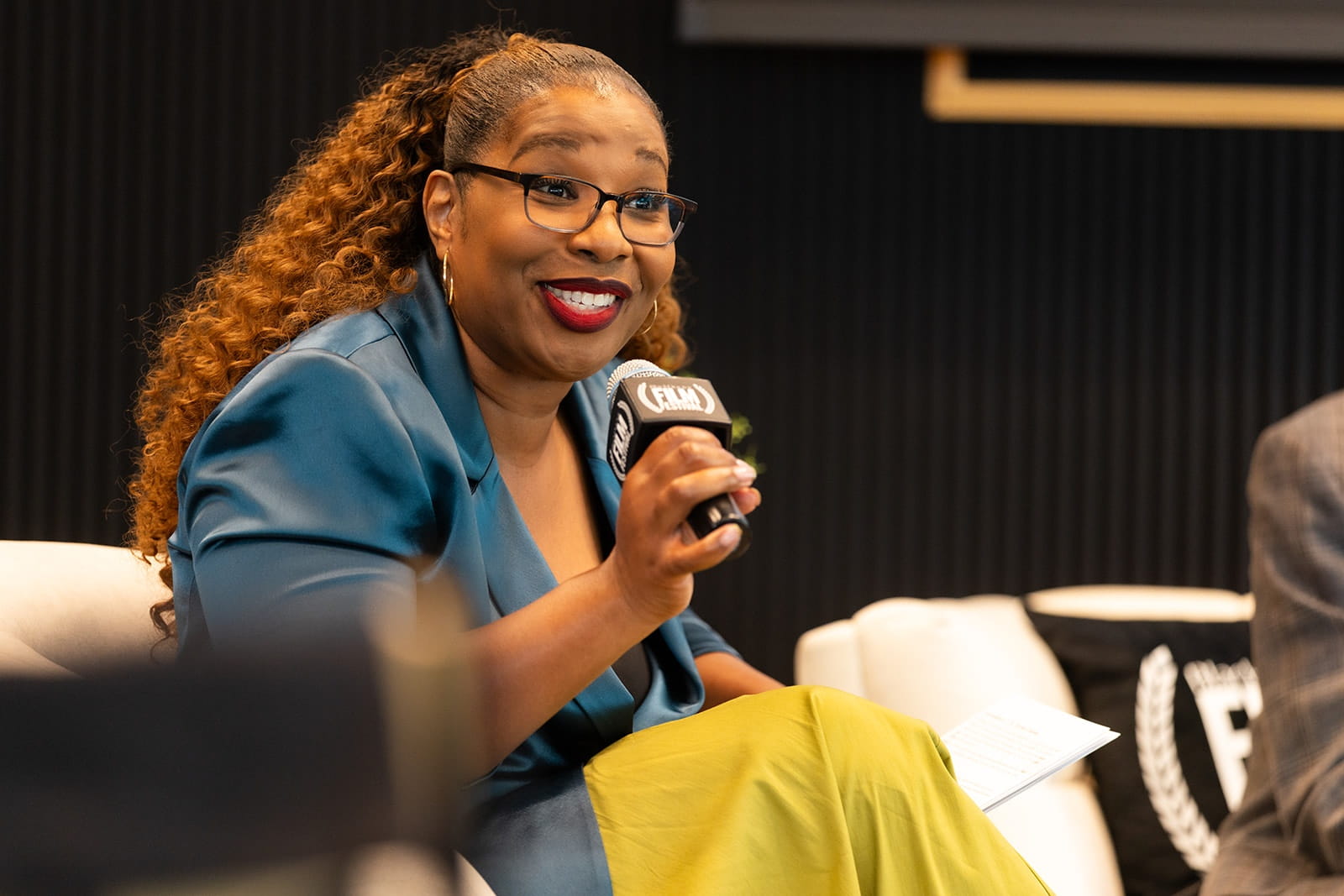
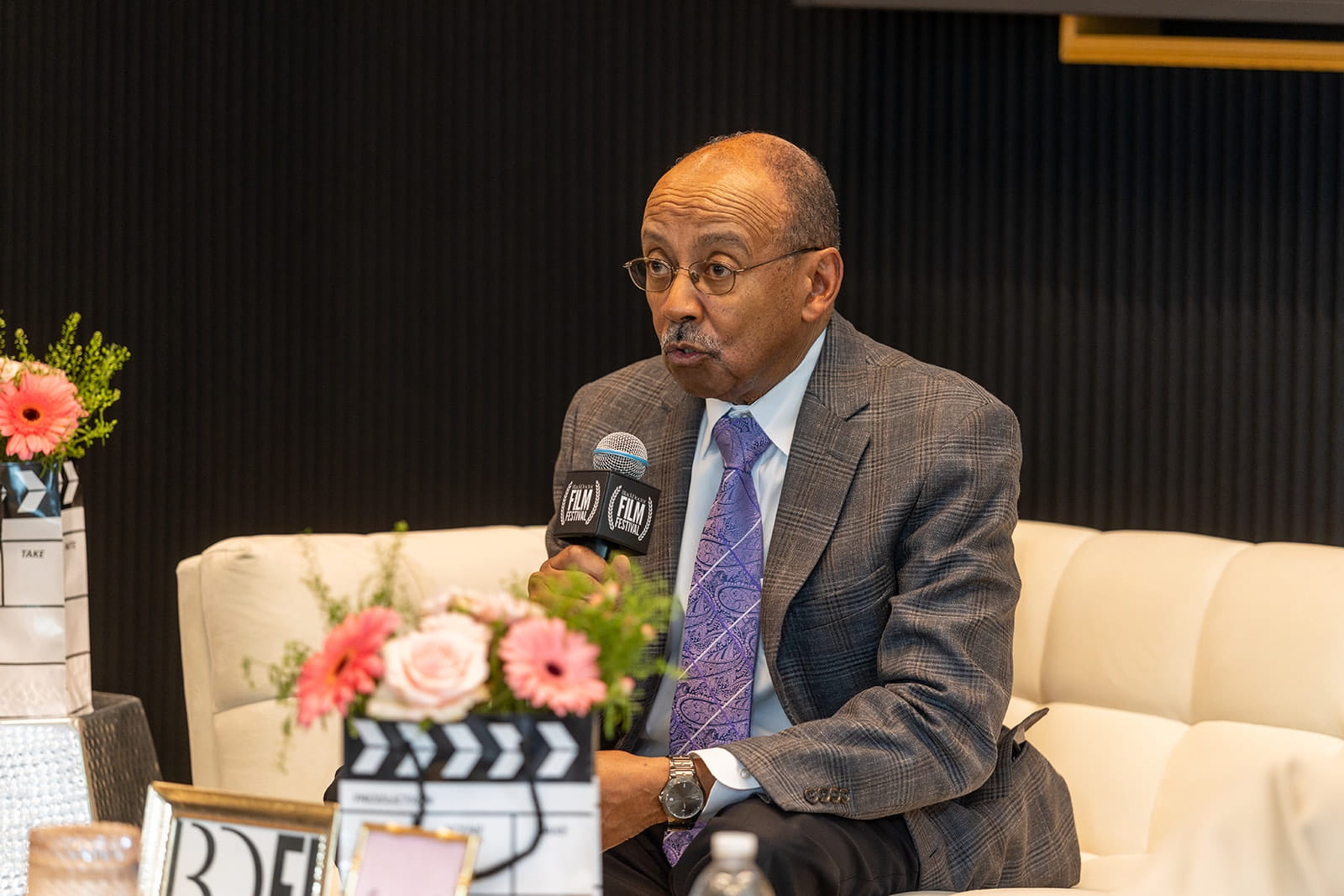
Moderated by Dr. Ashanti Carter, Chief Medical Liaison at BlackDoctor, the conversation featured Dr. J. Edward Purdy, Vice President and Therapeutic Area Lead for Antibacterials and Antifungals, Global Medical Affairs at Pfizer; Dr. Dial Hewlett, Chair of the National Medical Association Vaccine Task Force and Medical Director for Tuberculosis Services at Westchester County Department of Health Clinics; and Dr. Duclas M. Charles, PharmD, Founder of Black Health Connect.
The panel opened with video highlighting the devastating consequences of drug-resistant infections, setting the stage for a deeper examination of antimicrobial resistance (AMR) — the ability of microorganisms to evolve and withstand medications designed to eliminate them.
Dr. Hewlett explained that when standard antibiotics stop working, physicians may have to turn to more powerful treatments and eventually could face infections with few or no effective treatment options.
For Black communities, that is particularly concerning where higher rates of chronic conditions, such as diabetes and obesity, can increase susceptibility to infections and sepsis. Dr. Hewlett also pointed to healthcare access barriers, delayed diagnoses and gaps in insurance coverage as factors that can worsen outcomes.
“I think we as African Americans are disproportionately bearing this,” Dr. Hewlett emphasized, underscoring the importance of addressing antimicrobial resistance alongside broader health inequities.
The lively discussion also highlighted the essential role of pharmacists in preventing antibiotic misuse. Dr. Charles pointed to the need to invest in more community education around the topic, including creating partnerships with churches, barbershops, and other trusted spaces in the community. He also encouraged his fellow pharmacists to counsel patients more often, identify potential infections, and help patients better understand when antibiotics are — and are not — necessary.

Dr. Purdy emphasized that antimicrobial resistance is a shared responsibility, not one that can be addressed by pharmaceutical companies or healthcare providers alone. He discussed the need for continued investment in antibiotic research and development, responsible prescribing practices and global collaboration.
“This is not an ‘us’ versus them problem,” he said, noting that anyone, regardless of income, background or geography can be affected by them.
The panelists agreed that addressing antimicrobial resistance requires action at every level — from pharmaceutical innovation and clinical practice to community engagement and individual decision-making. There was a call for stronger public education, vaccination, responsible antibiotic use and greater collaboration across the healthcare ecosystem.

However, protecting the effectiveness of antibiotics is a shared responsibility, they agreed. With the disproportionate effects facing Black communities and increased vulnerabilities, keeping the community informed, represented and equipped to respond must be part of the solution.


By subscribing, you consent to receive emails from BlackDoctor.com. You may unsubscribe at any time. Privacy Policy & Terms of Service.