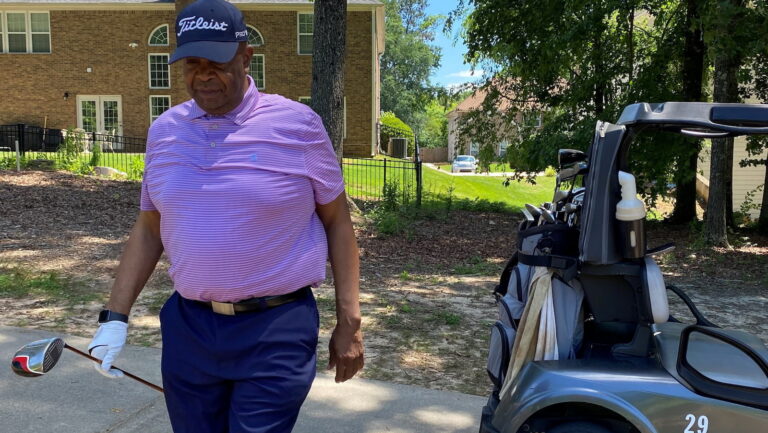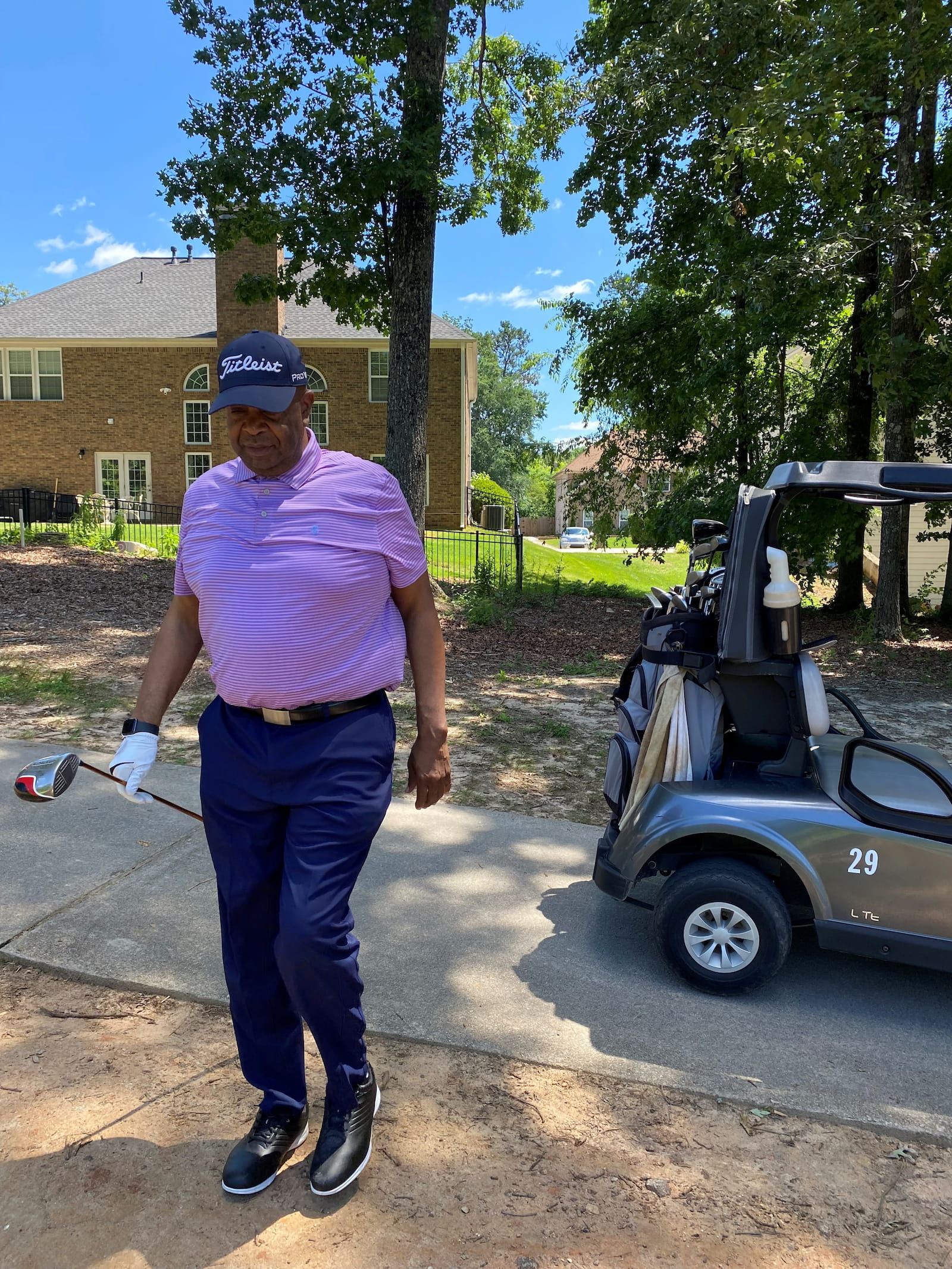
During Thanksgiving weekend in 2018, Craig, 59, was golfing with his daughter in rural Georgia near his in-laws’ home when he suddenly felt sick.
“The first thing I thought was, ‘Okay, I’m having a stroke,’” he tells BlackDoctor.
Severe cramps and back pain left Craig on the ground. Knowing he was in trouble, he used his car horn to get someone’s attention. His wife rushed him to the hospital.
By the time he arrived at a local hospital, Craig had lost all feeling from the waist down and was paralyzed.
“The nurses and doctors came out to remove me from the car, and I was rushed into the emergency room. They did all sorts of tests on my legs, from pulling the hairs on my legs to see if there was any feeling to using a pin on the bottoms of my feet,” he recalls.
Craig still had no feeling in his legs. When a doctor adjusted his position on the table, blood began flowing back into them, and sensation returned.
A CT scan revealed a tear in his aorta. Craig was losing blood.
RELATED: How a Houston Mother Beat the Odds After Years of Misdiagnosed Heart Failure
The diagnosis marked the beginning of a long health journey.
“I ended up going to a hospital and having emergency open-heart surgery for an aortic dissection,” he says.
The blood loss took a heavy toll on his kidneys. During his 21-day hospital stay, Craig needed dialysis twice a week.
After returning home to the Atlanta area, he was soon hospitalized again—this time for 19 days because of internal bleeding.
Eventually, he regained enough kidney function to stop dialysis.
Craig recalls another procedure: “In 2019, I ended up having a pacemaker defibrillator implanted because my heart was weak.”
“I continued to be in and out of the hospital, sometimes twice every other month, if not more often,” he adds.
Tamar Attia, MD, a cardiothoracic surgeon at Emory Healthcare and assistant professor of surgery at Emory School of Medicine, offers context on how an aortic dissection can be associated with heart and kidney complications.
“When you look at the general population, it’s rare for someone to have this type of complication. However, there are many ways an aortic dissection can be associated with heart failure. Aortic dissection can extend to or compromise the arteries of the heart. When Craig had his operation, he needed an intervention to the arteries of his heart. While the etiology of aortic dissection is multifactorial, hypertension is one of the risk factors for it. It’s also a risk factor for development of heart failure and renal failure.”
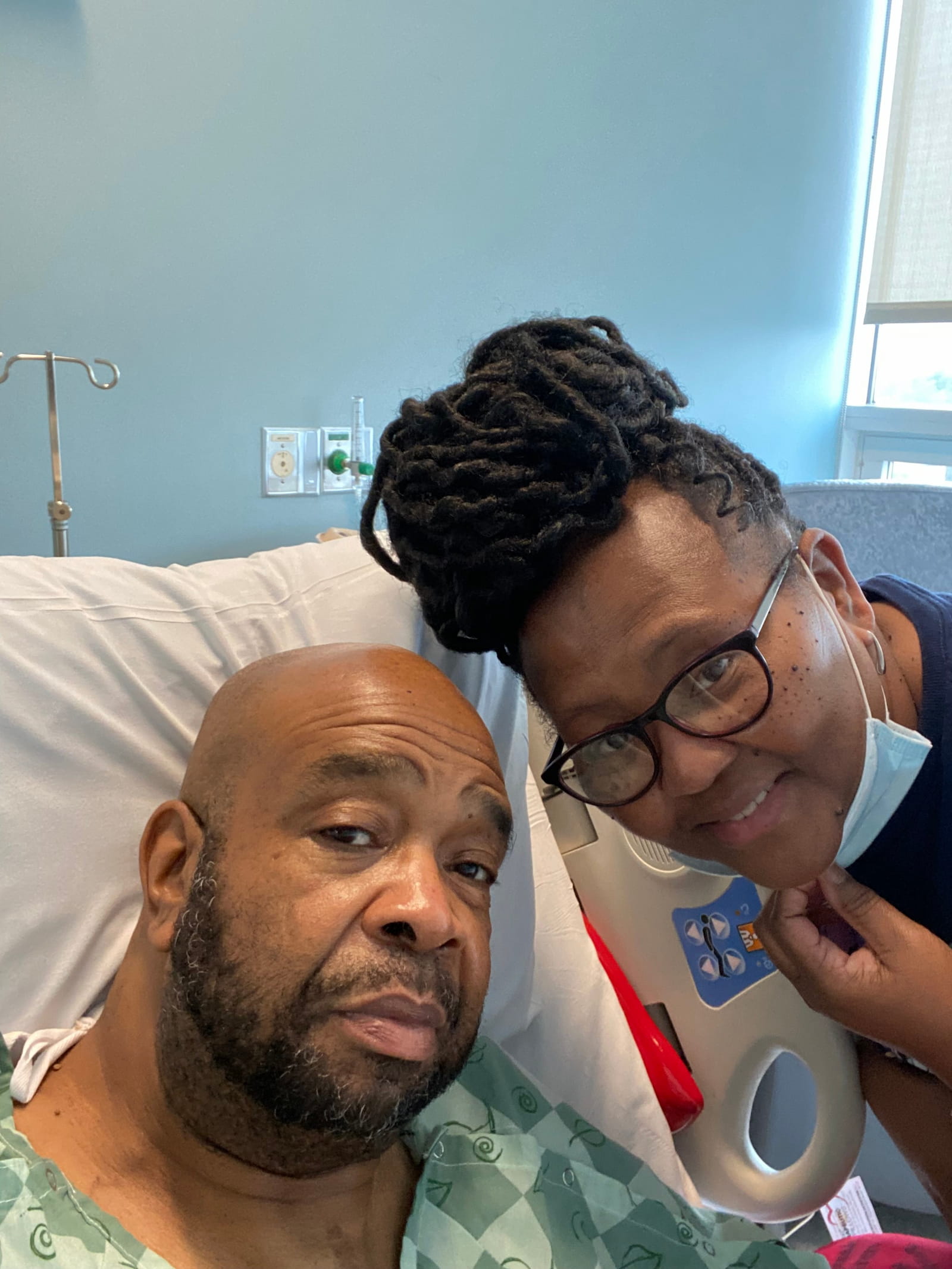
By 2022, Craig could no longer walk from one end of his house to the other. During another hospital stay, doctors diagnosed him with advanced heart failure and told him he needed a heart transplant.
“When my team of doctors came to the room to talk with me about advanced heart failure, I first had to process it. I questioned, ‘Why am I here at this time?’ I had already gone through one crisis, and here we were again. I had to deal with it psychologically,” Craig shares.
The emotional toll deepened when conversations turned to end-of-life care.
“When I was told, I had a lot of feelings. I was angry and sad. My wife was with me, and we were trying to figure things out and find our way through. There was so much going on,” he says.
He remembers a palliative care nurse discussing how to keep him comfortable.
“At that point, I just started to cry. Here I was, a young man with a family. The options included a heart transplant, but there was a long waiting list and other people waiting for a heart as well,” Craig adds.
Then doctors offered another option: a heart pump called an LVAD, implanted to help his heart pump blood.
“My wife and I talked about it, and I decided, ‘Okay, I want to live. I’ve got to do this for my kids.’ I’ve got to do this for my wife and my family. I want to see my kids graduate from school and college. I was so thankful there was an option because I had felt I didn’t have any,” he shares.
Through each crisis, Craig leaned on his family for support.
“My children and my family are strong. We’re a strong family, and we always come through adversity. This is one of the bumps in the road we were able to conquer. I feel like we conquered it,” Craig shares.
Dr. Attia also emphasizes the support families need along the way.
“Advanced heart failure is a difficult diagnosis and it’s not only hard on patients but also their beloved ones. It’s not easy when you see their health slowly and gradually declining. They need your support in many ways (driving them to appointments, taking days off from work when they are admitted to the hospital, or for procedures). It’s a long and challenging journey but there are many ways to help you and your beloved ones navigate those challenging times. There is hope!”
RELATED: I Lost Loved Ones to Heart Disease—Now I Help Others Navigate Their Care
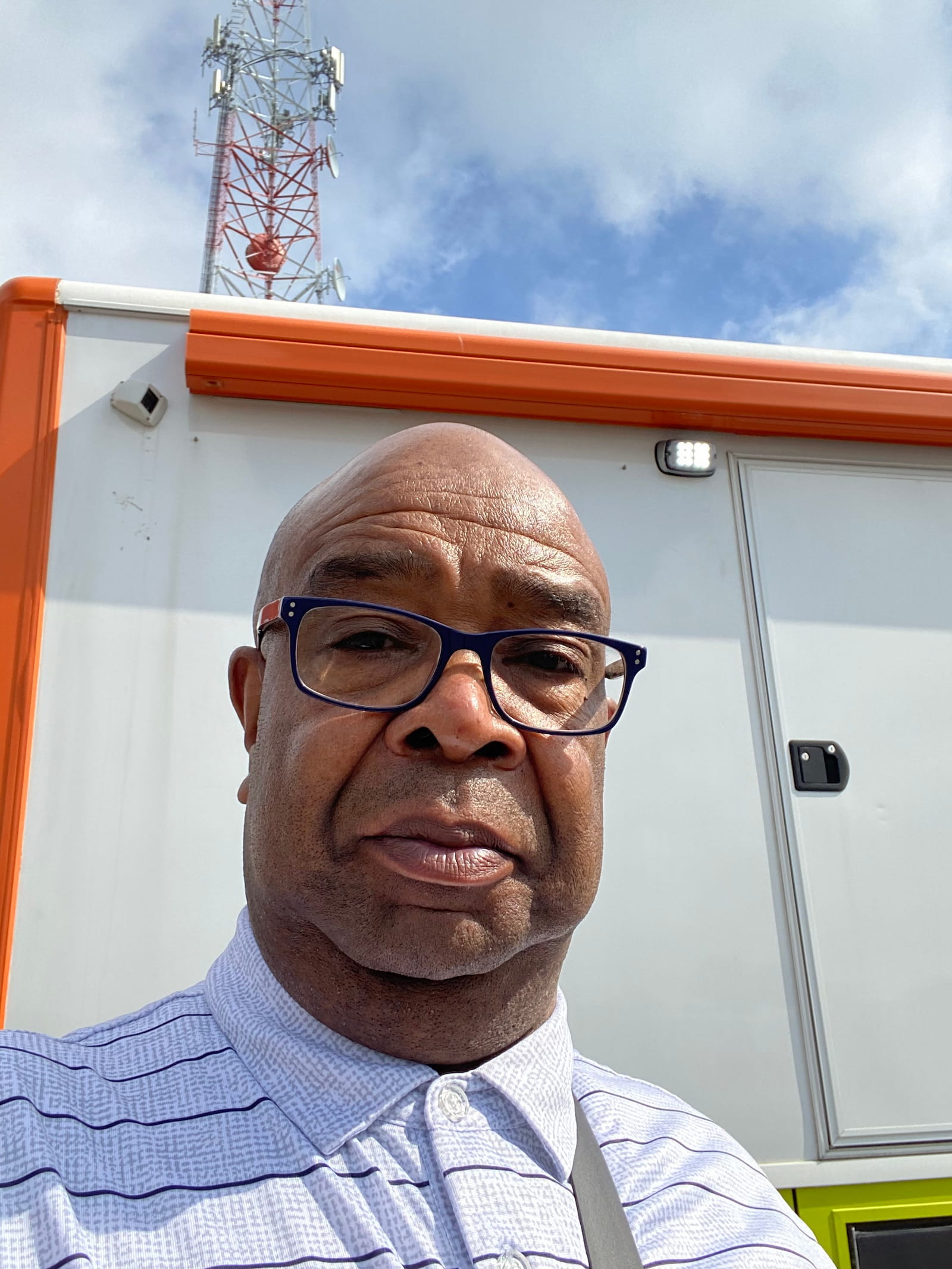
Since receiving his LVAD on April 22, 2022, Craig has celebrated his childrens’ graduations and his 30th wedding anniversary. He has even returned to golf.
“Craig’s LVAD surgery is considered a complex operation as he had a prior complex cardiac operation, and reoperations are in general a more difficult operation. Despite that, he had a smooth recovery after the operation, and he was discharged 14 days after surgery,” Dr. Attia shares.
For Dr. Attia, Craig’s return to the activities he loves is especially meaningful.
“It’s very impressive that we now have the technology and expertise today that allows us to not only help patients like Craig live longer but also get back to enjoying what they love to do,” she adds.
Craig credits his care team with helping him reach those milestones.
“The level of care I received and the innovations with the HeartMate 3 have given me new life. I experienced all those milestones because I was given that second chance. It made a big difference to me and my family,” he explains.
His doctors and LVAD coordinators took time to sit with him and answer his questions without rushing. That attention made a difference.
“At my appointments, we talk about our plans and what needs to happen next. I feel I’m getting the best possible care,” he notes.
At home, his wife has been both his caregiver and a steady source of support.
“She takes care of changing my LVAD dressings and making sure everything is sterile,” Craig adds. He says he hasn’t experienced illness since receiving the LVAD.
Alongside Craig’s renewed independence, Dr. Attia notes an important limitation of living with an LVAD.
“The current limitation of the LVADs we have today is the driveline. It’s the cable that connects the pump, which sits inside the chest cavity, to the control unit and batteries outside the body. The main limitation of this is that patients cannot immerse themselves in the water. So, they can’t swim in a pool or the ocean.”
For anyone facing a similar journey, Craig emphasizes working closely with your care team and asking questions.
“Be patient because they’re human, too. Ask questions and get a good understanding of what you’re being treated for. Always be supportive of the people helping you,” he shares.
For those living with advanced heart failure who feel they are running out of options, his message is simple:
Never give up.
“Quitting was not an option for me. With the innovations we have now, there is hope. Whoever is reading this, continue to have faith, never give up, and keep moving forward,” he advises.
Grateful for his second chance, Craig now gives back as an ambassador for the LVAD program at the hospital that saved his life.
“I go into hospitals to visit patients who are thinking about getting an LVAD or want to ask questions about the device. I share my story with them, and I feel so good about doing that because someone took the time to help me. I feel it’s so important to give back to those in need,” he says.
He talks with patients about what to expect, how to maintain their health, and how to navigate daily life with an LVAD.
“It’s a big support group where we share our struggles and accomplishments. I feel there’s so much people need to be educated about when it comes to new innovations. Someone might say, ‘There’s no help for me. I give up.’ But there is help, and I’m so thankful for it,” he adds.
“Chest pain should be taken seriously, especially if it is sudden, severe, and lasts longer than five minutes. Seek medical advice as soon as you can,” Dr. Attia warns.
Dr. Attia also points to the everyday choices that can make a meaningful difference.
“There are many factors we can’t control, but we can control our lifestyle choices such as not smoking, maintaining a healthy weight, exercising, getting adequate sleep, avoiding recreational drugs, keeping our blood pressure, blood sugar and cholesterol in check and treating cardiovascular disease early,” she notes.
It’s a message Craig reinforces through his own story: make your health a priority, schedule regular checkups, and stay proactive about your well-being.


By subscribing, you consent to receive emails from BlackDoctor.com. You may unsubscribe at any time. Privacy Policy & Terms of Service.