
So you’ve got a mini athlete on your hands? Congratulations—your calendar just got a whole lot busier.
Whether your child is lacing up cleats for soccer, grabbing a basketball, joining the track team, or trying a sport for the first time, back-to-school sports season brings a lot of excitement—and a long list of things for parents to remember.
Between practices, games, carpools, uniforms, and snacks, parents have plenty to manage. For many Black families, youth sports are more than extracurricular activities—they’re opportunities for children to build confidence, friendships, teamwork, and healthy habits.
But before the first whistle blows, there’s one more item to add to the checklist: making sure your child is healthy and ready to play.
A sports physical is more than a form waiting for a doctor’s signature. It’s an opportunity to make sure your child is ready to participate safely, review any health conditions or previous injuries, and create a plan to help them stay healthy throughout the season.
The American Academy of Pediatrics recommends preparticipation physical evaluations to help identify health concerns that could affect a child’s ability to safely participate in sports. These visits also allow families to discuss injury history, chronic conditions, medications, and questions about their child’s readiness to play.
RELATED: Does Juvenile Arthritis Last Forever?
Children with asthma can often participate in sports safely when their condition is well managed. The American Academy of Pediatrics recommends that families work with their child’s healthcare provider to create an asthma management plan and make sure medications are available when needed.
RELATED: How to Help Your Child Breathe Easier
A sports physical is also a chance to talk about your child’s heart health. According to the American Academy of Pediatrics’ Preparticipation Physical Evaluation (PPE), healthcare providers review a child’s personal and family medical history to identify conditions that could increase the risk of sports-related complications.
That’s why it’s important to mention any history of chest pain during exercise, fainting, unexplained shortness of breath, or a family history of heart disease or sudden cardiac death—even if your child has never had symptoms.
These conversations can help your healthcare provider determine whether additional evaluation is needed before your child takes to the field, court, or track this season.
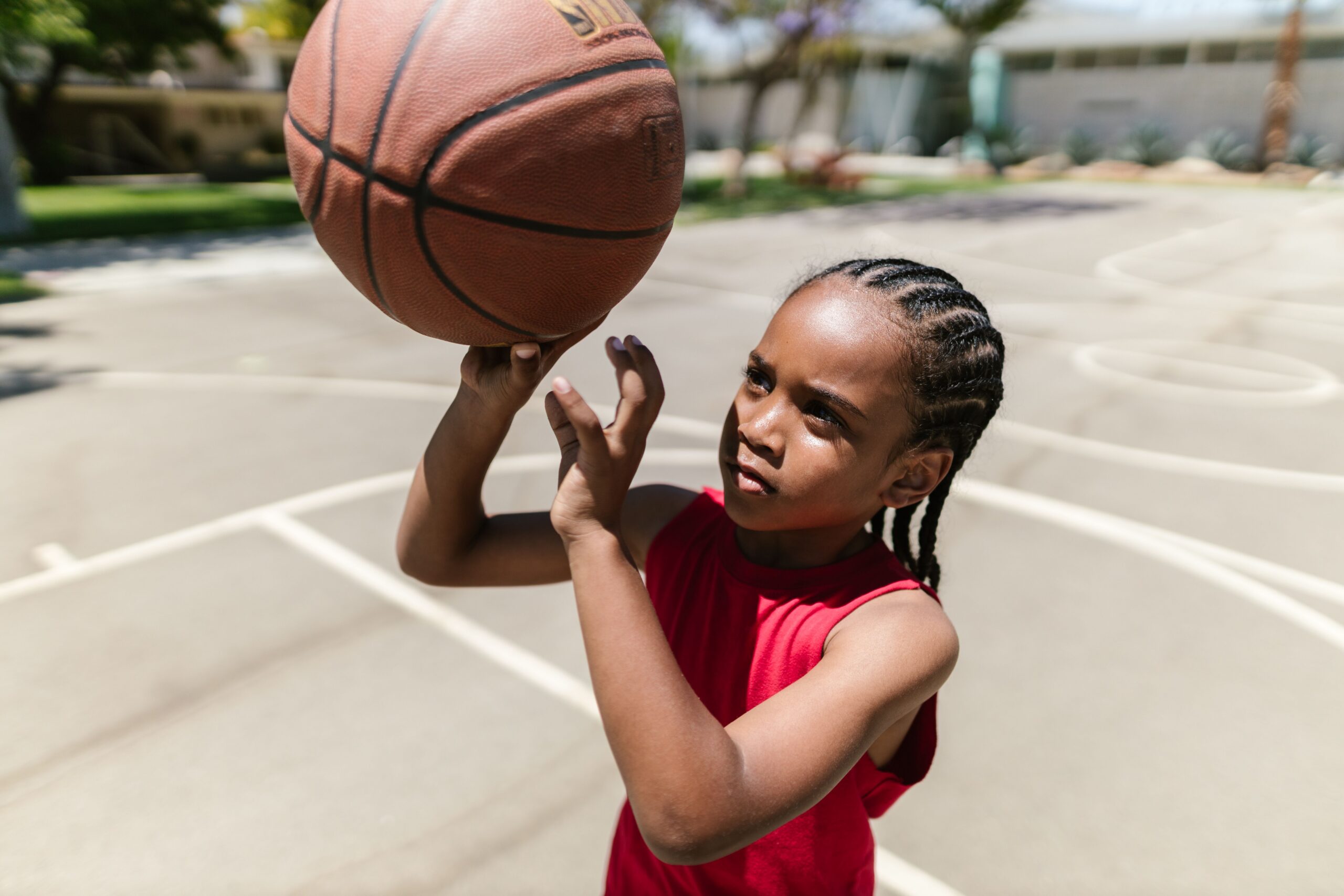
A previous concussion or injury should always be discussed before returning to sports. The CDC recommends that young athletes follow return-to-play guidelines after a concussion and work with healthcare providers before resuming activities.
RELATED: 5 Reasons Why Stretching is Important for Children
Young athletes are especially vulnerable to heat-related illness because their bodies may not adjust to heat as efficiently as adults. The CDC recommends hydration, breaks, and watching for symptoms such as dizziness, weakness, nausea, or confusion during hot-weather activities.
HealthyChildren.org also advises that water is the best choice for most young athletes, with sports drinks generally reserved for longer or more intense physical activity.
A busy sports schedule can make it easy for kids to skip meals or grab whatever is convenient between school and practice. But growing athletes need consistent nutrition to support energy, focus, and recovery.
Encourage your child to eat balanced meals and snacks that include carbohydrates for energy and protein to help their muscles recover. On practice days, pack easy options like fruit, yogurt, nuts, or a sandwich so they aren’t starting activity on an empty stomach.
The growing focus on youth sports nutrition extends beyond the doctor’s office. This summer, Black-owned company FuelBoxx, founded by four-time Emmy Award-winning sports producer Gayle Jones, launched a line of performance nutrition products designed specifically for young athletes. Jones says she created the company after seeing how often children arrived at practices and games under-fueled, relying on chips, candy, or nothing at all.
The launch reflects a broader conversation among parents, coaches, and healthcare professionals about making nutrition part of youth sports preparation—not an afterthought.
HealthyChildren.org notes that children need consistent nutrition to support both their growing bodies and their athletic performance.
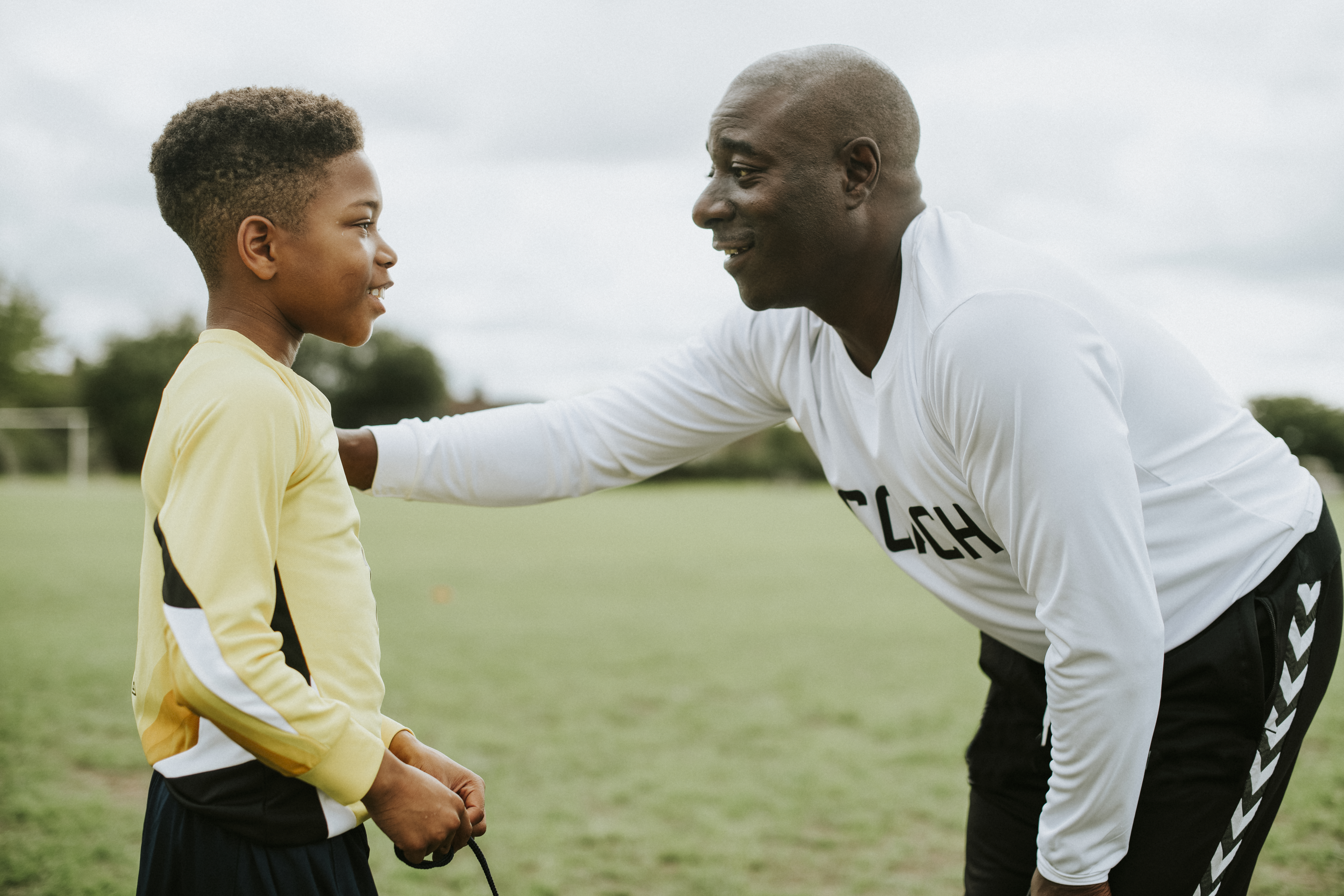
Kids often want to push through discomfort, especially when they’re excited about a sport or worried about letting their team down.
A lot of young athletes—especially competitive ones—may ignore pain or other warning signs because they don’t want to disappoint their coach or teammates. Sometimes our children pick up on the energy around them—the messages about being tough, staying committed, and pushing through challenges.
Those qualities can help young athletes build confidence and resilience.
Remind your child that telling a coach when something feels wrong, taking a break, or asking for help is not giving up. Pain, dizziness, trouble breathing, or feeling unwell are signals their body is sending—not something they have to ignore.
Learning when to speak up is part of being a responsible athlete.
RELATED: Sports Training for Youth Athletes: How Much Is Too Much?
School nurses play an important role in keeping student-athletes healthy throughout the school year.
The school nurse can also help families understand how health needs are managed during the school day, including where medications are stored, who has access to emergency plans, and how information is communicated with coaches and teachers.
Before the season begins, confirm the school has:
RELATED: 8 Signs Your Child Needs Glasses
Screenshot this checklist before the season starts:
✔ Sports physical completed
✔ Medications refilled and updated forms submitted
✔ Asthma/allergy action plans reviewed
✔ Previous injuries discussed with your child’s healthcare provider
✔ Emergency contacts updated with the school
✔ Child knows how to speak up if they feel pain, dizziness, or discomfort
Sports teach children valuable lessons about teamwork, discipline, confidence, and resilience. They should also teach one more lesson: listening to your body is also a strength.
A little preparation before the first practice can help parents feel confident—and help young athletes focus on what matters most: having fun, learning, staying healthy, and playing the sport they love.


By subscribing, you consent to receive emails from BlackDoctor.com. You may unsubscribe at any time. Privacy Policy & Terms of Service.