Finding a clinical trial can often be just the first step for people interested in participating in medical research. Even when you meet the eligibility criteria for a study, participating may require back-and-forth trips to a research or academic center.
A recent study published in JAMA Network Open found favorable trends in participation among people who lived farther from research sites, as well as rural and underrepresented populations, after a decentralized clinical trial (DCT) program was implemented.
Clinical trials are increasingly exploring ways to diversify participants by bringing the research directly to patients rather than requiring them to travel for care.
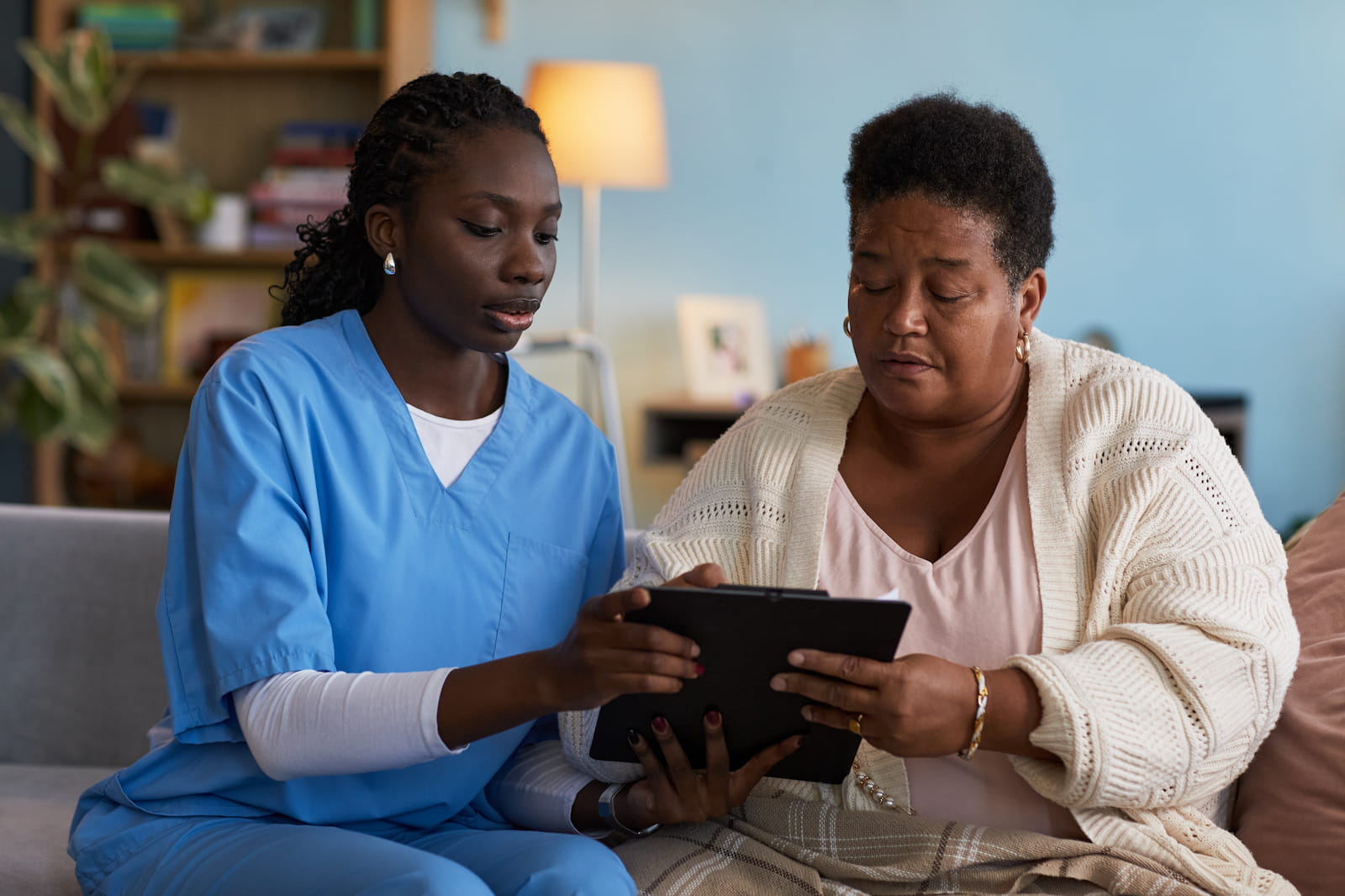
Traditional clinical trials typically require participants to visit a hospital, university, or research center to test the effectiveness of new medical approaches. In contrast, a decentralized clinical trial moves some — or all — trial activities closer to the participant — or even into the participant’s home.
Depending on the study, this might include:
But not every decentralized trial is completely remote. A clinical trial may still require participants to attend some in-person visits or procedures, but still offer more flexibility than traditional trials.
The Mayo Clinic program referenced in the study used remote consent, video telehealth visits, in-home phlebotomy, and device services across its sites. Some remote monitoring and medication-delivery capabilities were available on a more limited basis.
RELATED: 5 Black Clinical Trials FAQs, Answered
Traveling to a clinical trial site can be a huge barrier for some participants.
The most common travel-related barriers include:
The study’s authors noted that time, travel, and financial commitments can make clinical trial participation difficult, particularly when trials are concentrated at academic medical centers.
It’s important to understand that access to potentially life-saving medical research isn’t just about whether a trial exists — it’s also about whether a patient can realistically participate.
The study included 7,469 participants enrolled in 765 decentralized clinical trials between January 2024 and March 2025.
Here were the key clinical findings:
Keep in mind that this study was an observational quality-improvement analysis. The researchers said they could not conclude that the DCT program itself caused these increases. There could be other factors in play that caused greater participation in clinical trials.
Black patients have historically been underrepresented in many clinical trials. Research participation should reflect the populations who may ultimately use the treatments being studied. Bringing some trial activities directly into a patient’s home or community could potentially reduce logistical barriers. But technology and geographic access alone won’t solve every barrier to participation. Trust, awareness of available trials, and relationships with healthcare providers can all influence whether someone participates.
RELATED: Clinical Trials: What Black People Need to Know Before Participating
Rather than driving several hours to a research or academic center for every study visit, a participant might complete some appointments by video, have certain laboratory work performed closer to home or in their home, and use a wearable device to send researchers health information remotely. However, experiences with decentralized clinical trials will depend on which trial you participate in.
Some trials may require 50/50 in-person and at-home care, while others may be done entirely at home. Before you complete forms to participate in a clinical trial, ask the research team how much in-person attendance (if any) is required.
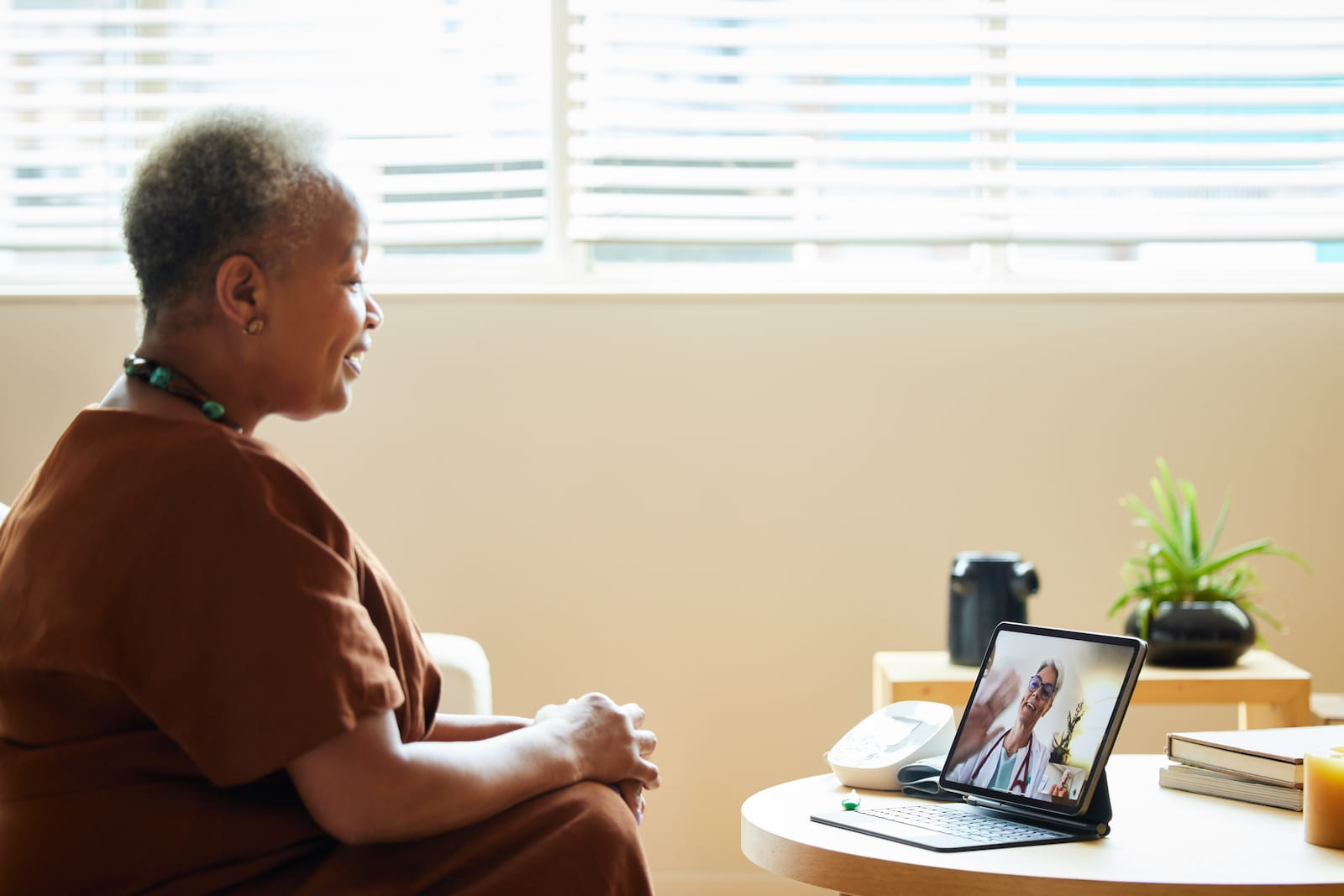
Decentralized clinical trials can provide a greater opportunity to patients who otherwise couldn’t access medical research without worrying about the logistical barriers to potentially life-saving treatment. However, it may not be suitable for everyone.
Here are some questions you can ask the research team to see if a decentralized clinical trial is right for you:
Patients shouldn’t assume a clinical trial is out of reach simply because the research center is far away. Ask the study team what parts of participation can happen remotely or closer to home.
If you’re interested in participating in a clinical trial, visit BlackDoctor’s Clinical Trials Resource Center to find open trials for your health condition.

By subscribing, you consent to receive emails from BlackDoctor.com. You may unsubscribe at any time. Privacy Policy & Terms of Service.