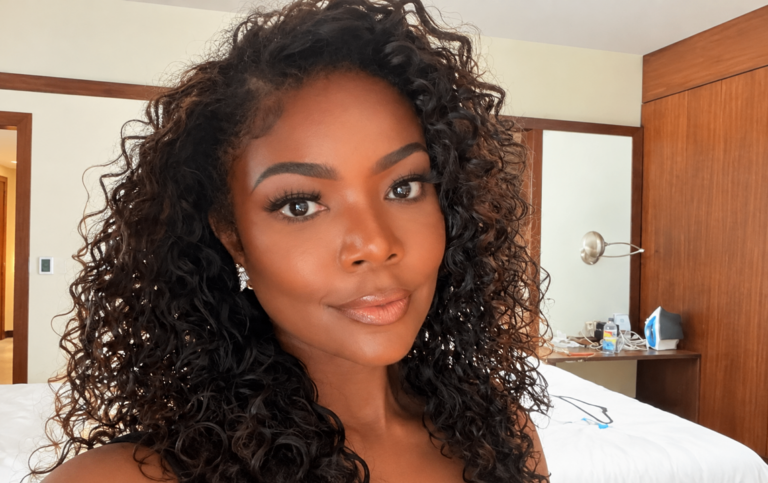
Gabrielle Union is getting candid about menopause. In a January interview with EatingWell, she described hot flashes beginning in her late 30s and the isolation she initially felt. Speaking as part of a Bayer partnership, Union encouraged women to seek support and discuss treatment options. Her perspective:
“At first, it was just shame,” confesses the Bring It On and Deliver Us From Eva star. “I was embarrassed and wanted to hide. My symptoms started in my late 30s, and not many people in my peer group were experiencing that yet, so I felt very alone. Over time, though, learning more and talking about it helped me feel empowered. I realized I could ask for grace, from myself and from others. A hot flash doesn’t change who I am or what I have to say. It’s just something happening in my body, and life goes on.”
For Black women, that conversation carries particular weight. Research shows that the menopause transition can begin earlier and bring a heavier symptom burden than it does for White women. Yet Black women are also less likely to receive treatment for some of those symptoms. Understanding these differences can help women recognize what is happening—and get care sooner.
Menopause is reached after 12 consecutive months without a menstrual period, when there is no other medical explanation. The transition leading up to it, called perimenopause, involves changing hormone levels and can last for years.
During this time, women may experience irregular periods, night sweats, sleep problems, vaginal dryness, painful sex, mood changes, difficulty concentrating, and joint or muscle discomfort. Symptoms vary considerably: some women have relatively few, while others find their daily lives significantly disrupted. Most women begin the transition between ages 45 and 55, although it can happen earlier.
Symptoms alone do not establish a menopause diagnosis. Changes that interfere with sleep, work, relationships, or everyday functioning deserve a conversation with a healthcare professional.
“I wish I had known I wasn’t defective,” explains Union. “And that this is something so many women experience. There’s nothing shameful about it, and there are options. Asking questions and advocating for yourself makes a huge difference.”
The Study of Women’s Health Across the Nation, known as SWAN, has followed a diverse group of women through midlife. Its findings help explain why a single description of menopause cannot capture everyone’s experience.
Menopause may happen earlier. A review of SWAN research found that Black participants experienced their final menstrual period more than eight months earlier, on average, than White participants. This is a group average, not a prediction for any individual woman.
Hot flashes can persist longer. SWAN research found that frequent hot flashes and night sweats lasted a median of 7.4 years overall. Black women reported the longest duration—approximately 10.1 years. These symptoms can begin before the final menstrual period and continue afterward. A median describes the midpoint; some women experience symptoms for less time and others for longer.
Sleep may take a greater hit. In SWAN sleep studies, Black women had shorter sleep duration and lower sleep efficiency than White women on objective measurements. Financial hardship, health problems, and hot flashes helped account for some of the differences.
Treatment does not always match the need. Despite greater symptom burden, Black women in SWAN were less likely to receive treatment for hot flashes and depression. That gap matters when symptoms are affecting a woman’s ability to rest, function, and feel like herself.
There is no single explanation, and researchers have not fully accounted for the disparities. Race alone does not explain an individual woman’s biology or menopause experience.
Research points to a combination of health, environmental, and social influences. Smoking, body composition, anxiety, and psychosocial stress are associated with hot-flash burden. Access to care and the conditions in which women live also shape their experiences.
Discrimination may contribute, too. A SWAN analysis found that women reporting more everyday discrimination were more likely to report hot flashes and night sweats. Chronic discrimination was also associated with persistently high symptom reporting. However, accounting for discrimination did not eliminate the differences between Black and White women. These findings show an association; they do not establish that discrimination directly causes hot flashes. PMC
The implication is clear: menopause care needs to consider the whole person, including her symptoms, medical history, stress, and ability to access treatment.
Women do not have to wait until their periods stop completely to discuss symptom relief.
Systemic menopausal hormone therapy is the most effective treatment for hot flashes and night sweats. Whether it is appropriate depends on personal risks, medical history, and treatment goals. Women who have a uterus generally need a progestogen along with systemic estrogen to protect the uterine lining.
Nonhormonal options include certain antidepressants, gabapentin, and neurokinin receptor antagonists. Cognitive behavioral therapy may also help with menopause-related symptoms, sleep, and mood. Treatment should be selected with a clinician who can explain the expected benefits, side effects, and any monitoring required.
Vaginal dryness and painful sex deserve attention as well. Lubricants and vaginal moisturizers can help, while prescription options include low-dose vaginal estrogen.
Before a visit, keep a brief record of changes in your periods, hot flashes, sleep, mood, and sexual comfort. Describe their practical impact: waking repeatedly at night, struggling to concentrate, or avoiding intimacy because of pain.
Useful questions include:
Any bleeding after 12 months without a period should be evaluated. Heavy bleeding or spotting between periods also warrants medical attention.
For Black women navigating this transition, being heard should be part of the standard of care. Menopause may be a normal stage of life, but symptoms that disrupt your life deserve attention, treatment, and follow-through.
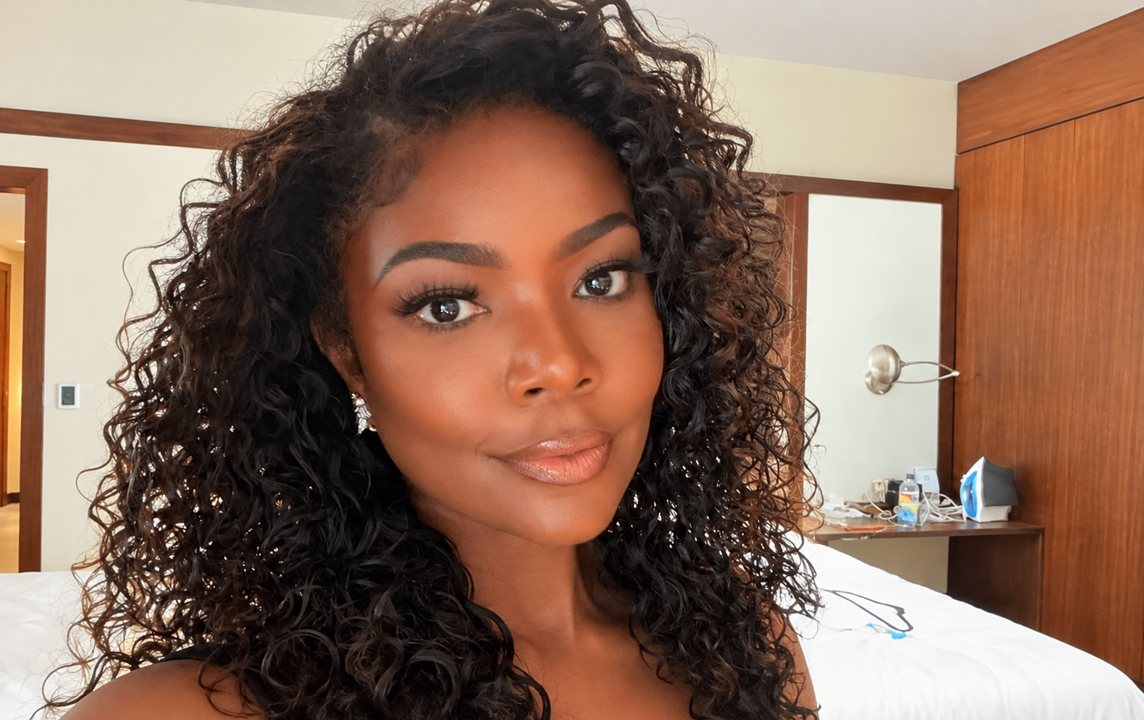
“Every woman’s experience is different,” explains the 54-year-old Gabby. “And what works for one person may not work for another. Having open conversations with your healthcare provider is essential.”


By subscribing, you consent to receive emails from BlackDoctor.com. You may unsubscribe at any time. Privacy Policy & Terms of Service.