Sending people bundles of healthy food can help them lose pounds and reduce blood pressure, a new study says.
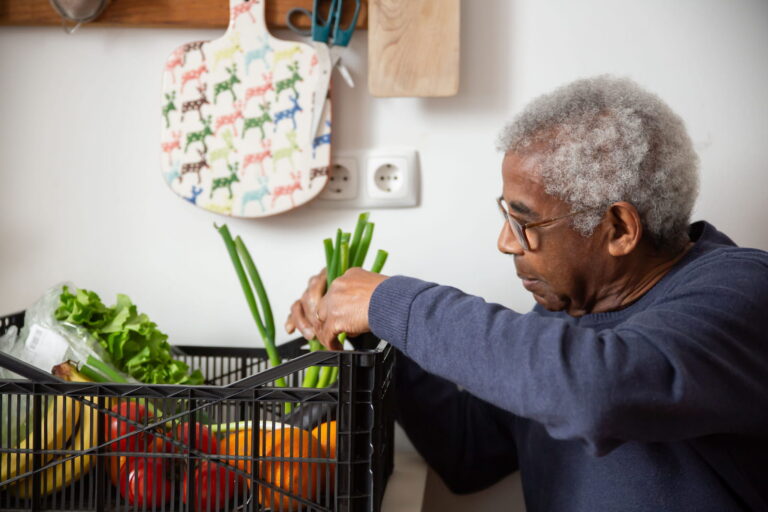
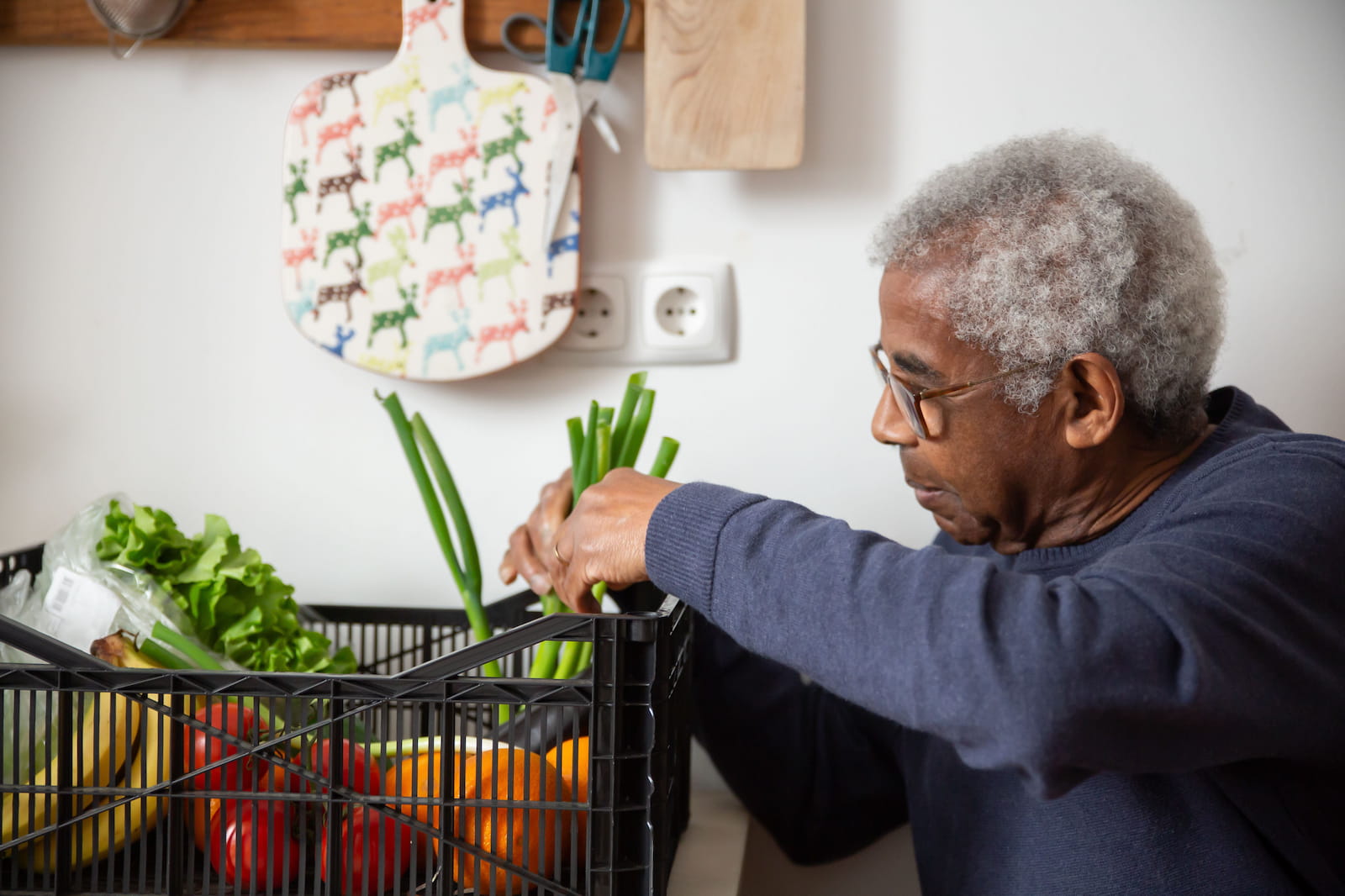
People who received plant-based grocery packages from a Boston-area food pantry were in better overall health after a couple of years, researchers report in the October issue of the journal Preventing Chronic Disease.
The packages included enough food for three meals per day for one week, and consisted of fresh fruits and veggies, canned beans, nut butter, and whole grains, researchers said.
“Our results suggest that plant-based food interventions are promising and, in the future, should focus on longer duration for improving cardiovascular and metabolic health,” senior researcher Dr. Lauren Fiechtner said in a news release. She’s division chief of pediatric gastroenterology, hepatology and nutrition at Mass General Brigham for Children in Boston.
The new study involved 68 adults participating in a “Food Is Medicine” program run through a Mass General Brigham community health center’s food bank.
These folks received an average of 97 plant-based food boxes for a little more than two-and-a-half years. Participants were invited to receive weekly food packages for as long as they liked.
Prior studies have shown that providing healthy food to sick people can help manage diseases like type 2 diabetes and high blood pressure, researchers noted.
However, most “Food Is Medicine” studies only examine short-term impacts, following participants for weeks or months, researchers said. This study set out to see how years of healthy food packages can affect long-term health.
Results indicate that for every 100 food packages a person received, they experienced a 3.2-point decline in their diastolic blood pressure (the pressure between heartbeats); lost nearly 6 pounds of body weight; and had their Body Mass Index, an estimate of body fat, drop by a point.
The program also helped lower systolic blood pressure among patients with high blood pressure. (Systolic blood pressure, the top number in a blood pressure reading, is the force in one’s arteries when the heart beats.)
People who asked for more food packages showed even larger improvements, researchers said.
“This paper has the potential to change the conversation about ‘Food Is Medicine’ interventions,” lead researcher Dr. Jacob Mirsky, a primary care physician at Mass General Brigham Revere Community Health Center, said in a news release.
“We are boldly advocating for high potency interventions that focus on frequent, high-quality, high-quantity food packages over long periods of time so that patients have the greatest chance of benefiting,” Mirsky said.
RELATED: This Clinical Trial Can Help End Resistant High Blood Pressure
Food-as-Medicine (FIM) programs integrate nutritious food, medical care, and dietary support to prevent, manage, and treat diet-related chronic conditions such as diabetes, hypertension, and heart disease.
There are several FIM programs available, including:
Researchers are increasingly studying food access as part of disease prevention because poor nutrition — which is driven by a lack of affordable, healthy options — is a leading cause of chronic illness and preventable deaths in the United States.

So how does this study tie into the Black community? Research shows that Black adults experience higher rates of high blood pressure than any other racial or ethnic group in the United States. High blood pressure is a major risk factor for stroke, heart attack, and kidney disease.
Even modest blood pressure reductions can lower the risk of long-term health complications. Strategies such as grocery packages could make healthy eating more accessible and support heart-health efforts.
RELATED: Can Personalized Telehealth Help Black Patients Control High Blood Pressure?
Clinical trials aren’t testing only medications. Researchers are also studying nutrition, lifestyle interventions, and community-based health programs. Studies like this Food-as-Medicine program help determine whether food-focused interventions can improve outcomes and reduce healthcare costs.
If you’ve had concerns about invasive clinical trials but want to contribute to research, consider exploring nutrition studies. You can visit BlackDoctor’s Clinical Trials Resource Center to find open trials near you.
More information
Tufts University has more about “Food Is Medicine.”
SOURCE: Mass General Brigham, news release, Oct. 2, 2026


By subscribing, you consent to receive emails from BlackDoctor.com. You may unsubscribe at any time. Privacy Policy & Terms of Service.