Black women are three times more likely to get lupus than white women. They often develop it at a younger age and have more severe symptoms. Lupus is a long-term autoimmune disease that can affect many parts of the body. In lupus, the immune system, which usually fights infection, goes into overdrive and attacks the body’s own tissues.
“An easy way to think about ‘autoimmune’ is that the immune system is out of control; instead of fighting off an infection, it attacks your body,” explains Rosalind Ramsey-Goldman, MD, Gallagher Research Professor of Rheumatology and Professor of Medicine at Northwestern University.
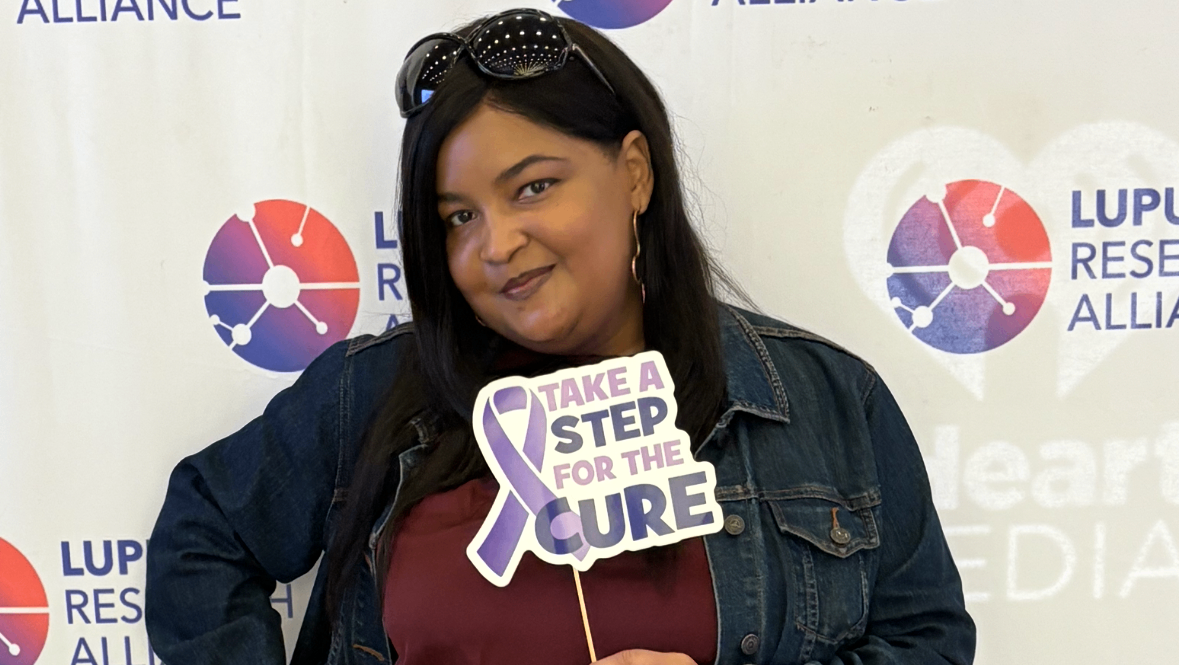
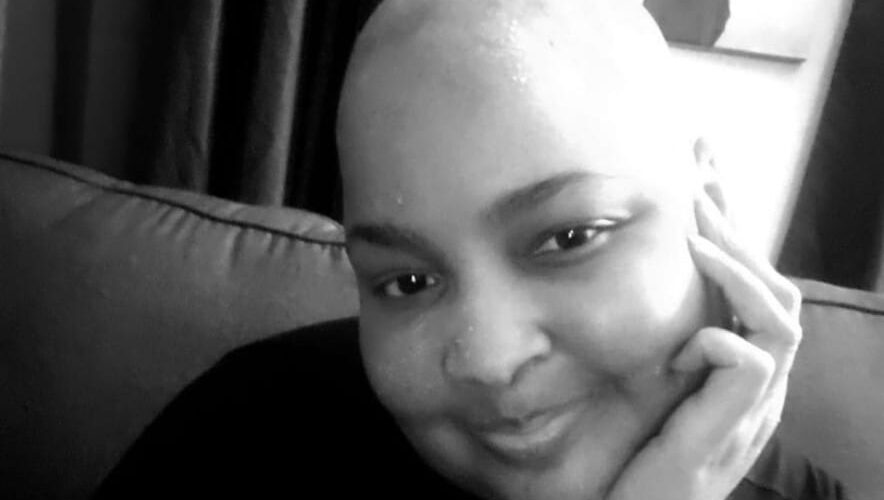
Kaamilah Gilyard’s health challenges started early, with open-heart surgery at age three for a heart defect. She understands what it means to live with lupus, having been officially diagnosed in 1998 when she was 17.
“I’ve always had a cardiologist,” Gilyard shares, noting that although she was born with a heart defect, lupus didn’t start affecting her heart health until 2015. She was eventually diagnosed with several overlapping conditions, including:
“It was more lung issues and inflammation throughout my body—hair loss and things like that,” she adds. “I had to get specialist cardiologists and a specific heart failure doctor. I was going in and out of the hospital every other month with heart issues. I was put on medication for all those things, and I’m still on medication for some of those now. It’s been a rough ride.”
RELATED: I Was Diagnosed with Lupus at 21 — It Changed How I See Everything
Women with lupus between the ages of 15 and 44 have a two to three times higher risk of heart disease. Some studies show their risk of a heart attack can be up to 50 times higher than in the general population for this age group, Dr. Ramsey-Goldman tells BlackDoctor.
Heart and kidney damage also happen more often and earlier—by three to nine years—in Black women compared to white women.
“Most of the time, you don’t think of heart disease as being a problem in a young woman… This heightened risk is driven by chronic inflammation—with the immune system in overdrive—and it can be mediated by stress,” Dr. Ramsey-Goldman notes.
She also points out how the environment plays a role: “Racial discrimination was linked to allostatic load… cumulative stress, which caused the metabolic disturbances: high blood pressure, high glucose, and high cholesterol levels.”
It can be hard to tell the difference between a regular lupus flare and a heart problem. Gilyard watches for certain signs that mean she needs medical help right away:
Dr. Ramsey-Goldman points out that women, especially Black women, may have less common signs like jaw pain, shoulder pain, or stomach problems that are too often overlooked.
“Pain is frequently dismissed in this population and attributed to anxiety… If you see there is a difference in the pattern of your symptoms, or a new symptom, you want to contact somebody to see if there’s a problem. If your doctor’s not paying attention to it, find somebody else,” she says.
Managing heart failure and lupus takes careful daily routines:
“To differentiate, I keep a journal that I take to my doctor’s appointments. I have a team of doctors; I like to call them ‘The Avengers,’ and I’m Nick Fury. I have my primary care physician, who is the quarterback of the team. I have my rheumatologist that I see every six weeks and a cardiologist that I see at least every three to four months,” Kaamilah explains.
Dr. Ramsey-Goldman agrees that this team approach is non-negotiable.
“You need a team to help… I chose rheumatology because I like to talk to people and listen to them, but I’m not a specialist in everything. Lupus is just like the medications you take: you need a lot of them, and you need a lot of people involved,” she adds.
Gilyard also shows how important it is to get medical help when symptoms appear.
“When I get certain cardiac symptoms, I know to call my rheumatologist and my cardiologist right away. Chest pain is one, because that could be a number of things—pericarditis, pleurisy, a number of different things. Even as knowledgeable as I am about my body, I still need medical help. I need to consult a physician,” Gilyard adds.

For Gilyard, triggers like shortness of breath can mean her heart failure is getting worse. Heart palpitations, or tachycardia, are other warning signs.
“If I’m taking my blood pressure, which I do every morning and every night, and I see that my pulse is racing, that’s something I need to talk about,” she explains.
She also monitors for unexplained weight gain. “I check my weight every morning and every night. Sometimes your ankles swell depending on whether you’re on your feet, but if they look swollen, I do the pressure test where I put my fingers on my ankle, press down for five seconds, and see how long it takes to rebound. My cardiologist told me: if you gain over two pounds in a day, you need to contact me,” Gilyard explains.
She also draws attention to the persistent exhaustion that people living with lupus face. “We’re tired all the time with lupus, but if it’s a sudden onset and I just can’t drag myself out of bed, that’s another reason to send a text to my rheumatologist,” she says.
For her, the key to managing her lupus is consistency. “Be consistent with your medication. It’s hard because we take a lot of medication, but staying on top of it is vital. If you’re having trouble, you have to admit that to your doctors. A lot of times, we want to act like the best patient, but it’s hard. You have to be honest with yourself. If you aren’t getting physical activity or eating right, you have to try to make changes,” she adds.
Gilyard stresses how important it is to have a positive attitude and support from others:
Despite the lack of a cure, Gilyard remains optimistic due to the advancement of new treatments beyond standard steroids. Dr. Ramsey-Goldman points out that older, harsher treatments are being replaced. “We do have new medications so that we don’t have to resort to [older chemotherapy drugs] so often these days… I’m hoping that this new era of lupus medications decreases the frequency of premature menopause for our patients,” she says.
Looking back on her own experience, when steroids were the only treatment available at her diagnosis, Gilyard sees these new advances as promising and a reason to feel hopeful.
“Keep a positive mindset. When you have issues like heart health, it’s easy to be scared. If you’re getting misinformation, you may think, ‘Oh my God, I’m going to die.’ But that’s not always the case. You have to have hope,” she concludes.
The Lupus Research Alliance’s “Hope in Action” campaign for Lupus Awareness Month highlights “The Future of Lupus” by turning hope into action. The campaign features new advances in personalized medicine and innovative treatments, encouraging the community to join clinical trials and get involved in advocacy. By linking scientific progress to real patient stories, the campaign helps everyone, even those with serious complications, take control of their care.


By subscribing, you consent to receive emails from BlackDoctor.com. You may unsubscribe at any time. Privacy Policy & Terms of Service.