I’ve had a longstanding professional interest in cultural perspectives on obesity – particularly among African American women. In fact, it was a central focus of my doctoral studies. I conducted my research between 2001 and 2005, but I continue to be intrigued by the social and cultural meanings ascribed to body size and shape. These meanings vary by race and ethnicity, social class, religion, country of birth, whether you live in the North, South or on the West coast of the U.S., and a host of other factors. Scholars have analyzed obesity and body size among women from the standpoints of feminism, capitalism, psychology, philosophy, Foucauldian power relations, sociology, and anthropology. Representations and explorations of the large Black female body are also found in poetry, literature, and the visual arts.
During my graduate studies, I concentrated on applying theoretical perspectives from the humanities and social sciences to my thinking about how we might develop public health strategies to reduce the prevalence of obesity among African American women. From the perspective of public health, obesity is a risk factor associated with the development of chronic diseases such as high blood pressure, type 2 diabetes, some forms of cancer, heart disease, and arthritis, to name a few. I loved the depth and the breadth of my studies and the opportunity to explore the complexities of body size and weight in more than medical terms.
For over two decades, the Centers for Disease Control and Prevention (CDC) has supported a broad range of public health initiatives to promote healthy eating, increase physical activity, and support healthy weights. Yet a recent report indicates that even though increases in obesity prevalence have slowed or even stopped for some groups, obesity prevalence remains high (Ogden, C.L., Carroll, M.D., Kit, B.K., Flegal, K.M. JAMA, 2/26/2014, Volume 311, Number 8, p: 806-814 ). In this study of adults 20 years and older, authors defined obesity as having a Body Mass Index (BMI) greater than or equal to 30. They further divided obesity into grades – grade 1 (BMI 30-34), grade 2 (BMI 35-39) and grade 3 (BMI >40).
SIGN UP FOR OUR NEWSLETTER HERE!
Authors found an age adjusted prevalence of overweight and obesity (BMI >25) for non-Hispanic Black adults aged 20 years and older of 76.2% in 2011-2012. Looking more closely at the data by sex, 69.2% of non-Hispanic black men were overweight or obese and 82.0% of non-Hispanic black women were overweight or obese. For obesity grade 3, 12.1% of non-Hispanic blacks aged 20 years and older were in this category compared to 5.6% of non-Hispanic whites, 0.9% of non-Hispanic Asians, and 5.8% of Hispanic persons in this age range. The age adjusted prevalence of obesity grade 3 among non-Hispanic black women was 16.4% – more than double the prevalence for their non-Hispanic white, non-Hispanic Asian, and Hispanic female counterparts combined.
According to the CDC Health Disparities and Inequalities Report (2013), obesity prevalence increased among men between 1999-2002 and 2007-2010. The numbers also went up for women but the increase was not statistically significant. Adults as well as children are affected by obesity. For more information about the prevalence of obesity for all age groups visit the website for CDC’s Division of Nutrition, Physical Activity, and Obesity (DNPAO).
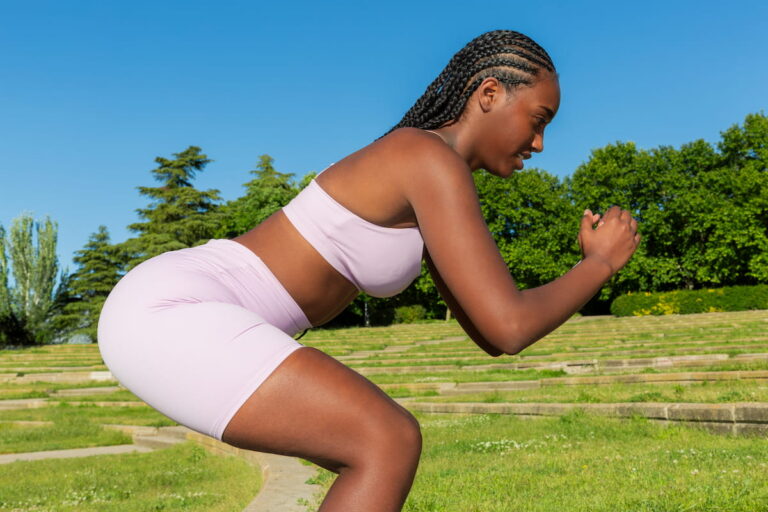
I “see the faces” and the bodies reflected in these data as I move about my African American community. Earlier this year I joined a gym in my neighborhood. Every time I go, I am personally and professionally inspired. People of all body shapes and sizes, varying physical abilities, diverse racial and ethnic groups, and ages are members of this gym.
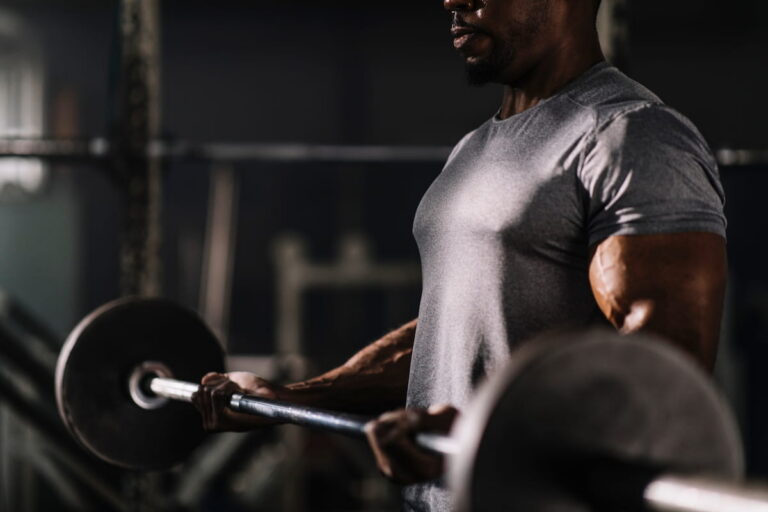
I quickly observed a pattern related to who works out in different sections of the facility. For example, the basketball court is used mostly by young men (<30 years) who are tall and lean while the pool is used primarily by women who tend to be larger (obesity grades 1, 2, and 3), 40 years of age and older, and who participate in the water aerobics classes. I was sharing my observations with a friend recently who was visiting from out of town. She also loves water aerobics, and mentioned that there are five men in her class who come regularly. She noticed that of these men, three are easily more than 200 lbs. above a healthy weight. They are young adults who tend to be playful and competitive in class. During her times in the gym, she said she had never seen them in the free weights area where the arguably serious weightlifters – mostly men, workout, or in the cardio area using the treadmill or stationery bike. She believes they may have found their wellness in the water.
How much do we understand about the experience of being morbidly obese among men of color? (Ryan, Donna H., Kushner, Robert. “The State of Obesity and Obesity Research” JAMA, October 27, 2010 – vol 304, No. 16, p: 1835-1836). In addition to the health effects of obesity grade 3, what are the social, economic, and cultural implications for men? Sander Gilman, in his book “Fat Boys: A Slim Book” argues “The fat male body generates multiple meanings, many of which present a quite different set of images than do those of the fat, female body. These meanings are complex, often contradictory, yet unexamined historically. …The general view is that men have a problem, but it is not as much a problem as the anxiety that women have about their bodies. …” (p. 6).
Do you agree with Dr. Gilman’s analysis here? As a society, are we more accepting of obese men? How can we support men in pursuing healthy weights?
To read more articles from Dr. Liburd, click here.


By subscribing, you consent to receive emails from BlackDoctor.com. You may unsubscribe at any time. Privacy Policy & Terms of Service.