Some people with sleep apnea might be able to shed their CPAP masks in favor of a once-nightly pill, a new study says.
The experimental pill, called AD109, helps treat sleep apnea by making a person’s airways resistant to collapse, researchers say.
In clinical trials, people taking the pill saw their breathing interruptions decrease by about 44 percent compared to almost 18 percent for those taking a placebo, researchers reported May 18 in the American Journal of Respiratory and Critical Care Medicine.
Importantly, nearly 18 percent achieved complete control over their sleep apnea, researchers said.
“These results provide encouraging evidence that targeting neuromuscular dysfunction can translate into meaningful clinical outcomes, aligning with our evolving understanding of the disease biology,” said lead researcher Dr. Patrick John Strollo, a sleep medicine physician at the University of Pittsburgh Medical Center.
Obstructive sleep apnea occurs when a person’s throat muscles relax and block the airway, leading to brief pauses on and off during sleep, according to Mayo Clinic.
Continuous positive airway pressure (CPAP) machines are the gold standard treatment for sleep apnea, but many patients find them intolerable, Strollo said. People must sleep with a mask strapped to their face, next to a machine that can be noisy.
This new pill could provide an alternative to CPAP, researchers said.
“In many other chronic diseases, such as cardiovascular disease, asthma, or type 2 diabetes, it would be unthinkable for the majority of diagnosed patients to remain untreated or undertreated. Yet that remains the reality in OSA,” Strollo said in a news release.
“An oral pill that targets the underlying neuromuscular drivers of airway collapse during sleep could help address this gap and broaden the range of effective options for patients who remain untreated today,” he said.
The pill combines two medications, aroxybuytinin and atomoxetine, which together work to resist the tendency of airway muscles to relax during sleep, researchers said.
The new clinical trial involved 318 people with sleep apnea who were randomly chosen to take AD109, along with another 319 people provided a placebo.
Results showed that AD109 reduced sleep apnea severity among more than 40 percent of patients, and led to complete disease control in nearly 18 percent.
Patients also had fewer nightly drops in their blood oxygen levels, researchers found.
The drug’s most common side effects were dry mouth, nausea, insomnia, and difficulty urinating. About 21 percent of patients stopped therapy due to side effects.
AD109 has received Fast Track designation from the U.S. Food and Drug Administration (FDA) for expedited review. Its developer, Apnimed, has submitted a new drug application to the FDA.
Apnimed funded this clinical trial.
RELATED: Can’t Sleep? 5 Most Common Sleep Disorders in Black People
Black Americans face disproportionately higher rates of obesity, hypertension, and diabetes, which can significantly increase the risk of sleep apnea. Additionally, sleep apnea often goes undiagnosed in Black adults, with one study finding nearly 95 percent of Black participants with sleep apnea were undiagnosed and untreated. Structural barriers, such as a shortage of sleep specialists, high out-of-pocket costs, and geographic location, can prevent Black people from accessing sleep testing and specialty care.
If sleep apnea is left untreated, it can lead to serious short- and long-term complications, including high blood pressure, heart attack, stroke, type 2 diabetes, and liver problems. It can also cause cognitive and emotional problems, including daytime fatigue, accidents, and mood and memory issues.
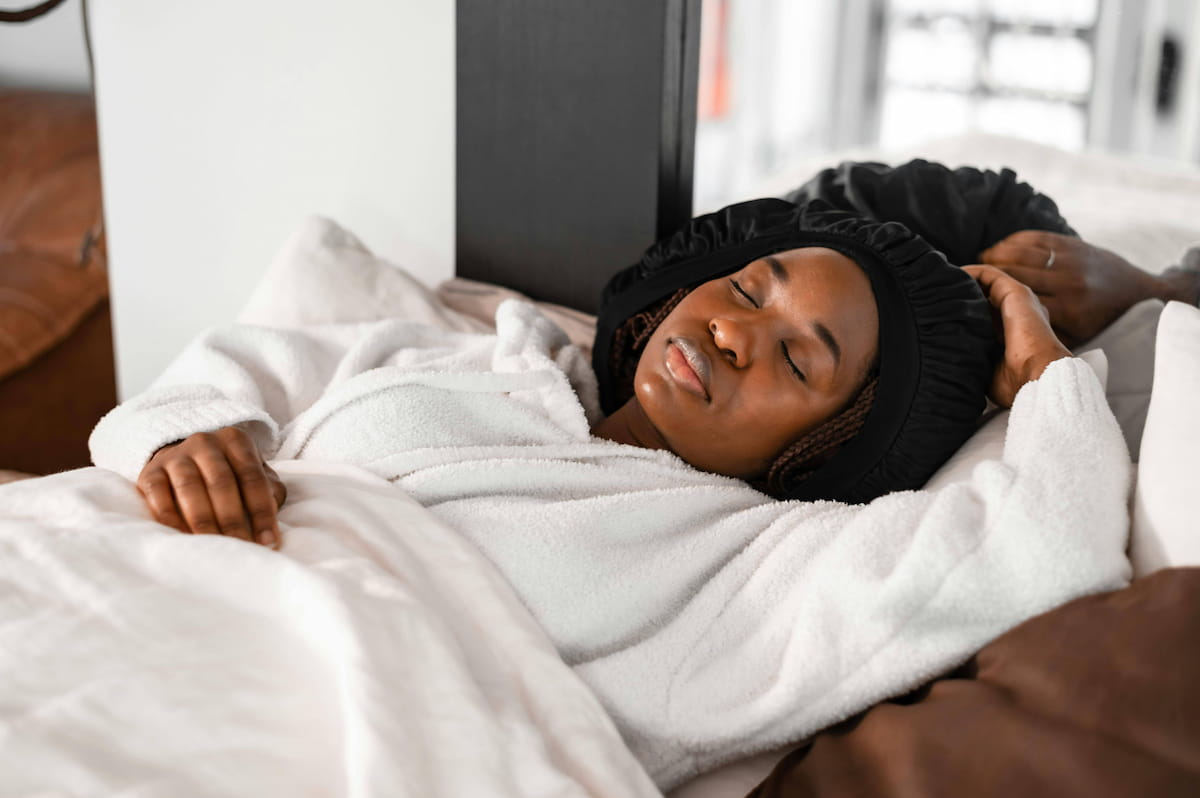
While CPAP machines are highly effective treatments for sleep apnea, they’re not a one-size-fits-all approach. Discomfort, noise, inconvenience, and cost can make it difficult for some people to use consistently. In addition, long-term adherence to continuous CPAP therapy is significantly low, often falling below 30 percent.
Black patients may also face barriers to accessing CPAP machines, including:
RELATED: Hidden Warning Signs of Sleep Apnea
The sleep apnea pill, AD109, is a combination of two medications — aroxybutynin and atomoxetine — that work by stimulating upper airway muscles to prevent airway collapse during sleep. This process is much different from CPAP machines, which rely on forced air to keep the throat open.
The pill has shown strong results in Phase 3 clinical trials, reducing breathing disruptions and improving blood oxygen levels. AD109 is not yet FDA-approved, so it will need to undergo further testing before it is widely available.
A new clinical trial is showing promising results of a pill that may help treat obstructive sleep apnea. For Black patients who may face barriers to accessing a CPAP machine, this new pill could make treatment more accessible and reduce the risk of serious complications linked to untreated sleep apnea. While larger studies are needed to test AD109 further, it offers hope to many people still struggling with sleep apnea.
More information
The Sleep Foundation has more on obstructive sleep apnea.
SOURCE: American Thoracic Society, news release, May 18, 2026; American Journal of Respiratory and Critical Care Medicine, May 18, 2026


By subscribing, you consent to receive emails from BlackDoctor.com. You may unsubscribe at any time. Privacy Policy & Terms of Service.