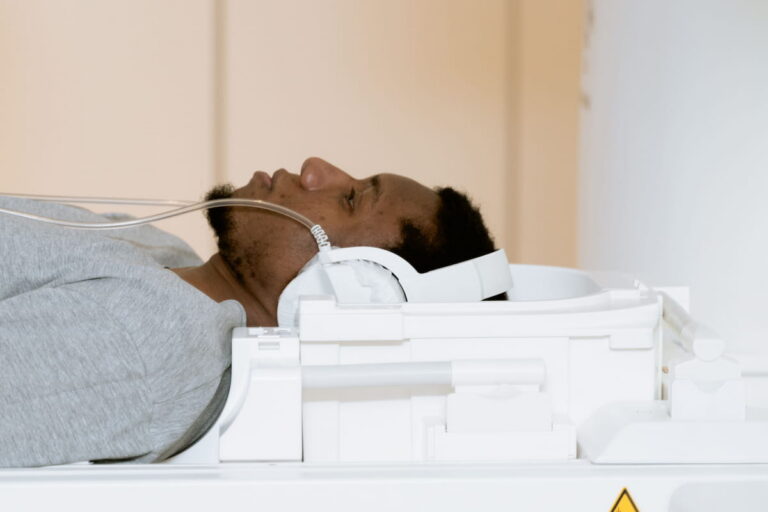
Digestive problems, such as indigestion, stomach pain, and diarrhea, are often dismissed, normalized, or even kept private in some Black families and communities. While we’re a bit more open to discussing heart disease, high blood pressure, and diabetes, one condition is rarely discussed: inflammatory bowel disease (IBD).
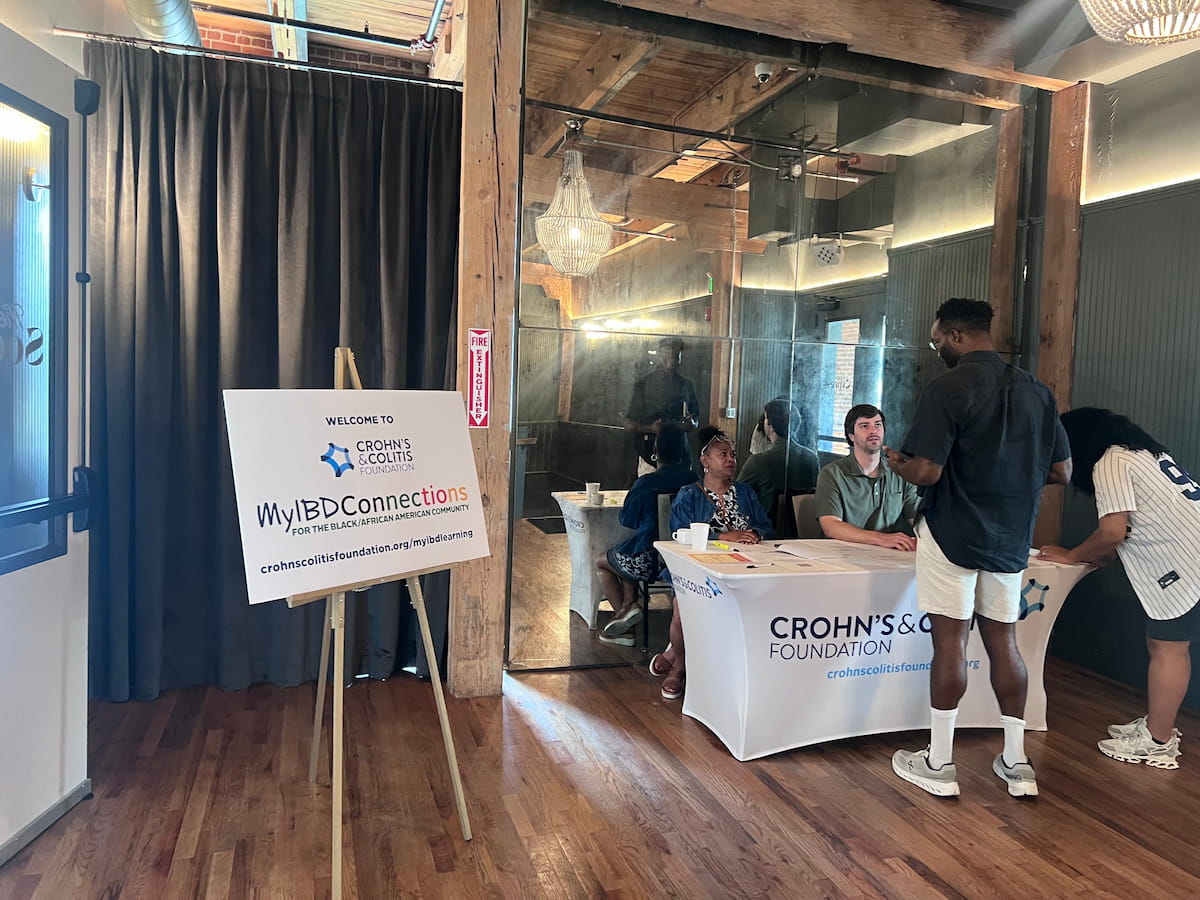
In recognition of World IBD Day, Crohn’s & Colitis Foundation hosted its educational initiative, MyIBD Connections for the Black/African American Community, in Birmingham, Alabama. The initiative aims to inform, empower, and support Black people who may face disparities in IBD symptoms, diagnosis, and treatment.
IBD is a group of chronic conditions that cause inflammation and damage in the digestive tract. The two main types of IBD are Crohn’s disease and ulcerative colitis (UC).
Common IBD symptoms include:
While there is no cure for IBD, many people manage symptoms through medication, dietary changes, and ongoing medical care.
People often mix IBD with irritable bowel syndrome (IBS), which shares a few similar symptoms. However, the main difference is that IBD is an autoimmune disease, causing long-term inflammation and tissue damage. In contrast, IBS is a gastrointestinal disorder in which the digestive system appears normal but doesn’t function properly.
Over the past 40 years, IBD rates have increased three times faster among non-white populations. Additionally, studies show that IBD can affect Black patients differently than white patients.
Black patients with IBD are more likely to face complications and barriers to care, including:
More awareness of IBD and how it affects Black communities can empower people to seek care and start the path to healing and recovery.
Birmingham reflects a broader issue across the South, where access to digestive health specialists remains limited. In the South, many Black communities are facing significant disparities in healthcare access. In fact, research shows that the South has the fewest gastroenterologists, including providers experienced in treating IBD, making it difficult for people to find adequate care. This disparity adds to the many other challenges Black patients can face, including transportation and insurance barriers, chronic stress, and food insecurity.
MyIBD Connections brings together IBD patients, caregivers, and healthcare professionals from diverse backgrounds to provide culturally relevant education and resources focused on the latest developments in IBD research, treatments, and therapies.
In 2026, the Crohn’s & Colitis Foundation will host seven MyIBD Connections programs for the Black/African American Community across the United States. Additional information and a full list of events can be found on the Foundation’s MyIBD Learning Events page: MyIBD Learning Events | Crohn’s & Colitis Foundation.
Gut health must become part of the conversation in Black families and communities. Persistent stomach pain, diarrhea, blood in the stool, or unexplained weight loss should not be ignored. Greater awareness can reduce stigma, encourage earlier diagnosis, and help people access treatment before symptoms become severe. Our community deserves earlier diagnosis and equitable, culturally sensitive care.

By subscribing, you consent to receive emails from BlackDoctor.com. You may unsubscribe at any time. Privacy Policy & Terms of Service.