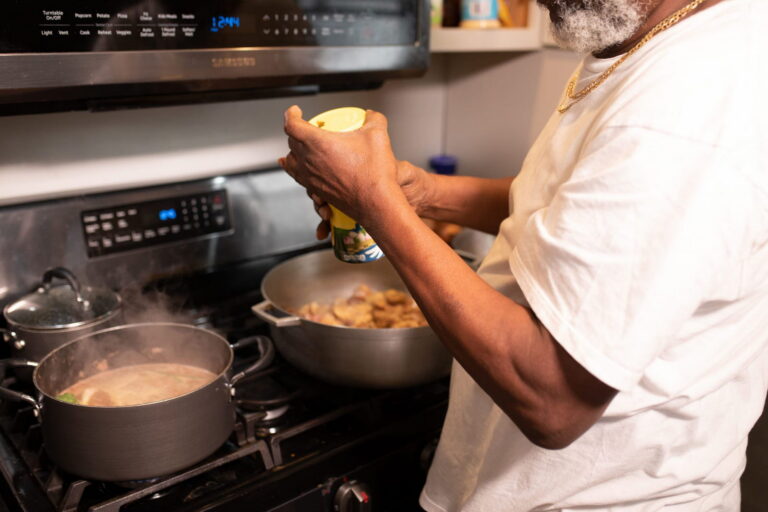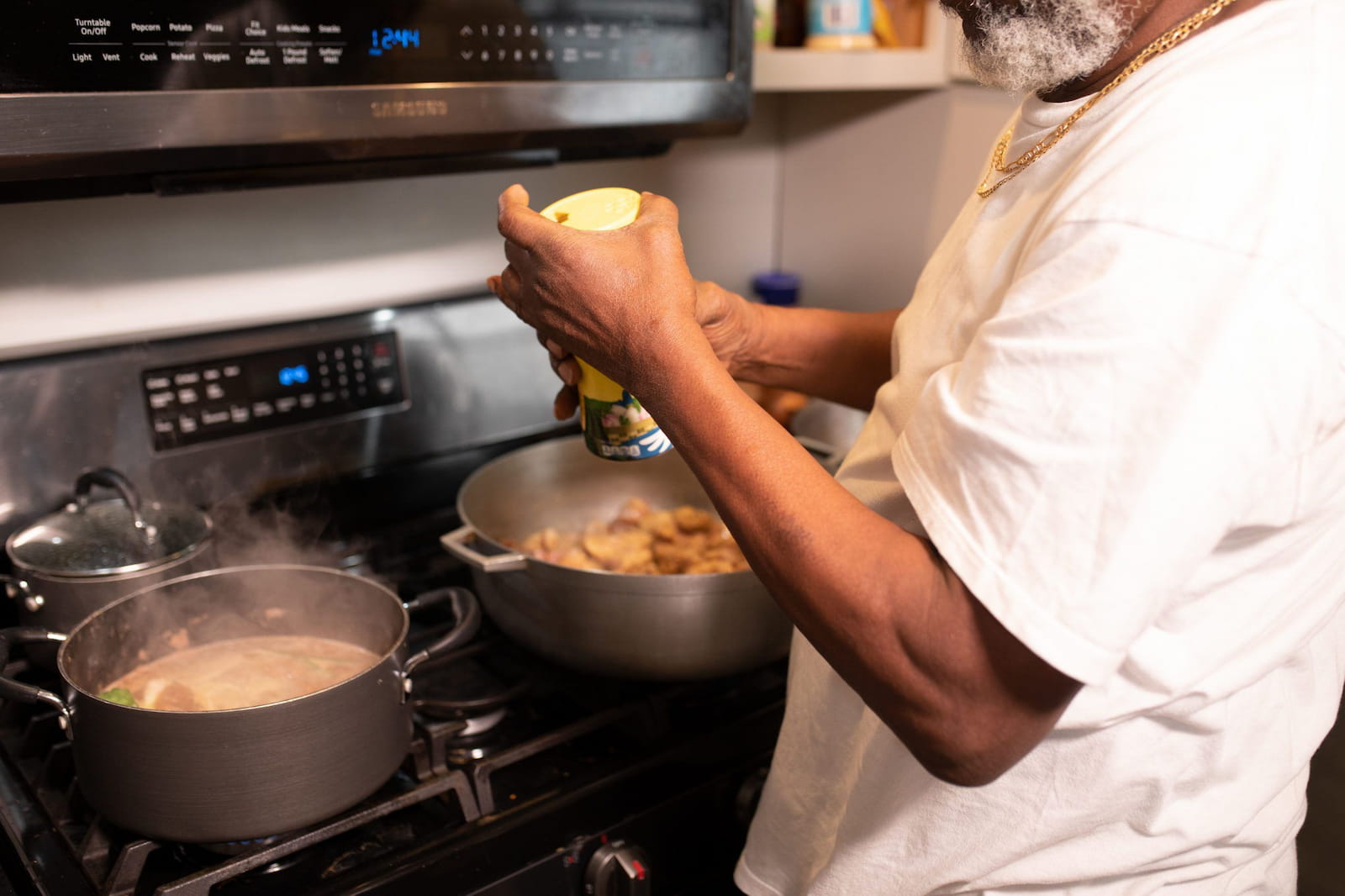
There’s something special about the smell of a big pot of gumbo simmering on the stove, a bowl of homemade chili on a chilly evening, or a pot of collard greens cooking while the family gathers in the kitchen. As temperatures drop, comfort foods return to the dinner table. For many Black families, these meals are more than just food. They’re part of family traditions, holiday gatherings, Sunday dinners, and recipes passed down through generations. But if you’re trying to manage your blood pressure, lower your cholesterol, or protect your heart, you might wonder whether your favorite fall dishes still fit into your eating habits. The good news? You don’t have to give up the foods you grew up loving to make healthier choices.
According to the American Heart Association, eating more vegetables, whole grains, and nutrient-rich foods while limiting sodium and saturated fat can support cardiovascular health. With a few simple changes, you can keep the rich flavors and comforting traditions that make these meals special. Here are seven easy ways to make your favorite fall dishes a little more heart-friendly without changing them enough that your family won’t recognize them.
A good gumbo, chicken soup, or hearty stew often begins with a flavorful broth. Unfortunately, some store-bought broths and stocks contain more sodium than you might expect. And when you add sausage, seasoned meats, canned vegetables, or additional salt, the sodium can add up quickly. Too much sodium can raise blood pressure, increasing the risk of heart disease and stroke. The American Heart Association recommends limiting sodium to no more than 2,300 milligrams daily, with an ideal goal of 1,500 milligrams for most adults, especially those with high blood pressure.
Instead of reaching for regular chicken or beef broth, look for varieties labeled “low sodium” or “no salt added.” You can also make homemade stock using chicken bones, onions, celery, carrots, garlic, and herbs. Simmer everything, strain the liquid, and use it as the base for your favorite soups and stews. For additional inspiration, The Advocate’s guide to building a nourishing bowl of soup offers ideas for combining satisfying ingredients during soup season. The key is building flavor from the beginning rather than depending on salt to make everything taste good.
Collard greens, mustard greens, and turnip greens are staples in many Black households. Traditionally, some families season their greens with smoked ham hocks, bacon, salt pork, or smoked turkey. These ingredients add rich, smoky flavor, but some processed meats also contain significant amounts of sodium and saturated fat. You don’t have to abandon the taste you love. Instead, experiment with different ways to create that familiar depth of flavor. Try cooking your greens with sautéed onions, fresh garlic, smoked paprika, crushed red pepper, and a splash of apple cider vinegar.
A little liquid smoke can also add smoky flavor without needing large amounts of processed meat. Choose a product without added sodium and use it sparingly. If you prefer meat in your greens, consider a smaller amount of smoked turkey or another lean protein, and check the sodium content before adding extra salt. The CDC explains that reducing sodium can help support healthier blood pressure levels. Don’t forget that greens are packed with nutrients, including fiber, vitamins, and minerals. The goal isn’t to change what makes your greens special. It’s to find a balance that lets the vegetables shine.
RELATED: 5 Sweet Potato Pie Recipes You’ll Love This Fall
One of the easiest ways to make a comforting fall meal more filling and nutritious is to add more plant-based ingredients. Beans, lentils, and vegetables provide fiber and other nutrients that support heart health. Fiber can help manage cholesterol, while vegetables add flavor, texture, and nutrients without relying on large amounts of saturated fat. The National Heart, Lung, and Blood Institute’s DASH eating plan encourages vegetables, fruits, beans, whole grains, and other nutrient-rich foods to help manage blood pressure.

Try adding black, kidney, or pinto beans to your chili. For chicken soup, toss in carrots, celery, spinach, or kale. Lentils can make vegetable soups and stews more satisfying. And if you’re making gumbo, don’t overlook the vegetables already associated with the dish. Okra, onions, bell peppers, and celery can add texture, body, and flavor. You can even increase the amount of vegetables while using slightly less meat. These changes help stretch meals further, which can be especially helpful when cooking for a large family or planning leftovers for the week.
A delicious pot of gumbo or chili doesn’t have to depend on large amounts of salt. Some of the best flavors come from ingredients already sitting in your kitchen. Garlic, onions, bell peppers, thyme, bay leaves, cayenne pepper, smoked paprika, and black pepper can add depth to your favorite dishes. For gumbo, start by cooking the traditional combination of onions, celery, and bell peppers, often called the “holy trinity” in Louisiana cooking. For chili, try adding cumin, chili powder, oregano, garlic, and smoked paprika. And when preparing greens, a splash of apple cider vinegar or fresh lemon juice can brighten the flavor.
The American Heart Association’s healthier cooking tips encourage cooking at home and using flavorful ingredients to make healthier choices. One simple trick is to taste your food before adding more salt. You may find that a little extra garlic, pepper, or acidity gives the dish exactly what it needs. Be careful with packaged seasoning blends, though. Some Cajun, Creole, chili, and all-purpose seasonings contain significant amounts of sodium. Choose salt-free blends when possible, or create your own mixture. Remember, healthier cooking doesn’t mean bland food. It means letting other ingredients shine.
RELATED: 7 Fall Favorites That BURN Fat
Meat often plays a major role in fall comfort foods. From sausage-filled gumbo to beef chili and chicken stew, protein helps make these meals satisfying. However, some cuts of meat and processed meats contain more saturated fat than others. Eating too much saturated fat can raise LDL, or “bad,” cholesterol, which increases the risk of heart disease. According to the American Heart Association’s cooking recommendations for lowering cholesterol, choosing lean proteins and limiting processed meats can support cardiovascular health.
Try using skinless chicken in your soups and stews, or swap regular ground beef for lean ground turkey in chili. If you love sausage in your gumbo, use less for flavor and add more chicken, seafood, or vegetables. You can also replace some of the meat in your chili with beans or lentils. You don’t have to make these changes all at once. Start by replacing half the ground beef in your usual chili recipe with lean turkey or beans. See how your family likes it, then adjust from there. You might find your favorite dish just as satisfying with a different ingredient mix.
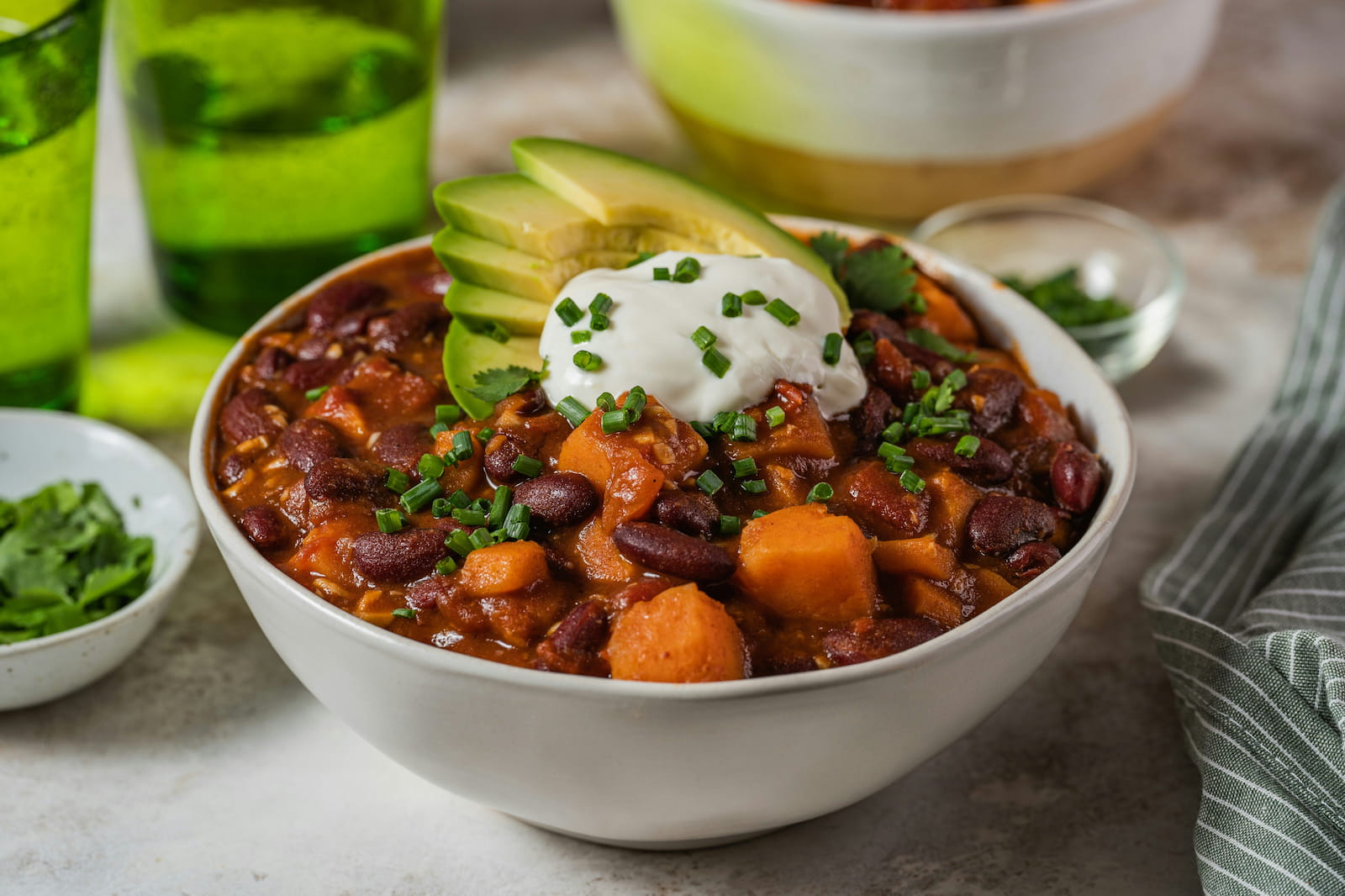
Canned ingredients make cooking easier, especially after a long day. Canned tomatoes, beans, corn, and vegetables can turn a simple pot of chili or soup into a filling meal without hours of preparation. But some canned foods contain added sodium. The American Heart Association explains that canned vegetables and beans can still be healthy choices, especially when you choose lower-sodium options and pay attention to food labels. When shopping, look for products labeled “no salt added” or “low sodium.” Also compare the sodium amounts listed on the Nutrition Facts labels.
Products labeled “reduced sodium” may still contain more salt than you expect. For canned beans, draining and rinsing them under running water can help remove some of the added sodium. Try keeping a few cans of low-sodium kidney beans, black beans, and diced tomatoes in your pantry. That way, when the weather turns cold and you want something warm, you already have the basics for a hearty meal.
One of the best things about gumbo, chili, and soup is that they often taste even better the next day. And when you make a large pot, you can turn one cooking session into several convenient meals. Instead of relying on takeout or packaged meals during busy evenings, freeze individual portions of your homemade favorites. Use freezer-safe containers, label them with the date, and divide large batches into smaller containers so they cool more quickly. According to the USDA’s food safety recommendations, refrigerate cooked leftovers within two hours and use them within three to four days, or freeze them for later.
For best quality, freeze soups and stews within three to four months. When you’re ready to eat, thaw your meal safely in the refrigerator or reheat it directly from frozen until it reaches 165°F. You can also freeze different portions for different needs. For example, prepare family-sized containers for dinner and smaller portions for work lunches. This saves time, reduces food waste, and makes it easier to enjoy homemade meals all week long.
Fall comfort foods bring families together. They’re connected to memories, celebrations, and the familiar flavors that make home feel like home. And protecting your heart doesn’t mean those traditions have to disappear. Whether you’re preparing your grandmother’s greens, your favorite chili recipe, or a big pot of gumbo for Sunday dinner, small ingredient changes can make a difference. Start with lower-sodium broth. Add more vegetables and beans. Experiment with herbs and spices. Choose leaner proteins when possible, and watch the sodium in canned ingredients. You don’t have to change every recipe overnight. Even one or two adjustments can help you move toward a more heart-conscious eating routine.
For Black families managing high blood pressure, cholesterol concerns, or a family history of heart disease, these everyday choices can support long-term health alongside regular medical care. Because eating healthier shouldn’t mean losing the foods that connect you to your family, your culture, and your favorite memories. This fall, keep the gumbo simmering, the greens cooking, and the chili bubbling. Just give those familiar recipes a few heart-friendly upgrades so your family can enjoy the comfort, flavor, and tradition for years to come.


By subscribing, you consent to receive emails from BlackDoctor.com. You may unsubscribe at any time. Privacy Policy & Terms of Service.