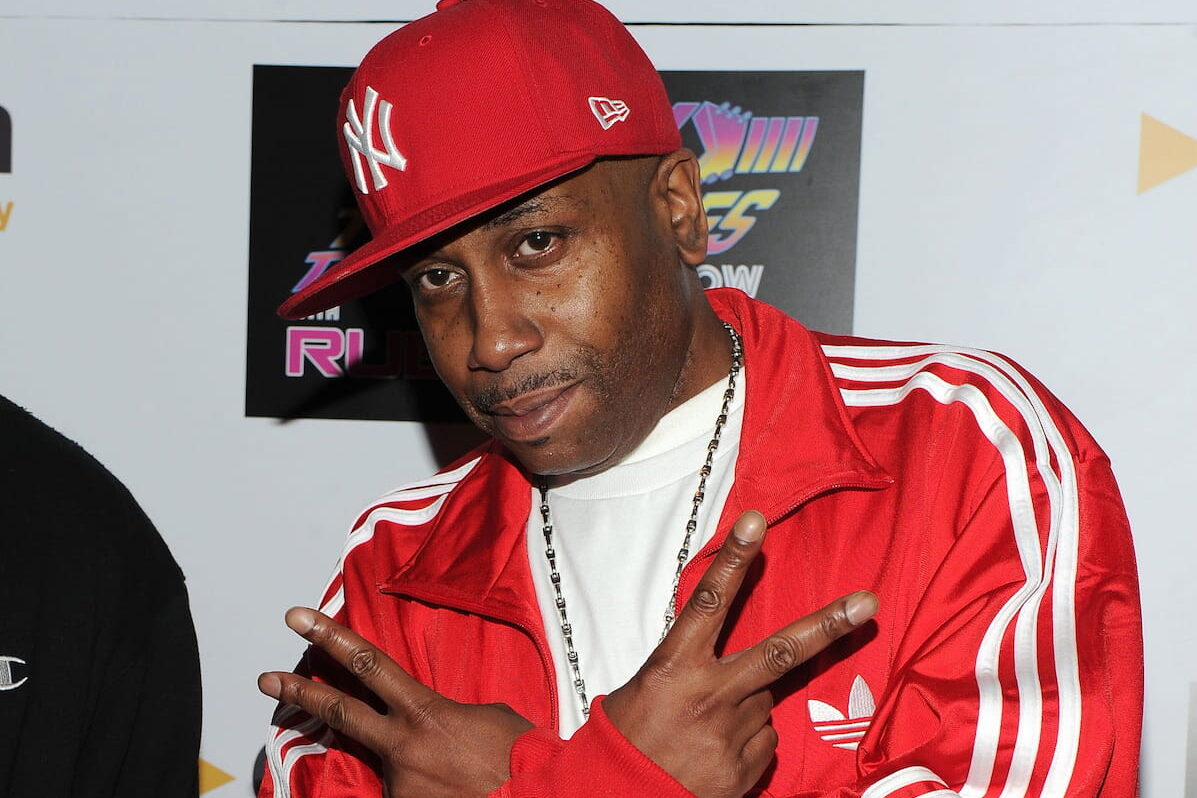
The hip-hop world is mourning the loss of legendary rapper and hip-hop pioneer Rob Base, who passed away at the age of 59 after a private battle with cancer. News of his passing was confirmed through a statement shared on his official social media accounts.
“Today, we share the heartbreaking news that hip hop legend Rob Base passed away peacefully on May 22, 2026, surrounded by family after a private battle with cancer,” the statement read.
“Rob’s music, energy, and legacy helped shape a generation and brought joy to millions around the world. Beyond the stage, he was a loving father, family man, friend, and creative force whose impact will never be forgotten,” it continued. “Thank you for the music, the memories, and the moments that became the soundtrack to our lives.”
Born Robert Ginyard, the Harlem native became one of the most recognizable voices in late-1980s hip-hop as one-half of the groundbreaking duo Rob Base & DJ E-Z Rock. The group helped introduce rap music to mainstream audiences during a time when hip-hop was still fighting for widespread commercial acceptance.
Rob Base’s journey into music began in Harlem, New York, where he met his future musical partner, Rodney “DJ E-Z Rock” Bryce, while they were still children in school. Inspired by the growing hip-hop culture happening at block parties, parks, roller rinks, and local talent shows throughout New York City, the pair began experimenting with music during their teenage years.
Before becoming stars, they performed with local groups and eventually released their first single, “DJ Interview,” in 1986. Their energy, chemistry, and dance-friendly sound quickly attracted attention within the underground rap scene.
But everything changed in 1988 when they released the now-iconic anthem “It Takes Two.”
Built around a memorable sample from Lyn Collins’ “Think (About It)” and driven by an infectious beat, the song exploded onto radio stations, clubs, and dance floors across the country. “It Takes Two” became one of the defining hip-hop songs of the 1980s and is still considered one of the greatest party records ever made.
The song reached the Billboard charts, earned platinum certification, and has since been sampled and referenced by countless artists including Snoop Dogg and The Black Eyed Peas.
Rob Base & DJ E-Z Rock followed up with additional hits including:
Their music blended hip-hop with dance and house influences, helping create a crossover sound that appealed to both rap fans and mainstream audiences.
Over the decades, “It Takes Two” remained a cultural staple, appearing in movies, commercials, sporting events, and party playlists worldwide. The duo’s influence stretched far beyond their era, helping pave the way for hip-hop’s eventual dominance in pop culture.
DJ E-Z Rock died in 2014 from complications related to diabetes, making Rob Base’s passing especially emotional for longtime fans of the duo.
The deaths of hip-hop artists in their 50s have become an increasingly painful trend, leaving many fans asking difficult questions about health, stress, and longevity in the culture. Legends like DMX, who died at 50 following a heart attack linked to substance abuse, and DJ E-Z Rock, who died from complications related to diabetes at 46, are part of a growing list of artists whose lives were cut short far too early.
Others, including Coolio, Biz Markie, Heavy D, and Shock G, also faced serious health issues ranging from heart disease and diabetes to addiction and obesity-related complications.
Health experts say several factors may contribute to the trend. Many artists from hip-hop’s golden era came from environments where access to quality healthcare, healthy food options, and preventive medicine was limited. Years of nonstop touring, lack of sleep, chronic stress, poor diet, smoking, alcohol use, and untreated mental health struggles can also take a major toll on the body over time.
For many Black men specifically, conditions like high blood pressure, diabetes, heart disease, and certain cancers often go undiagnosed or untreated until they become life-threatening. Doctors say regular checkups, better nutrition, exercise, stress management, and early screenings are critical — especially as artists and fans alike enter their 40s and 50s.
As hip-hop continues to mature as a culture, conversations around wellness, mental health, aging, and preventive care are becoming just as important as the music itself.
Although Rob Base’s family did not publicly disclose the specific type of cancer he battled, his death shines another spotlight on the ongoing cancer crisis affecting Black men in America.
Black men face disproportionately high cancer death rates compared to many other racial groups in the United States. According to health experts, Black men are more likely to be diagnosed at later stages of disease, often because of reduced access to healthcare, delayed screenings, distrust in the medical system, and lack of awareness about early symptoms.
Some of the cancers that disproportionately affect Black men include:
Prostate cancer is especially significant, as Black men are more likely to develop aggressive forms of the disease and are more than twice as likely to die from it compared to white men.
While not all cancers are preventable, doctors say there are several important steps Black men can take to lower their risk and improve early detection:
Early detection saves lives. Black men should talk to their doctor about:
Many cancers begin with symptoms people ignore, including:
A diet rich in fruits, vegetables, fiber, and lean proteins may help lower cancer risk. Regular physical activity can also reduce inflammation and improve overall health.
Smoking remains one of the leading causes of cancer deaths. Limiting tobacco and excessive alcohol consumption can significantly reduce risk.
Many men avoid annual checkups until symptoms become severe. Preventive care can help doctors catch warning signs before cancer progresses.
As fans continue to celebrate Rob Base’s legacy and the timeless music he created, many are also reflecting on the importance of health awareness, especially within the Black community. His music brought energy, joy, and unforgettable memories to generations of fans — and his impact on hip-hop culture will continue to live on for decades to come.


By subscribing, you consent to receive emails from BlackDoctor.com. You may unsubscribe at any time. Privacy Policy & Terms of Service.