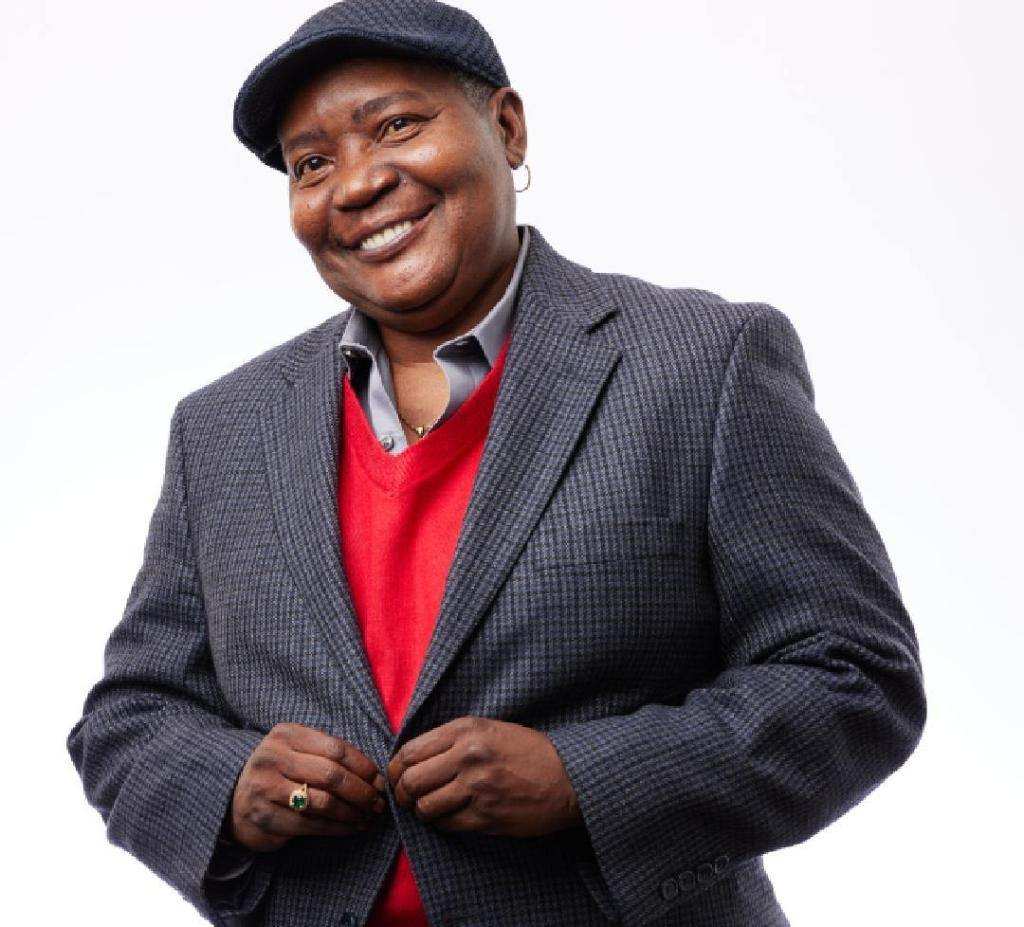
When Lalisha was diagnosed with stage IV small cell lung cancer (SCLC), doctors didn’t offer much hope. The cancer was aggressive. The odds were grim. And yet — they’re here. Alive. In remission. And advocating for others to fight just as hard as they did.
Their story is one of pain, persistence, and one bold decision that changed everything: to seek better answers and push for a treatment no one had offered them before.
That treatment, tarlatamab, was just spotlighted at the 2025 ASCO Annual Meeting. It wasn’t a guarantee. But for Lalisha, it worked. Just months later, a scan showed no evidence of cancer in their body.
Here’s how they got there — and the advice they’re sharing with anyone facing the same fight.
In October 2023, Lalisha was diagnosed with stage IV small-cell lung cancer. The news hit hard. “I went so quickly from limited-stage to extensive-stage,” they tell BlackDoctor.org. “The first thing that went through my mind was, how am I going to survive this?”
Small-cell lung cancer is aggressive and fast-spreading. Lalisha’s cancer continued to advance even after multiple rounds of chemotherapy. The physical toll was intense: bone pain, fatigue, weakness that made it difficult to even get out of bed or dress themself. Emotionally, they were navigating depression, grief, and the terrifying task of coming to terms with their mortality.
But they didn’t stop fighting.
Lalisha didn’t stop at survival. A retired social worker with 30 years of experience, they found renewed purpose in helping others navigate their own battles with cancer. They now facilitate a support group for small-cell lung cancer survivors, speak at conferences, and answer questions from others weighing their treatment options.
“I look at myself as an example of what happens when researchers, medical providers, and scientists focus on truly helping patients live,” they say.
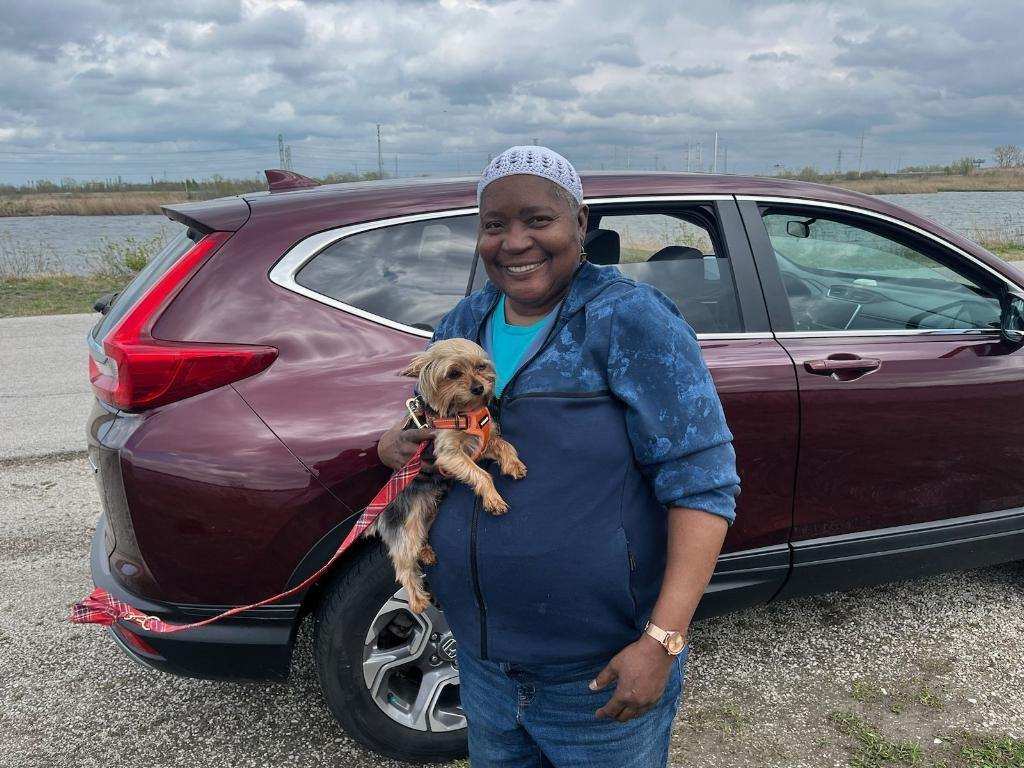
Their story is also a call to action, especially for healthcare providers. “Some doctors become pessimistic and say things like, ‘This is going to take you out.’ That kind of language kills hope. We need providers who treat us like survivors, not statistics,” they add.
Lalisha wants to see better access to lifesaving medications like tarlatamab, especially in small or under-resourced hospitals, and for patients of color who often face disparities in care. Their journey underscores the power of second opinions, patient self-advocacy, and equitable access to innovation.
Today, Lalisha wakes up with joy and gratitude. “There will be storms in my life, but I have learned how to dance in the rain,” they add.
They continue to advocate for a future where no one with small cell lung cancer feels overlooked or defeated — where treatment isn’t just about survival, but about reclaiming life.
Their message is simple, but powerful:
“You are the chief navigator of your care. Speak up. Ask questions. Get the second opinion. It’s your life — and you are in charge,” they conclude.
When treatment at their initial care facility failed to provide the clarity or results they needed, Lalisha took matters into their own hands. Their decision to drive themselves to the Mayo Clinic stemmed from a deep-seated mistrust rooted in personal history; their mother had died at 39 due to inadequate healthcare. Additionally, unclear and inconsistent communication from their physician prompted them to seek a second opinion.
Upon arriving at Mayo, they were immediately informed that surgery needed to be performed swiftly and learned that their initial physician had unnecessarily delayed treatment for three months after suspecting a pre-cancerous nodule. A biopsy and left lower lung lobectomy at the Mayo Clinic revealed that the nodules were not pre-cancerous, but cancerous. At that point, Lalisha was diagnosed with limited-stage small cell lung cancer (SCLC).
Lalisha decided to complete treatment at Northwestern Memorial Hospital in downtown Chicago.
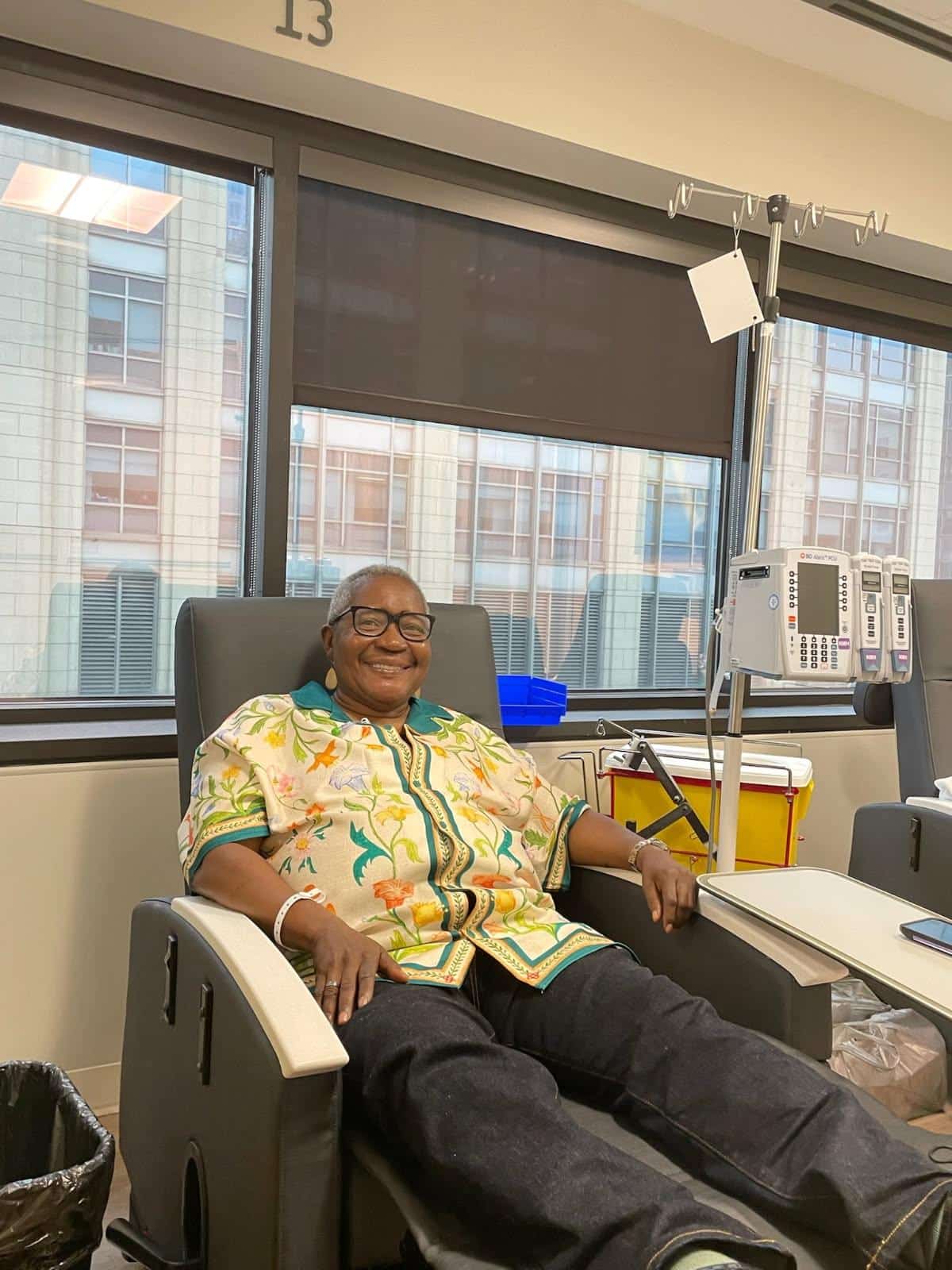
Lalisha’s cancer had spread throughout their entire body. The care team acted quickly. Even before the next scan was completed, they were making arrangements to provide access to tarlatamab, a promising new treatment developed by Amgen. They were hospitalized for their first two doses, experiencing side effects like cytokine release syndrome (CRS), but by the third dose, something changed.
They started to feel better.
Two months later, a PET scan revealed a stunning result: no evidence of active cancer.
“It was the best news I’ve ever received,” Lalisha says. “My mental health improved. My physical health improved. I could walk without fear of falling. I could play basketball again. I had my life back.”
Lalisha didn’t stop at survival. A retired social worker with 30 years of experience, they found renewed purpose in helping others navigate their own battles with cancer. They now facilitate a support group for small-cell lung cancer survivors, speak at conferences, and answer questions from others weighing their treatment options.
“I look at myself as an example of what happens when researchers, medical providers, and scientists focus on truly helping patients live,” they say.
Their story is also a call to action, especially for healthcare providers. “Some doctors become pessimistic and say things like, ‘This is going to take you out.’ That kind of language kills hope. We need providers who treat us like survivors, not statistics,” they add.
Lalisha wants to see better access to lifesaving medications like tarlatamab, especially in small or under-resourced hospitals, and for patients of color who often face disparities in care. Their journey underscores the power of second opinions, patient self-advocacy, and equitable access to innovation.
Today, Lalisha wakes up with joy and gratitude. “There will be storms in my life, but I have learned how to dance in the rain,” they add.
They continue to advocate for a future where no one with small cell lung cancer feels overlooked or defeated — where treatment isn’t just about survival, but about reclaiming life.
Their message is simple, but powerful:
“You are the chief navigator of your care. Speak up. Ask questions. Get the second opinion. It’s your life — and you are in charge,” they conclude.
Whether you’re newly diagnosed or deep in treatment, here are some of Lalisha’s takeaways that may help:
If something doesn’t feel right, get another perspective. Your life is worth the extra effort.
You are the leader of your care team. If a treatment plan doesn’t sit well with you, say something. Don’t stay silent.
Even with aggressive cancers like small cell, progress is being made. New drugs like tarlatamab are emerging — stay informed and open to clinical trials or experimental options.
Surround yourself with people who will support and advocate with you: caregivers, family, friends, other patients, or support groups.
Grief, fear, and depression are real. Don’t go through it alone — talk to a counselor or palliative care team about emotional support.
If you’re from a marginalized background, know that disparities in care exist, and push harder. Don’t let the system overlook you.
Whether it’s walking down the hall or getting back on the basketball court, small wins are huge. Embrace joy where you can.

By subscribing, you consent to receive emails from BlackDoctor.com. You may unsubscribe at any time. Privacy Policy & Terms of Service.