Urine color or condition can tell your body’s health story. It indicates your body’s extremely important hydration levels and shows health conditions at all stages. Here’s what the different colors are trying to tell you and when to call in the experts.
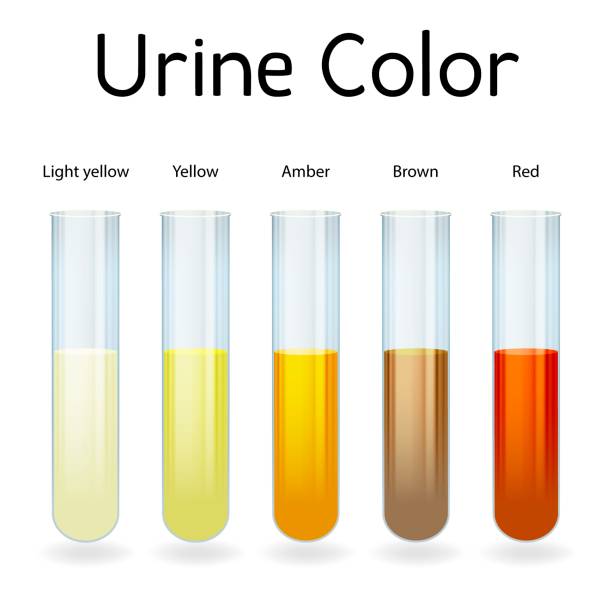
Healthy urine is pale yellow to golden colored. If this is the color of your urine most of the time, be glad and keep up the good hydration work. You are sufficiently hydrated. You are drinking enough water and have consumed enough fluids.
This pale yellow to amber shade of urine is the target color. If your pee is too pale, like being clear, you may be drinking too much water, however. All urine has a story to tell and if clear pee is part of yours and you’re not drinking excessive amounts of water, seek out a doctor. It could have something to do with your kidneys or diabetes.
RELATED: What Does Your Urine Color Really Mean for Your Health?
Darker amber or honey-colored urine sends a stronger message. You are not drinking enough water and are getting dehydrated or are already partially dehydrated. To make sure you get the strongly suggested 64 ounces of water or fluid your body needs to function well, be strategic: one glass of eight ounces of water in the morning when you get up; one glass of water before and after each meal, three times a day; and one around bedtime.
Staying hydrated can be a challenge in the heat and during the cold. In the heat while outdoors you are sweating more, but in a colder climate or season, you spend more time indoors and staying hydrated is not as much of a pressing concern or even an easily detectable need until it’s too late. Make hydration a priority whether indoors or out and treat it as an equally important concern in every season no matter what the temperature.
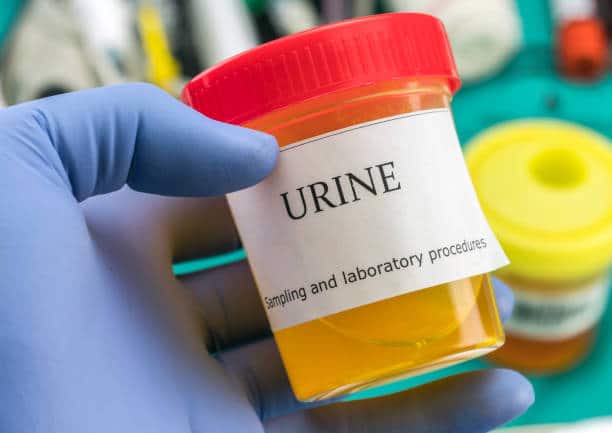
Syrup- or brown ale-colored urine is a message with a megaphone. So, drink up (ASAP), buttercup. You need more fluids now! If you have been drinking water and taking in fluids as you should do for rehydration, your urine should lighten up to the ideal pale yellow color standard. But if the color doesn’t lighten despite your rehydration efforts, and you still have brown pee, it could mean the presence of bile in your urine and indicate liver disease. This is serious and you should seek out your healthcare provider.
With pink- to reddish-colored urine, the explanation could be as simple as that old saying: “You are what you eat”. Beets, rhubarb, and blueberries all have the power to change the color of your pee from healthy pale yellow to shocking pink. But if your recent diet is void of these foods, and it isn’t a case of being what you ate, it could mean something more worrisome. There may be blood in your urine. You could have kidney disease, kidney stones, or a urinary tract infection (UTI). Alternatively, you may have kidney or bladder cancer or even prostate problems. Lastly, the pink- to reddish-colored pee could also show lead or mercury poisoning. See a doctor ASAP to rule out these potential conditions if pink- to reddish-colored pee does not return to a healthy pale yellow hue.
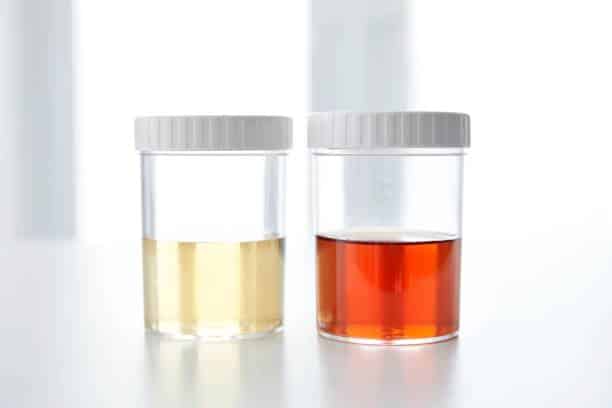
Orange is not the new pale yellow where urine color is concerned. Once again dehydration may be the culprit responsible for orange pee. There are several other possibilities for the orange color like a liver or bile duct condition, food dye, or certain medications. Try drinking more water and fluids to rehydrate and get back to that paler shade of gold that means your pee is in the healthy zone, and, therefore, so are you. If you don’t see a change from orange to pale yellow, don’t stop living your life like it’s golden quite yet. Instead of concentrating on all the negative things it potentially could be, call your doctor, go pee in the cup, and count on your healthcare provider to help you figure out what it is.
RELATED: I See Blood in My Urine, Could It Be Bladder Cancer?
Odd blue- or green-colored urine points back to food dyes consumed or meds taken as the cause. Barring some rare disease or bacterial infection of the urinary tract, time and water/fluids are the best keys to solving the clues to this mystery. Again, contact your healthcare provider if the color does not return to pale yellow.
The good news: dehydration might still be the cause of cloudy urine, and you can bounce back to normal after rehydrating enough. The bad news: it’s either a urinary tract infection (UTI) or kidney stones. Hopefully, it’s neither of the latter and you’re back to pale yellow after rehydrating. If not, you know the drill: see your doctor.
RELATED: Foamy Urine: The Symptom That Leads to These Diseases
Foaming or fizzy urine could be the result of peeing hard and strong with a steady stream of pressure from your body as it empties its full bladder into the toilet all at once. It could also mean more protein than normal in your diet and be symptomatic of a kidney problem. If it continues consistently, contact your provider.
Many of these colors of urine are linked to levels of hydration and can be changed. This color connection provides a wealth of information. It shows you how much you can shape your health by staying hydrated with water and/or liquids so you can live your best life for as long as possible.
You may never look at your urine the same way again but look anyway so that you know if you are on target with keeping that pale yellow, healthy urine hue. Incorporate the healthiest habit as far as peeing is concerned and drink more water but not too much. Monitor what your pee looks like throughout the day so that you know when and how it changes. This helps you to detect what is different and be more proactive in making sure you are sufficiently hydrated, thinking back to what you ate, or considering any medications or vitamins you are taking once you notice a change but before you get on a worry loop.
What’s the main takeaway? If for some reason your pee color does not bounce back from the extreme shades with your efforts in rehydration, reach out to your healthcare provider, especially if the change in urine color is accompanied by other significant symptoms.


By subscribing, you consent to receive emails from BlackDoctor.com. You may unsubscribe at any time. Privacy Policy & Terms of Service.